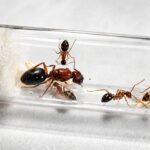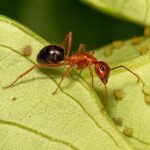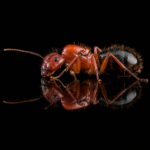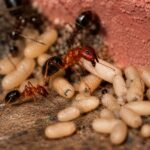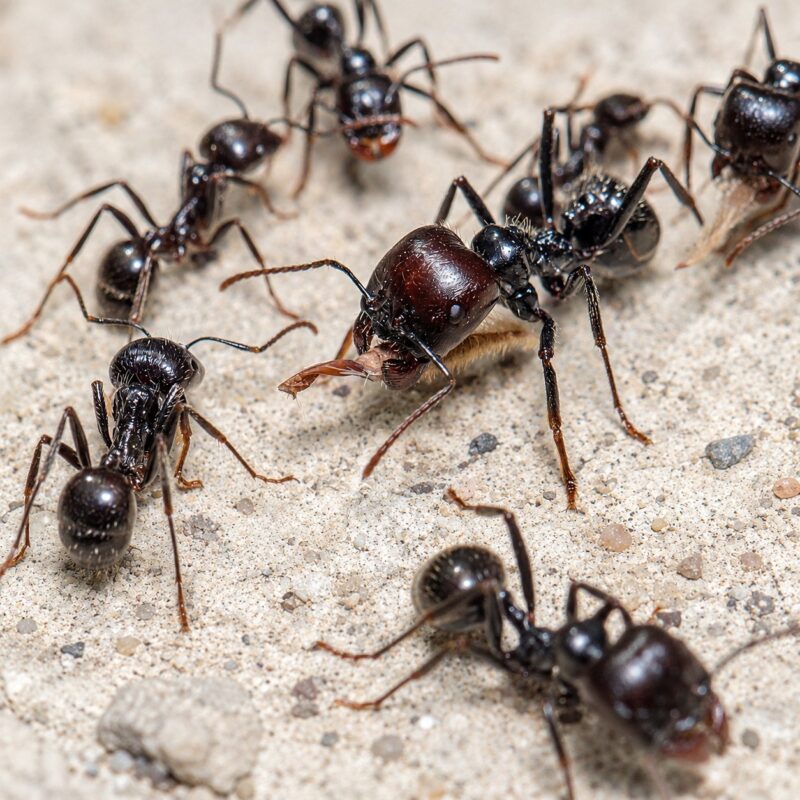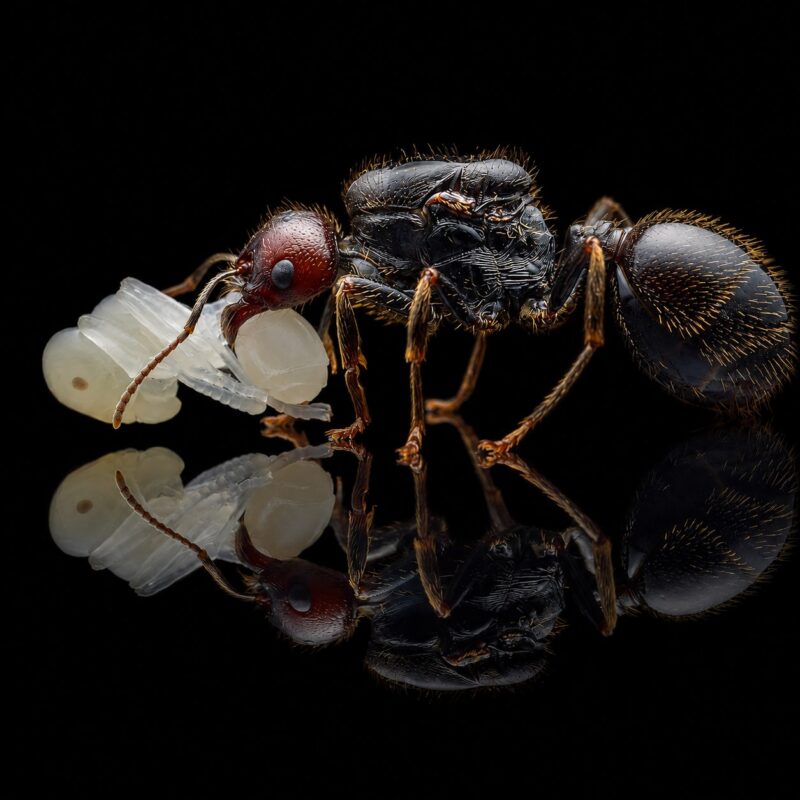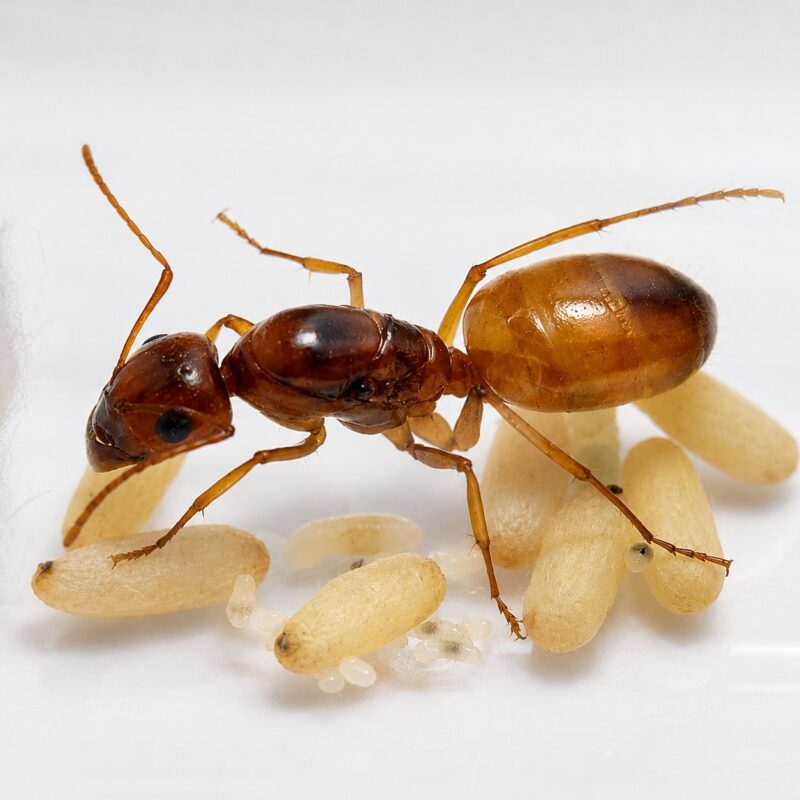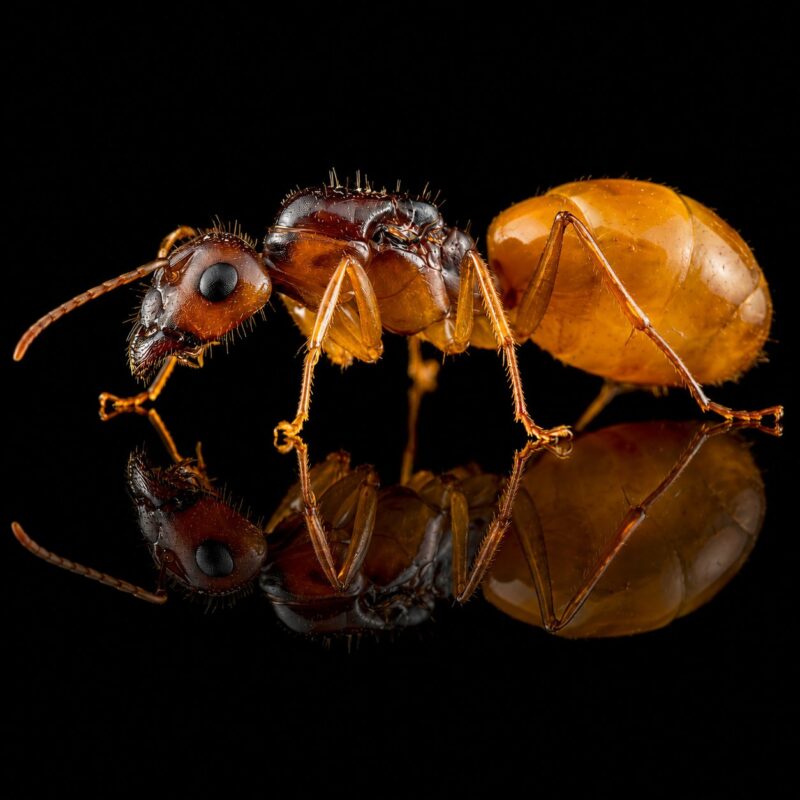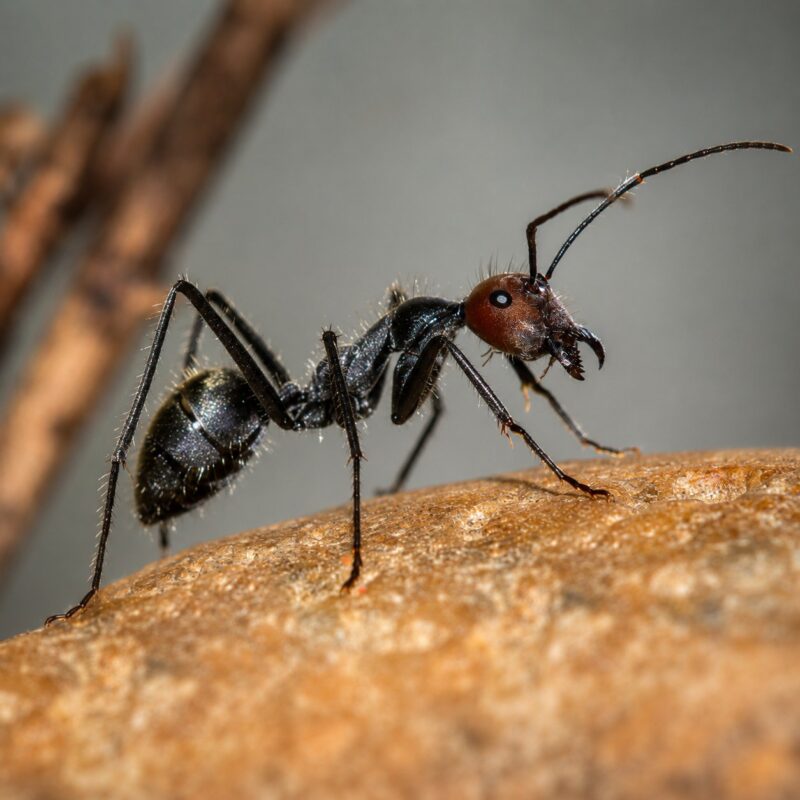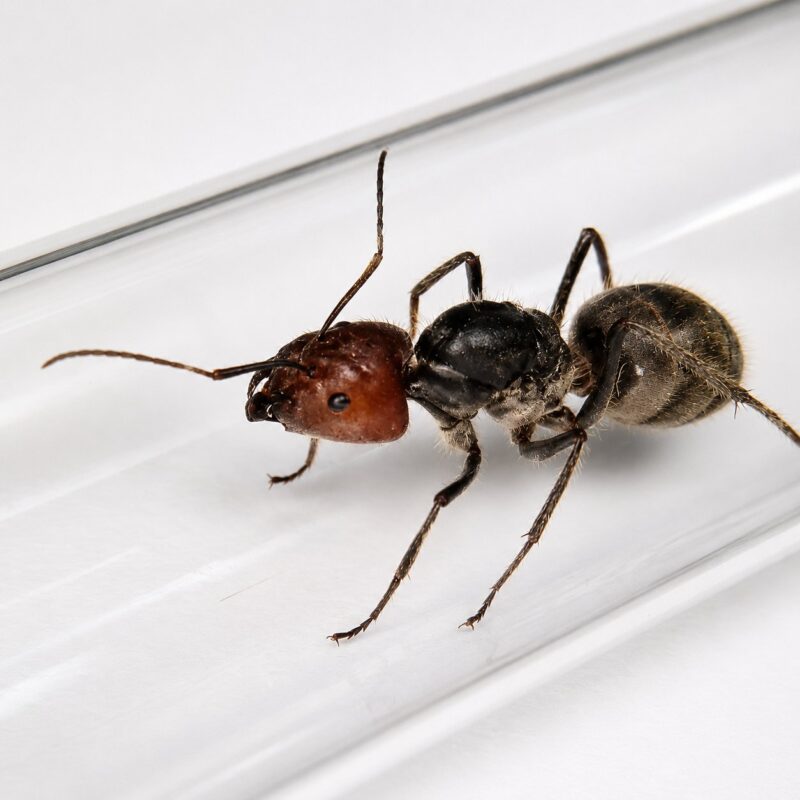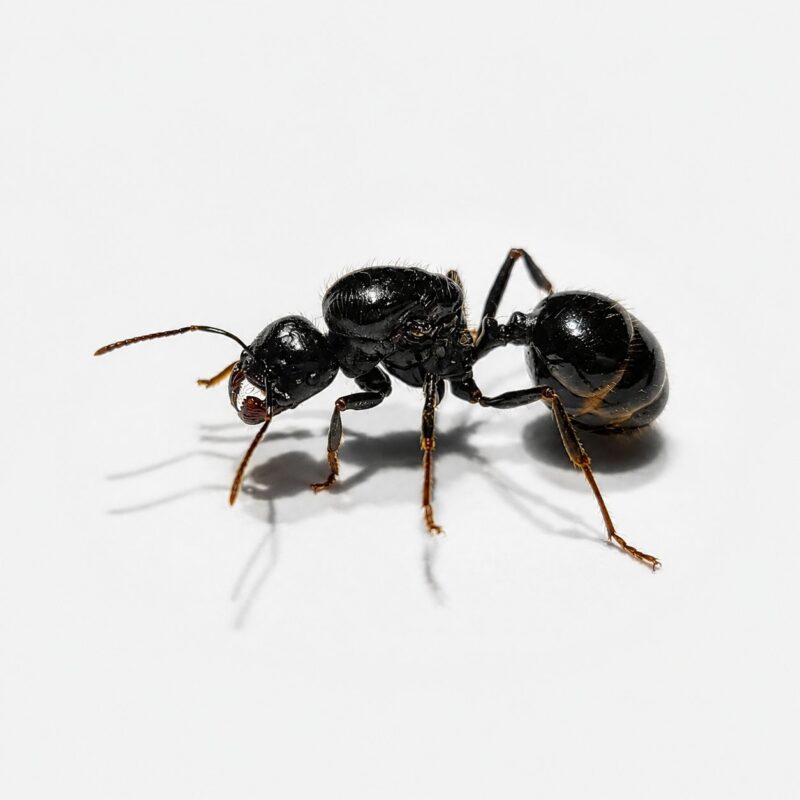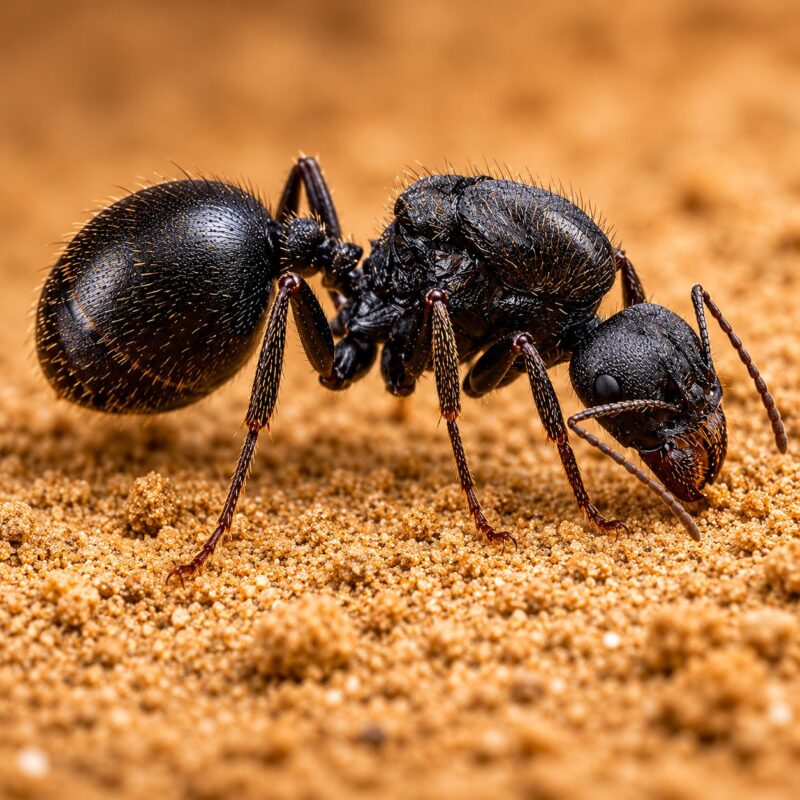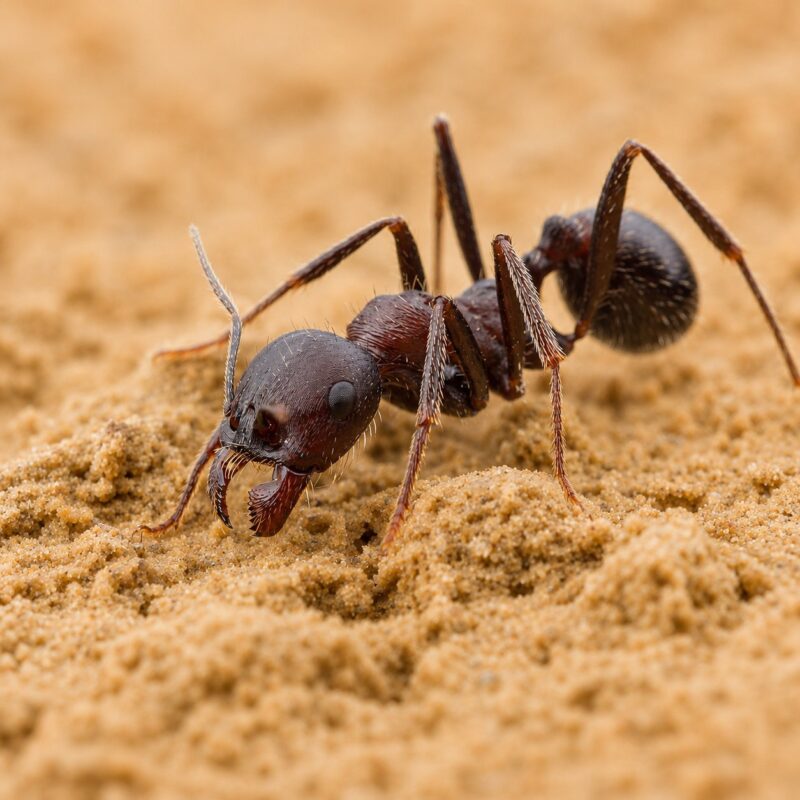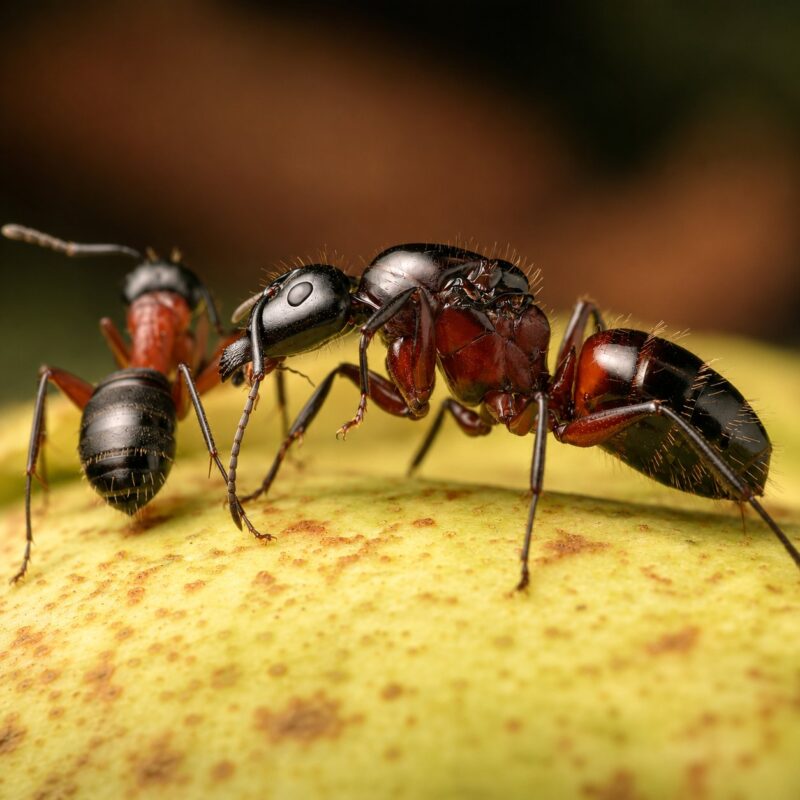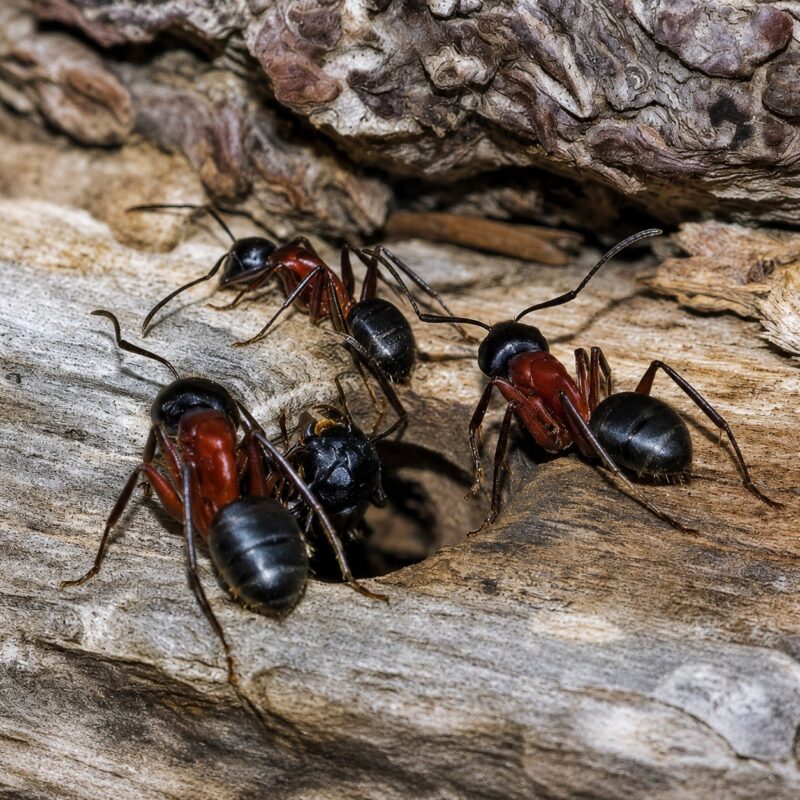

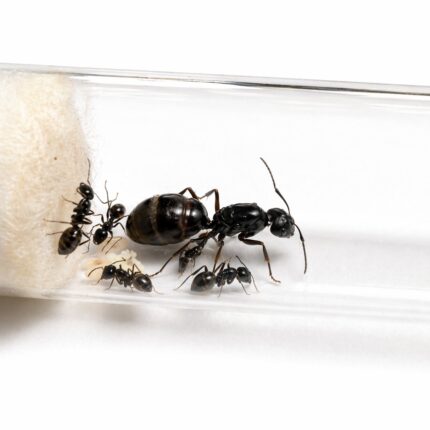
Camponotus flavomarginatus major worker — robust thorax and large heads carpenter ant found around the world, live colony at ANTonTOP
Camponotus flavomarginatus Price range: 229,90 zł through 379,90 zł
Back to products
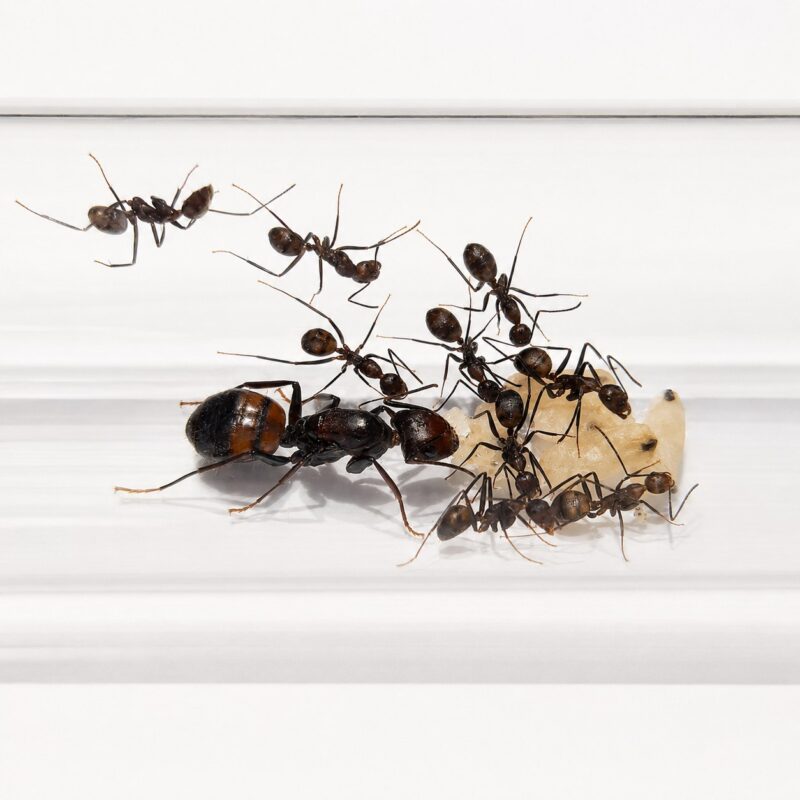
Camponotus foreli major worker — robust thorax and large heads carpenter ant found around the world, live colony at ANTonTOP
Camponotus foreli Price range: 69,90 zł through 249,90 zł

Camponotus floridanus

(8 customer reviews)

Price range: 389,90 zł through 799,90 zł

No hibernation
Ants For Beginners
Add 500,00  to cart and get free shipping!
Arrives alive and ready to lay, or we reship

Live Queen Guarantee

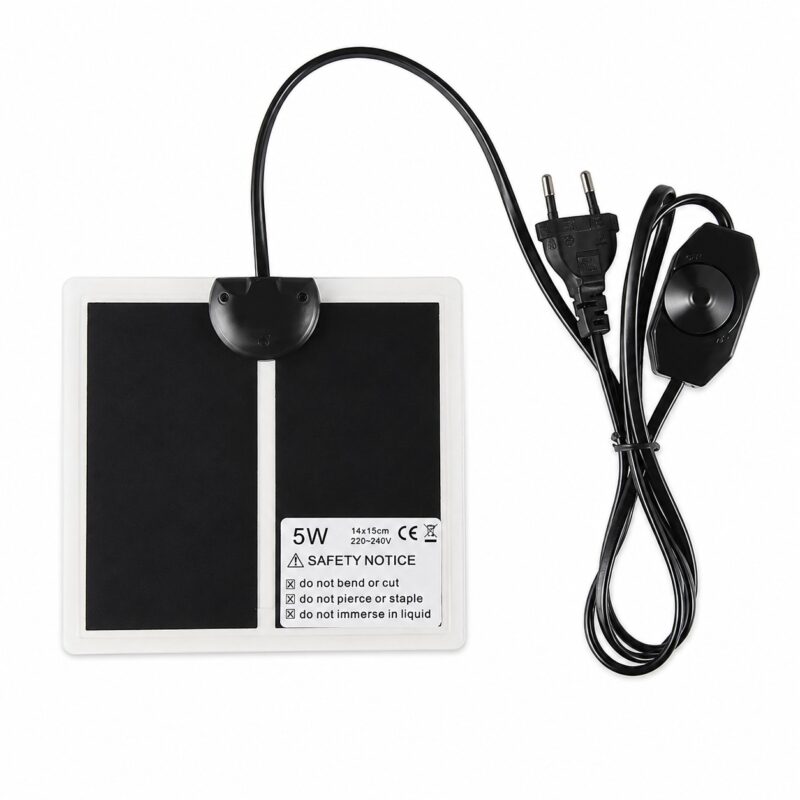
Warm in winter, insulated against summer heat

Heat Pack & Summer Cooling

Ready to grow from day one

Fertilised Queen in Every Colony

Packed fast, dispatched with tracking

Ships Within 24 h

Setup and feeding tips for your species

Free Care Guide

Fast answers from real ant keepers

24/7 Expert Support
Description

Camponotus floridanus – Florida Carpenter Ant. Captive-bred founding colony (queen + workers + brood), a red-and-black giant and one of Florida’s fastest-growing carpenter ants – buy live, fertility guaranteed.

Ships within 24 h. Live arrival & 24 h unboxing-video guarantee.
DHL across the EU · InPost (PL) · EMS worldwide · we ship the EU & worldwide.
Free shipping across Europe over 1299 zł.

Quick facts: Beginner-friendly · Queen 14-20 mm / Worker 4-9 mm / Major 8-13 mm · Colony up to 10,000+ · No hibernation · Omnivore · North America · No sting

Additional information

Behavior

Keeping difficulty

Origin

Ant size

Hibernation

Sting

No sting

Description

Camponotus floridanus – Florida Carpenter Ant

Common name Florida Carpenter Ant
Origin Southeastern USA (Florida to North Carolina, west to Mississippi)
Colony form Monogyne (single queen)
Colony size Up to ~10,000+ workers (about 1,000 in the first year)
Queen 14-20 mm
Worker 4-9 mm
Soldier (major) 8-13 mm
Polymorphism Strongly polymorphic (minor / media / major)
Founding Fully claustral
Egg to first worker ~5-9 weeks at 24-30 °C
Queen lifespan ~10-15 years
Nuptial flight Warm season, ~mid-April to late August
Temperature Nest 24-28 °C / Arena 26-32 °C
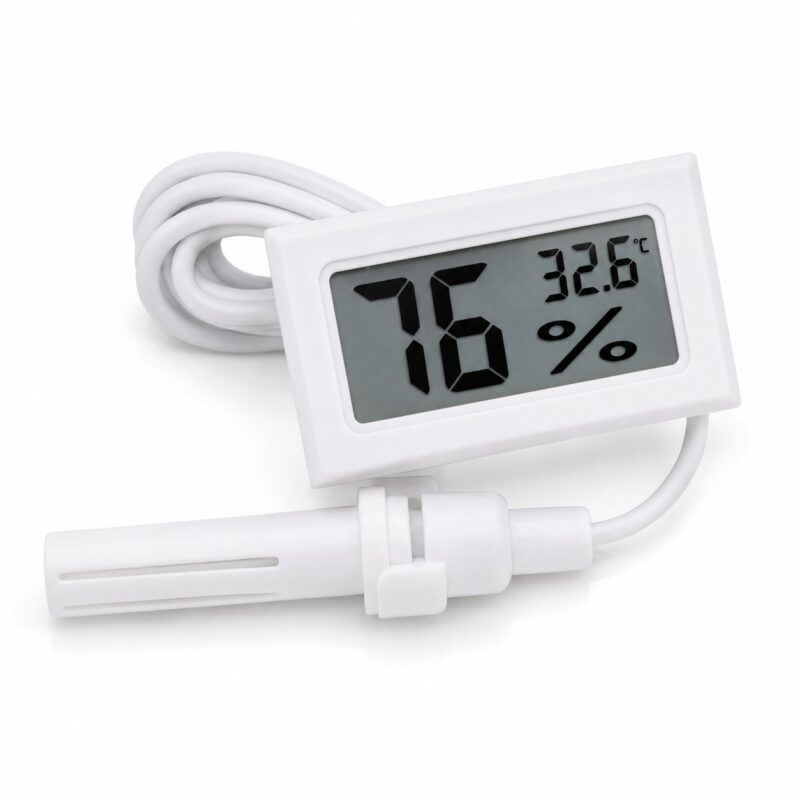
Humidity Nest 60-75% / Arena 40-60%
Hibernation No hibernation (subtropical, active year-round)
Diet Omnivore (carbohydrates + protein)
Activity Mostly nocturnal
Stings or bites No sting (bites and sprays formic acid)
Climber / barrier Strong climber – use fluon (PTFE), oil, or talc + water
Difficulty Beginner

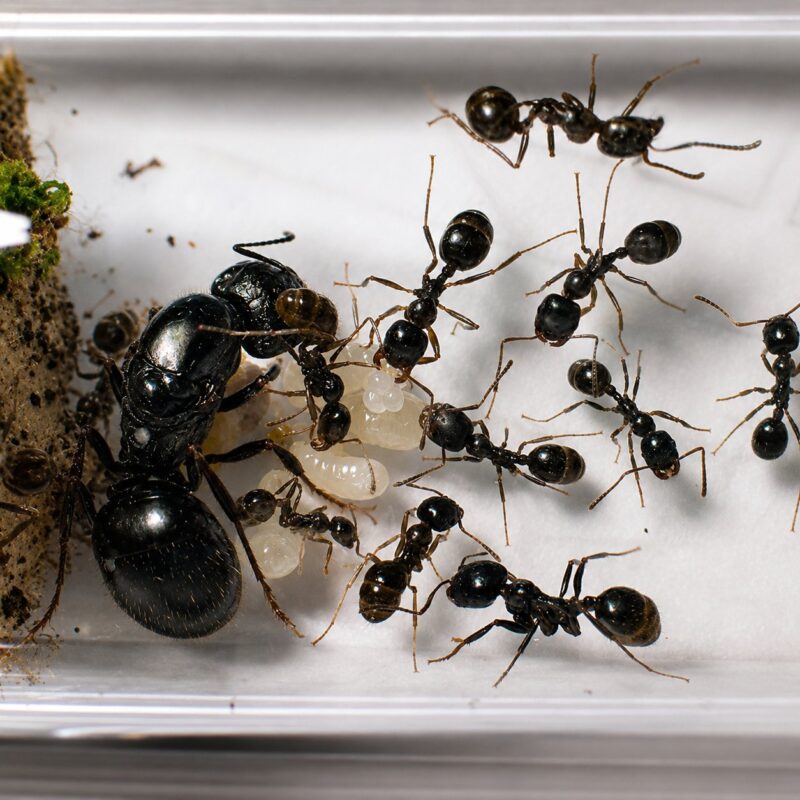
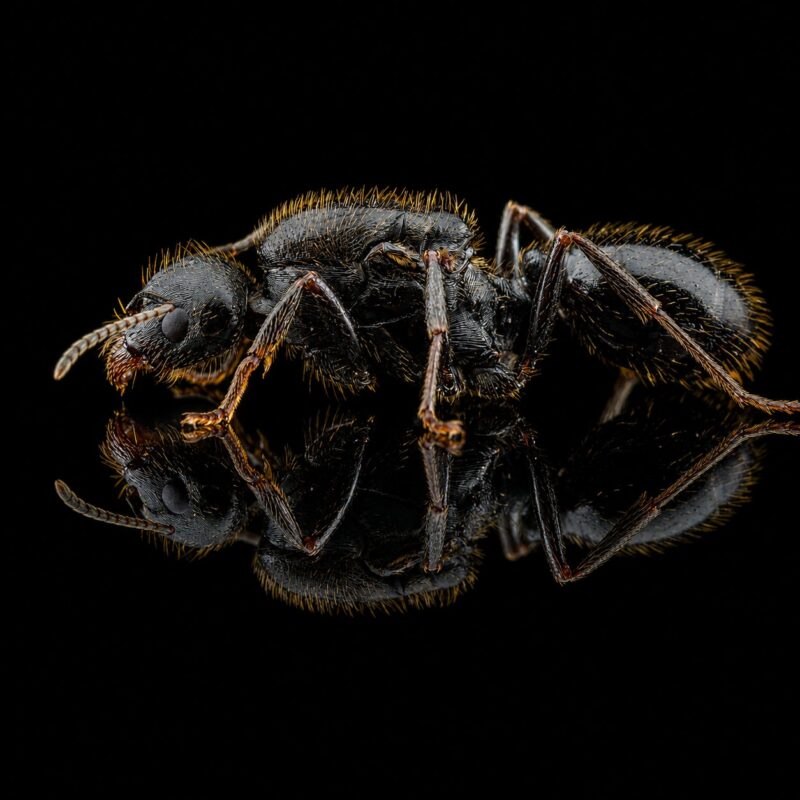
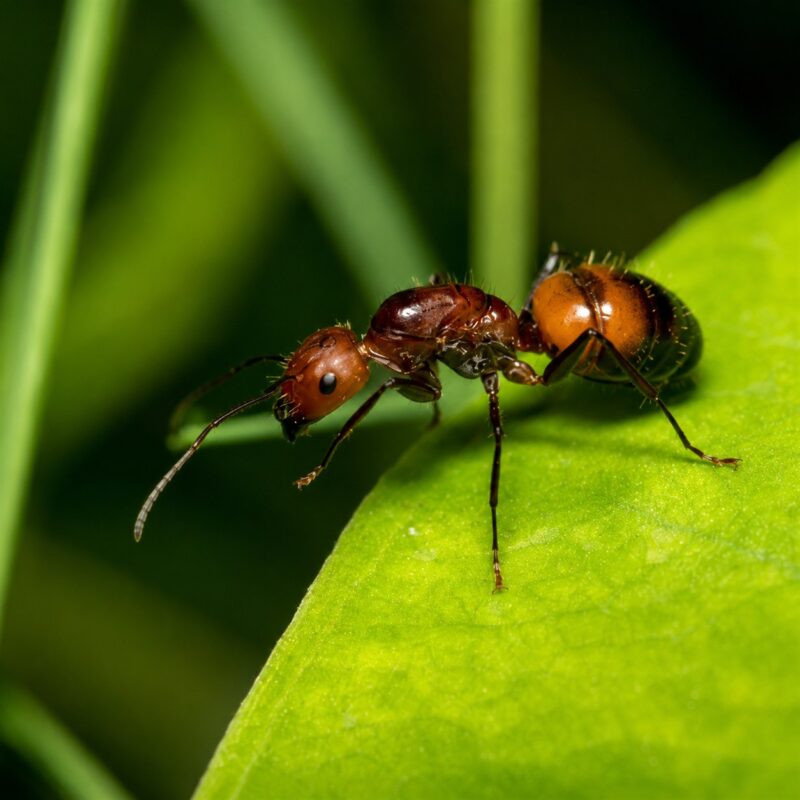
Camponotus floridanus is a fast-growing, warmth-loving carpenter ant from the southeastern USA, easy to spot by its red-and-black colouring. The queen founds on her own, the colony needs no hibernation, and it stays active all year – a large, rewarding species that still suits beginners.


Why this species

In 2010 Camponotus floridanus became one of the first two ant species ever to have its genome sequenced, and it is now a model organism for the genetics of caste and behaviour. For keepers the appeal is immediate – a reddish-orange head and legs against a jet-black gaster, big polymorphic workers up to 13 mm, and a colony that pushes past 8,000 workers in two to three years. The fully claustral queen founds without help and no winter cooling is needed, so the colony stays active year-round.


Feeding

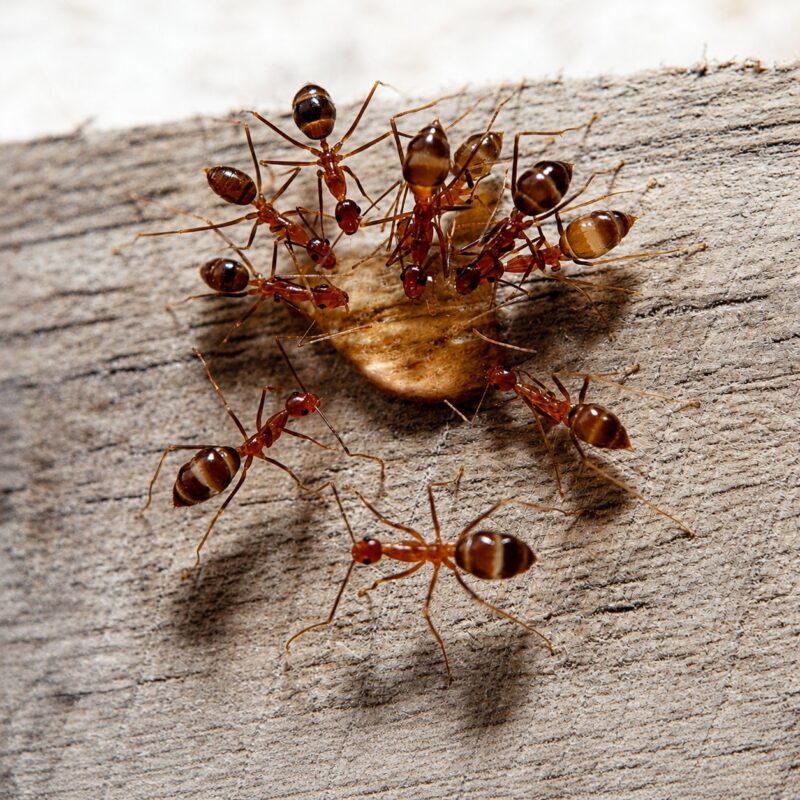
An omnivore with a sweet tooth. Keep a carbohydrate source available at all times and add protein two to three times a week to drive brood growth.

Food Acceptance
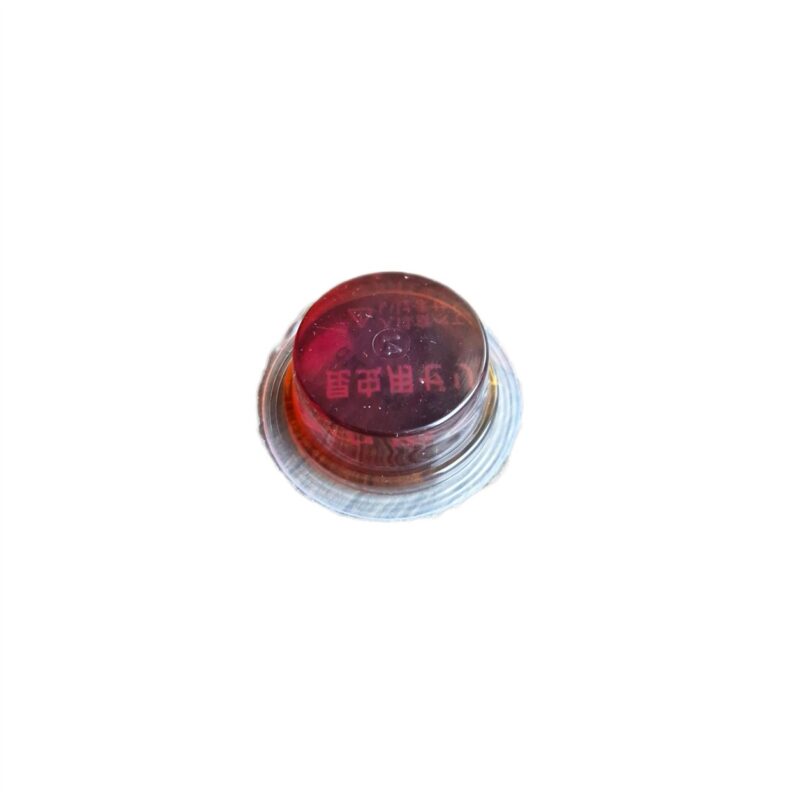
Sugar water / honey water ★★★
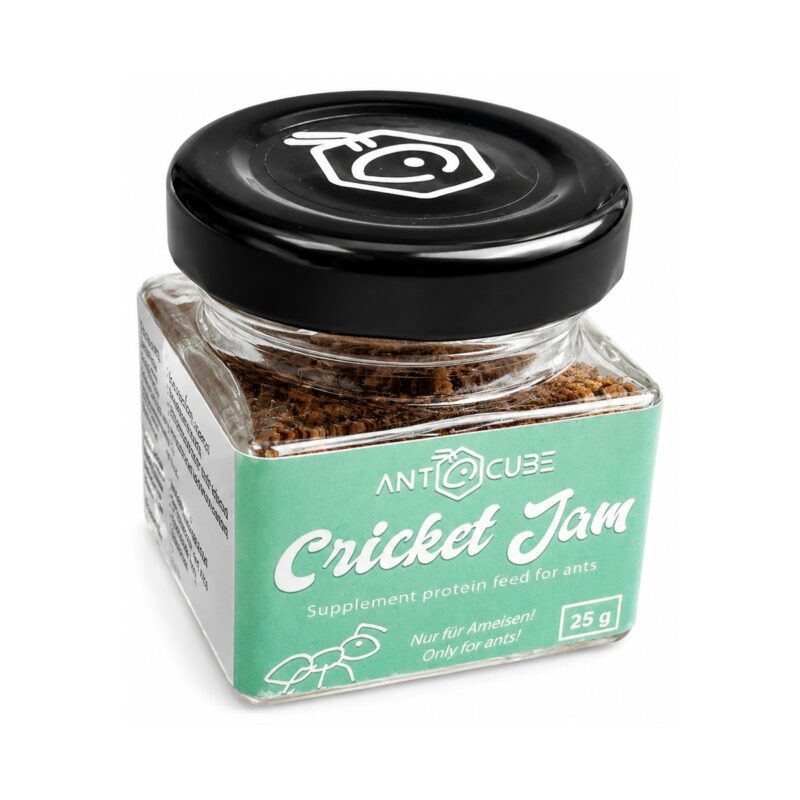
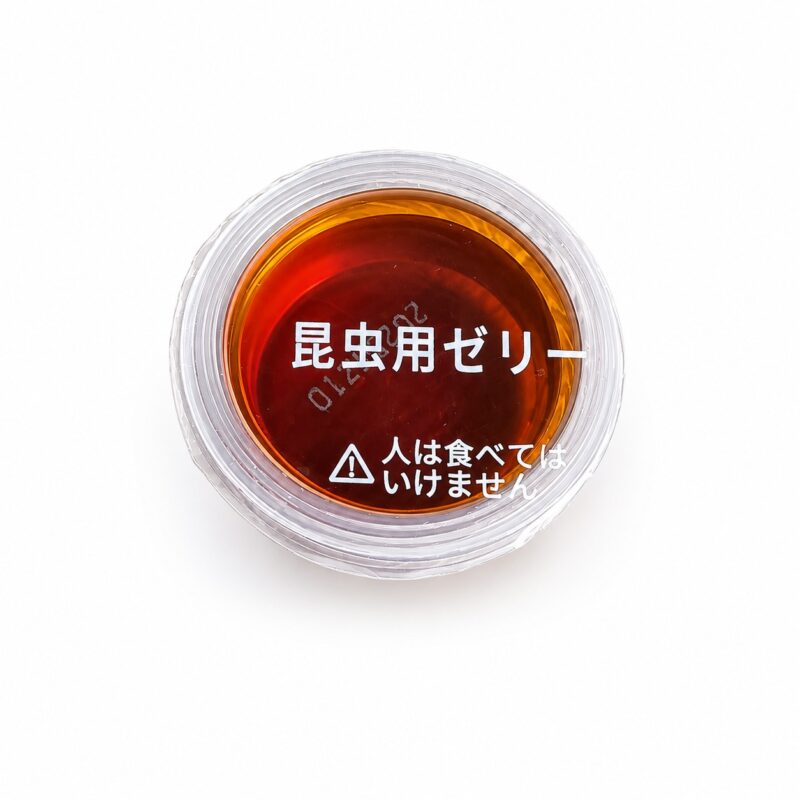
Ant nectar / protein jelly ★★★
Crickets (fresh or thawed) ★★★
Fruit flies ★★
Mealworms ★★
Boiled egg yolk ★★
Soft fruit
Seeds (hard or soft)

★★★ readily · ★★ moderately · ★ occasionally · ✗ not eaten.


Housing & formicarium

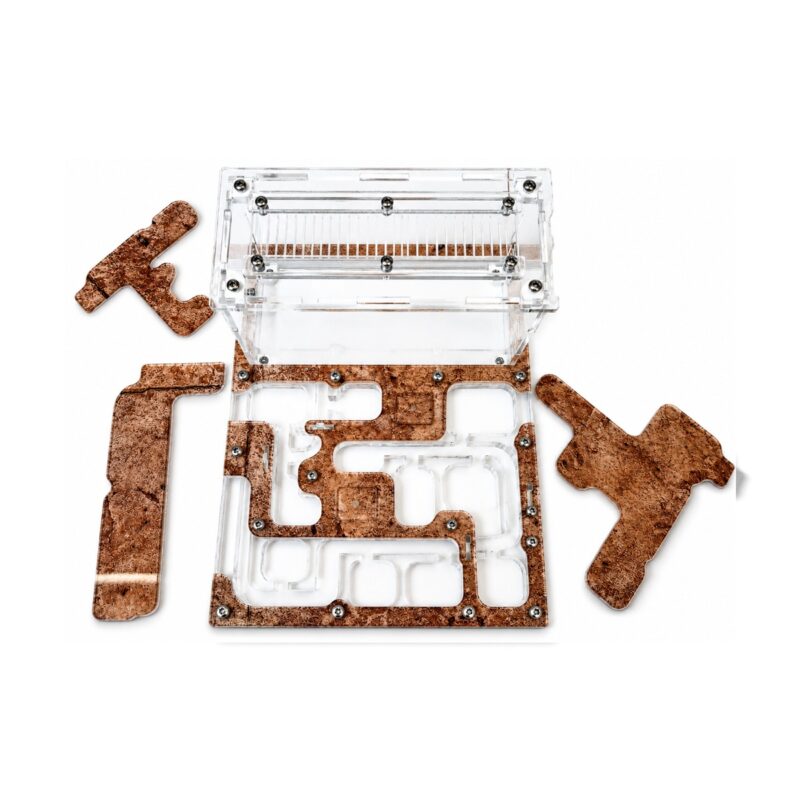
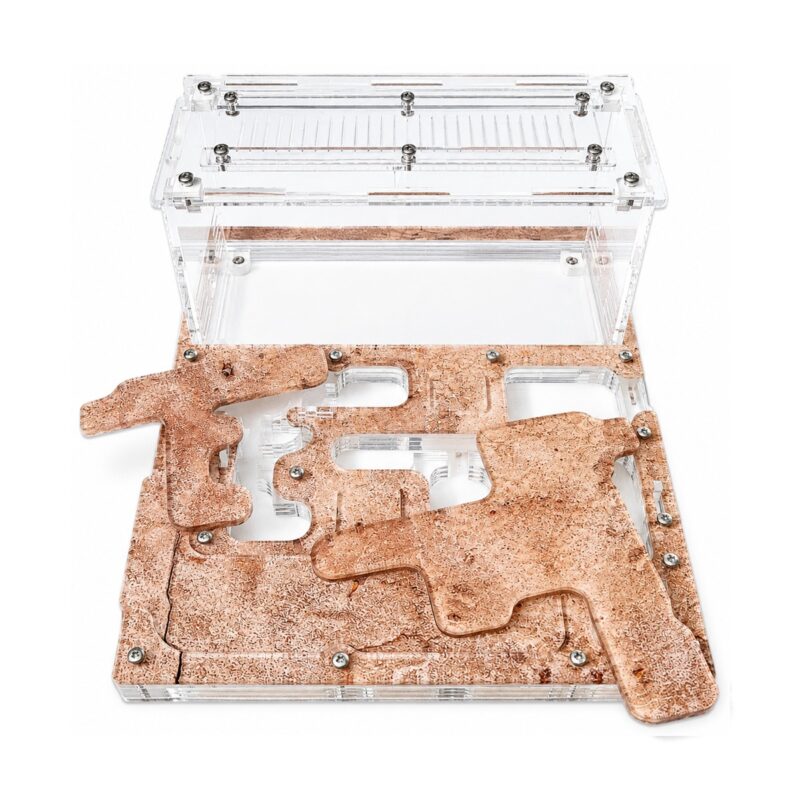
A founding queen ships in a test-tube setup; leave her there until the first nanitics mature, then move the colony into a small formicarium with an attached outworld. In the wild it nests in damp or decayed wood, so a nest that holds some moisture suits it – aerated concrete (Ytong), 3D-printed, or acrylic all work. These are strong climbers, so line the arena rim with fluon (PTFE), oil, or talc and water.


Temperature, humidity & wintering

Keep the nest around 24-28 °C and the arena a touch warmer at 26-32 °C, with a gradient so the ants self-regulate. Nest humidity 60-75% (higher than many carpenter ants, as it is subtropical), arena 40-60%. No hibernation is required: as a subtropical Florida species it stays active year-round, with at most a slight winter slowdown and no cooling period.


Growth and what you receive

One of the faster-growing eastern-US carpenter ants. With steady warmth and regular protein, expect rapid early build-up.

Stage Approx. workers
Year 1 ~1,000
Year 2-3 8,000+ (toward 10,000+ at maturity)

You receive a captive-bred, fertilised queen, her first workers, and brood (eggs, larvae and/or pupae), packed in a secure tube with a heat or cool pack to suit the season and dispatched within 24 h with tracking.


Did you know?

  • Described by Buckley in 1866 as Formica floridana; moved to Camponotus by Gustav Mayr in 1886 (type locality: Florida).
  • In 2010 it was one of the first two ant species to have its genome sequenced, with Harpegnathos saltator.
  • Injured workers perform wound-dependent leg amputations on nestmates to stop infection – surgical triage otherwise documented only in humans (Frank et al., Current Biology, 2024).
  • Each colony hosts the endosymbiotic bacterium Blochmannia floridanus, which upgrades the ants’ amino-acid nutrition.
  • Predominantly a nocturnal forager; it nests in damp or decayed wood rather than excavating sound timber.

Frequently asked questions

Is Camponotus floridanus good for beginners?
Yes. The queen founds fully claustrally (no feeding needed until the first workers appear), it needs no hibernation, and it tolerates a wide temperature range.

Does it need hibernation?
No. It comes from subtropical Florida and is kept active year-round at about 24-30 °C; a slight winter slowdown can happen but no cold rest is required.

Does it sting?
No functional sting. Large majors can bite hard enough to pierce skin and then spray formic acid into the wound, but there is no venomous sting.

How big does the colony get?
A mature colony exceeds 10,000 workers – about 1,000 in the first year and over 8,000 within two to three years.

How big is the queen?
Roughly 14-20 mm. Workers are strongly polymorphic, from about 4-9 mm minors and media up to 8-13 mm majors.

How fast does it grow?
Fast for a carpenter ant, given steady warmth and regular protein.

What does it eat?
An omnivore – sugars at all times plus insect protein two to three times a week.

What if my ants arrive dead?
Every colony ships with a live-arrival guarantee backed by our 24 h unboxing-video guarantee – if the queen does not arrive alive we reship free.


Keeping & shipping essentials

Escape prevention. Carpenter ants climb well. Coat the inside arena rim with fluon (PTFE), oil, or talc and water, use a smooth or taped lid, and check the barrier regularly. Keep tubing connections tight and seal any gaps.

Do not move a small colony into a large nest too early. A small colony in an oversized first chamber will not settle: you risk mould, mites and parasites, and – worse – death from stress, with workers dying off one by one. Instead, plug the nest entrance with cotton and keep the ants on the arena in an open test tube if the arena is roomy; if the formicarium has doors or shutters to further chambers, do not open them too early. A rule of thumb: the colony can move in without stress once it would fill about 10-15% of the chambers.

Keeping reminders. A water test tube plugged with cotton makes an ideal spare incubator or reservoir. No direct sunlight; hydrate the nest but do not flood it; ventilate; keep disturbance minimal during founding.

What we ship. Live ants with a live-arrival guarantee backed by our 24 h unboxing-video guarantee. Parcels travel with DHL, InPost (PL) and EMS with a heat or cool pack. Free shipping across Europe over 1299 zł; we ship the EU and worldwide. The queen arrives alive or we reship free.

Complete Your Setup
Reviews
5
8 reviews
8
0
0
0
0

8 reviews for Camponotus floridanus

Clear filters
  1. Vitek (verified owner)

    Will see if they really develop very fast

  2. Laura (verified owner)

    Mam Camponotus floridanus i to jedna z moich ulubionych mrówek! Królowa i robotnice są piękne -pomarańczowo-brązowe, a gdy patrzę na arenę to aż chce się obserwować. Z tym formikarium mrówki czują się jak w własnym małym pałacu jest dużo miejsca, dobre wentylacja i dobrze się rozwijają.

  3. Rafał (verified owner)

    fajna mróFka

  4. Diego (verified owner)

    Perfect colony

  5. Gary (verified owner)

    The colony arrived super active and healthy. Zero deaths, fast shipping. Totally worth it

  6. Robert (verified owner)

    Thanks for gift

  7. Marco (verified owner)

    my best ants ever
    very fast delivery
    pancer packing
    and sweety gifts

  8. Dunajscy (verified owner)

    dziękujemy za polecenie tego gatunku
    to był drugi zakup, pierwsza rozwija się niesamowicie i żrą wszystko co im dajemy

Show reviews in all languages (8)

Add a review

Your email address will not be published. Required fields are marked *

Bestsellers