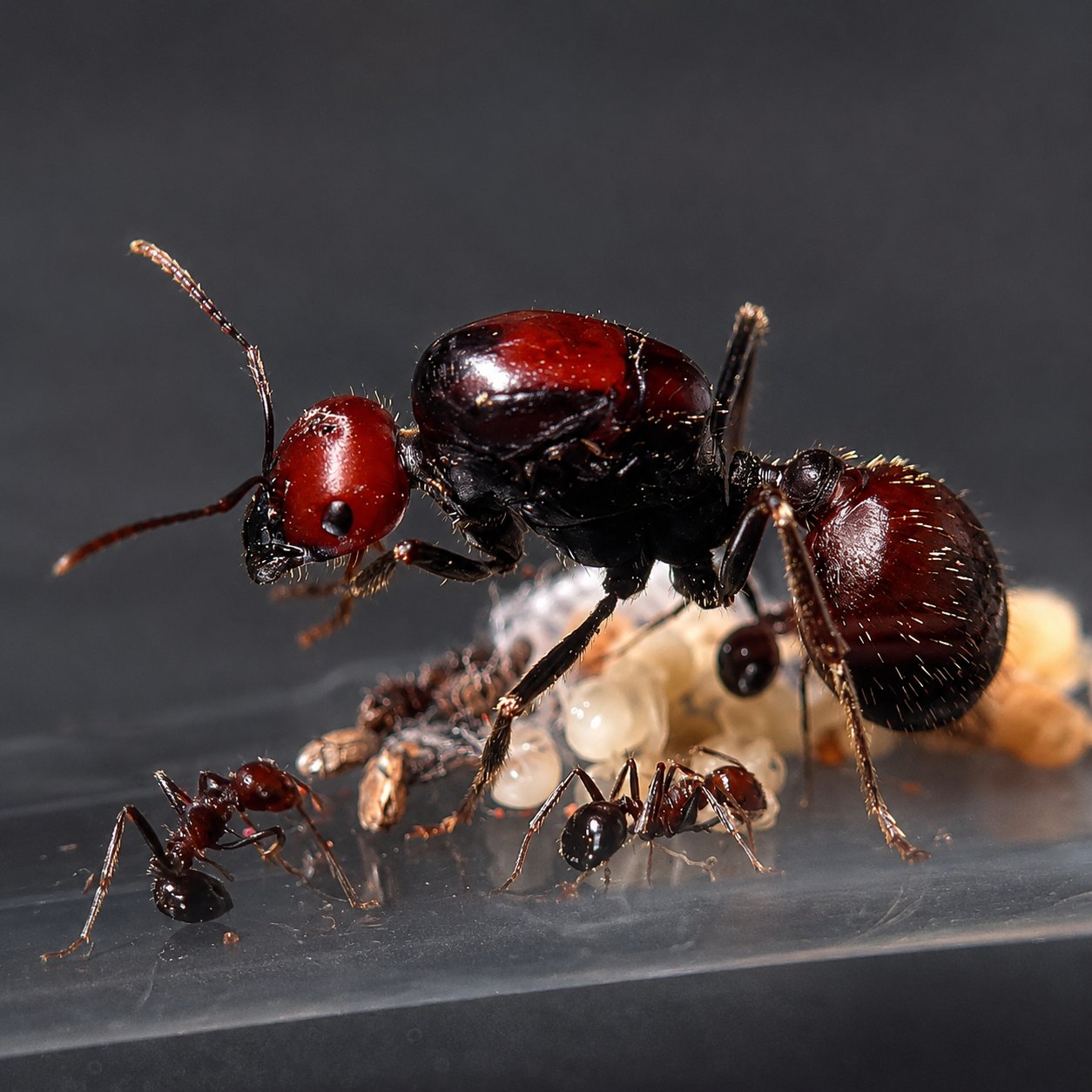

Messor cephalotes
979,90 zł – 1499,90 złPrice range: 979,90 zł through 1499,90 zł
Live Queen Guarantee
Heat Pack & Summer Cooling
Fertilised Queen in Every Colony
Ships Within 24 h
Free Care Guide
24/7 Expert Support
Description
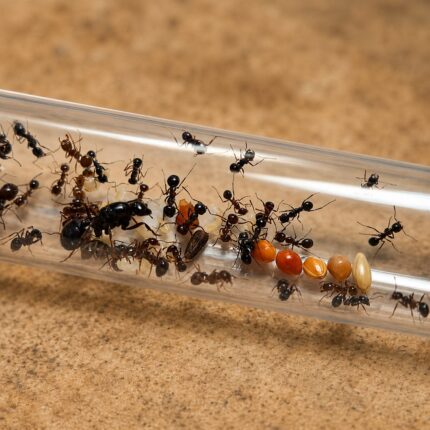
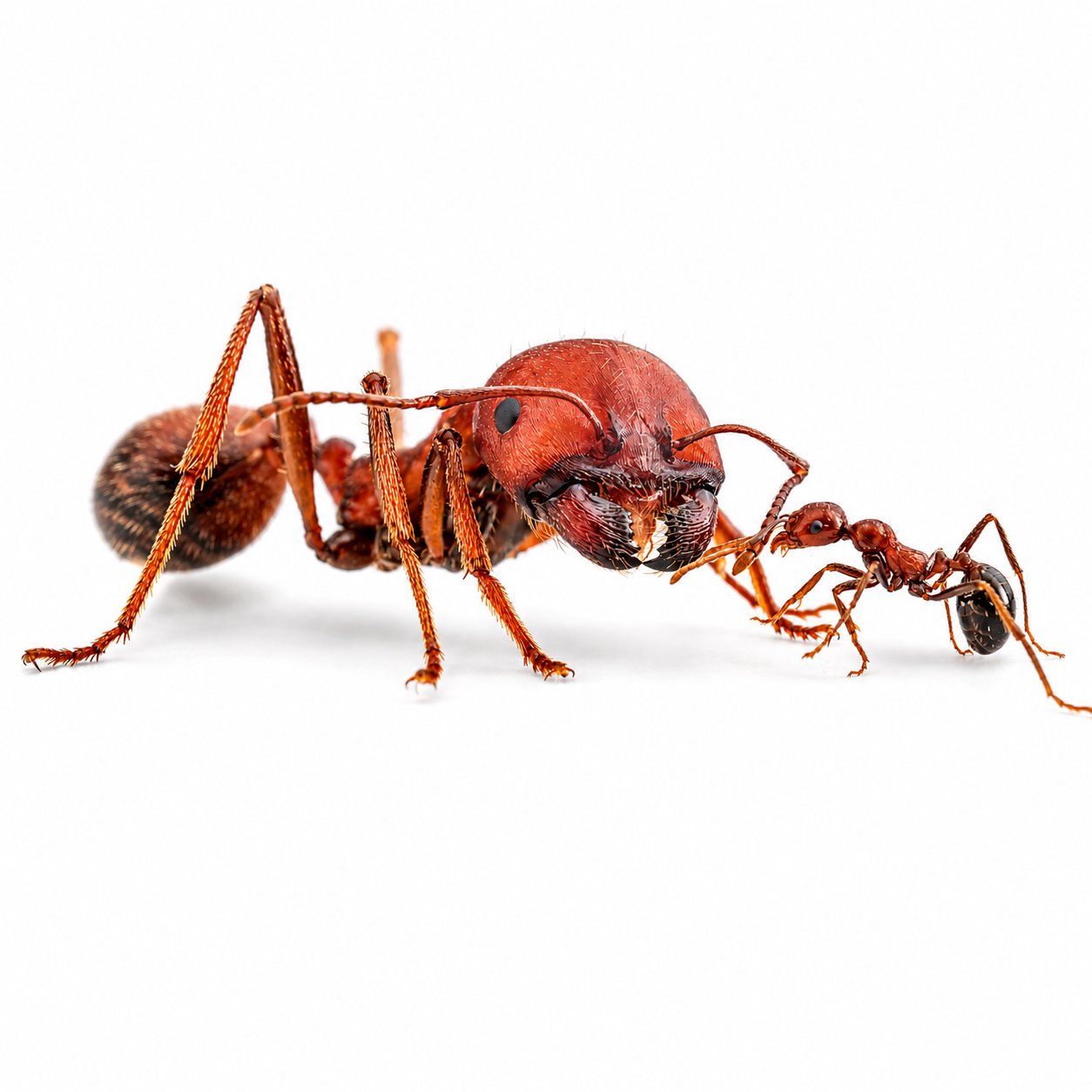
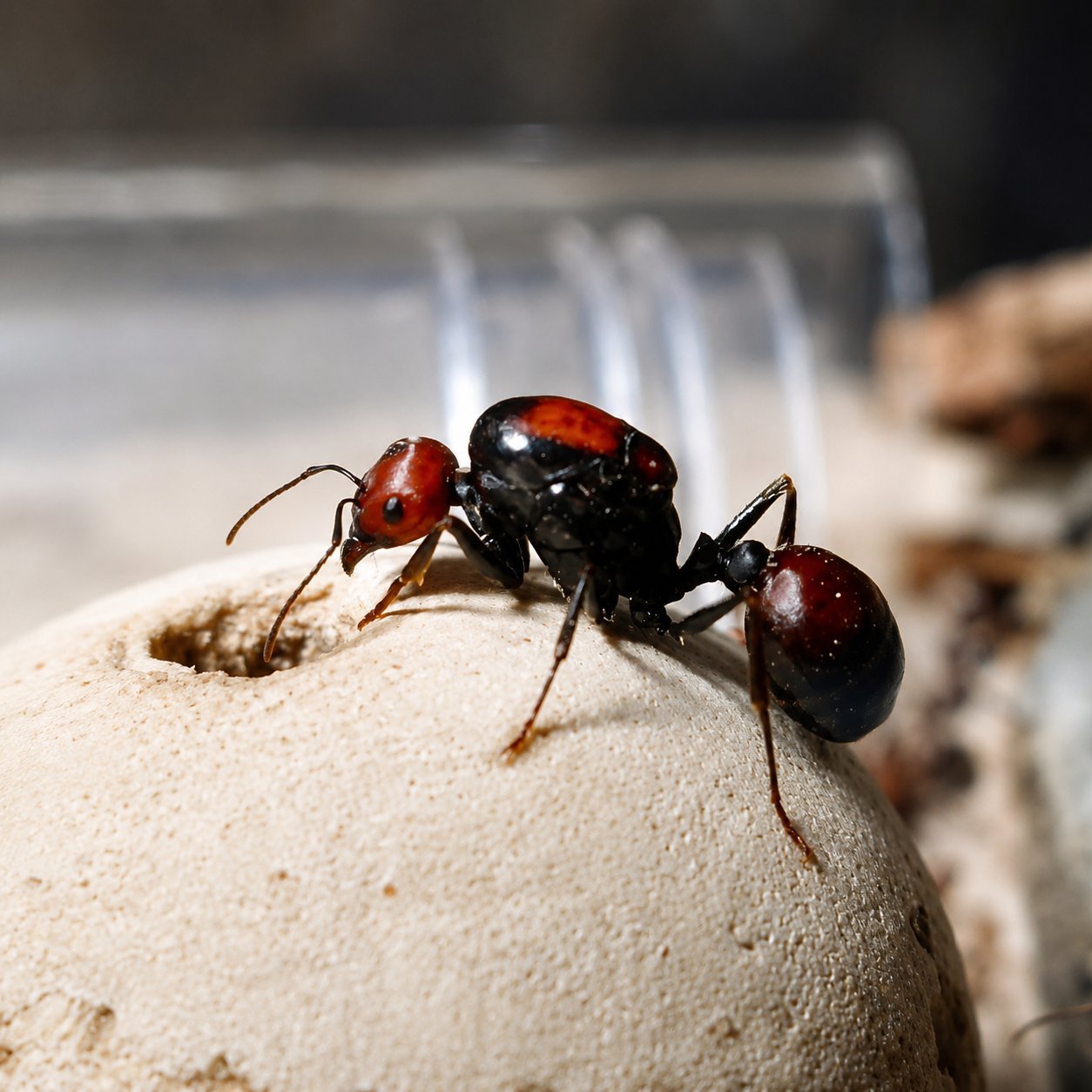
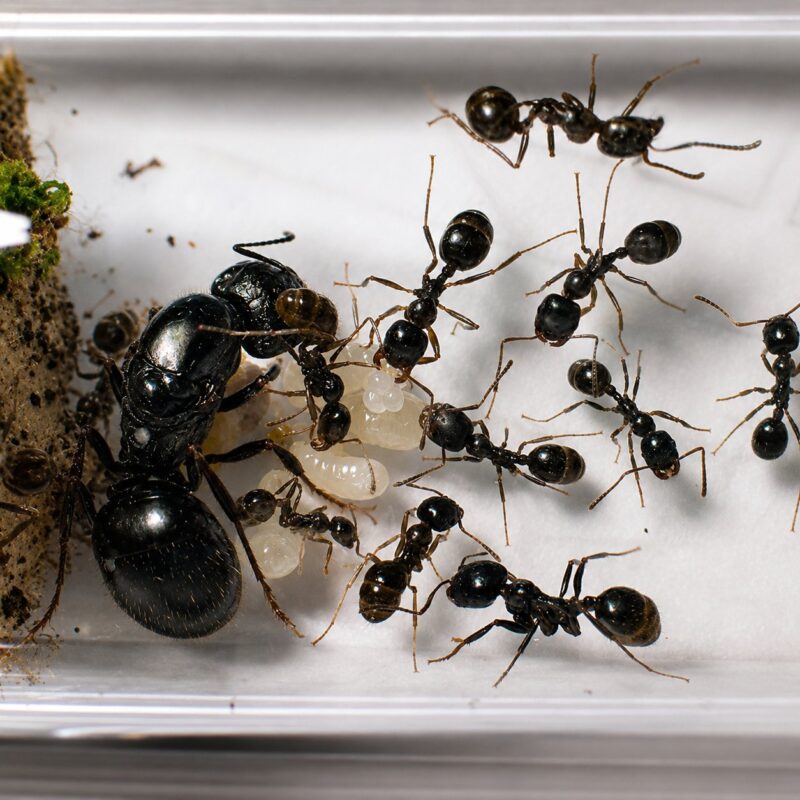
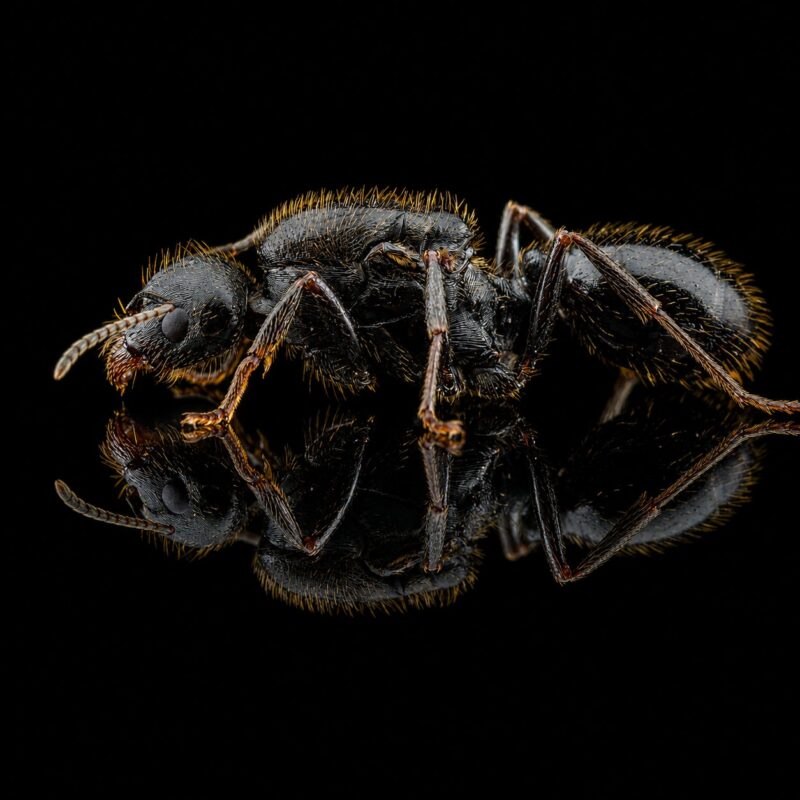
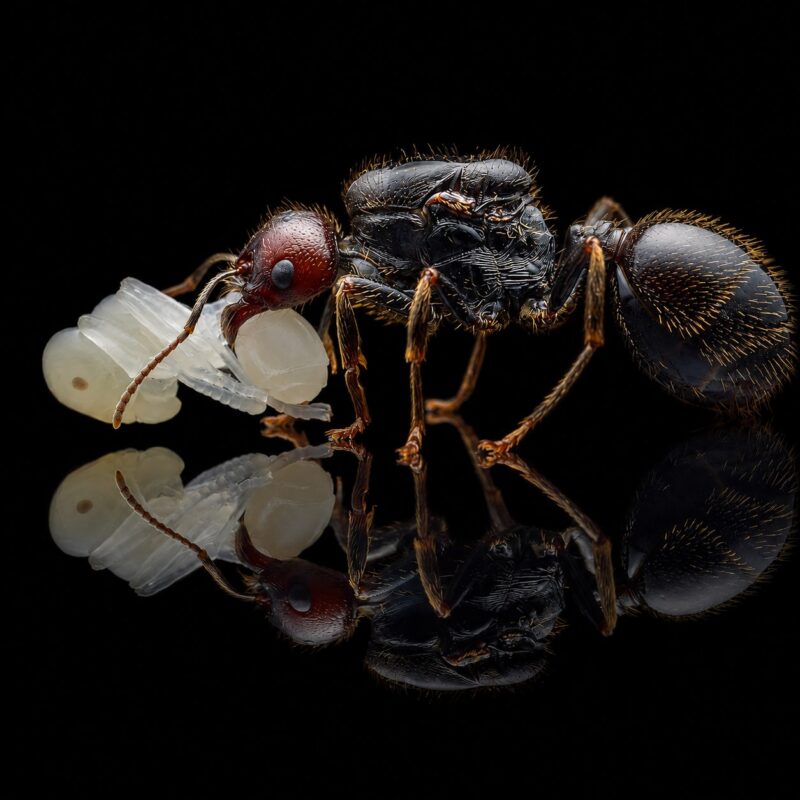
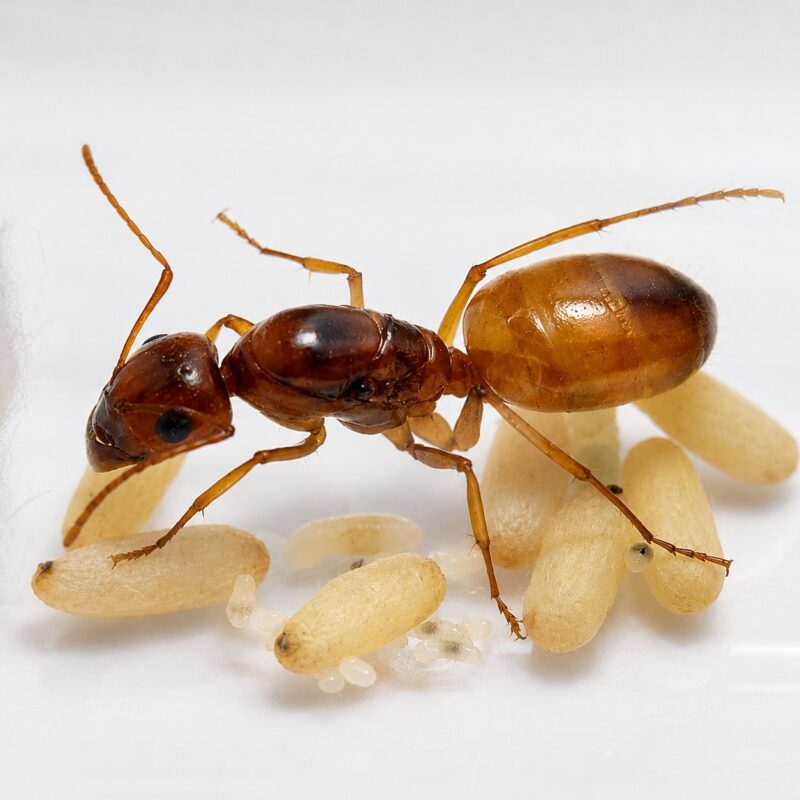
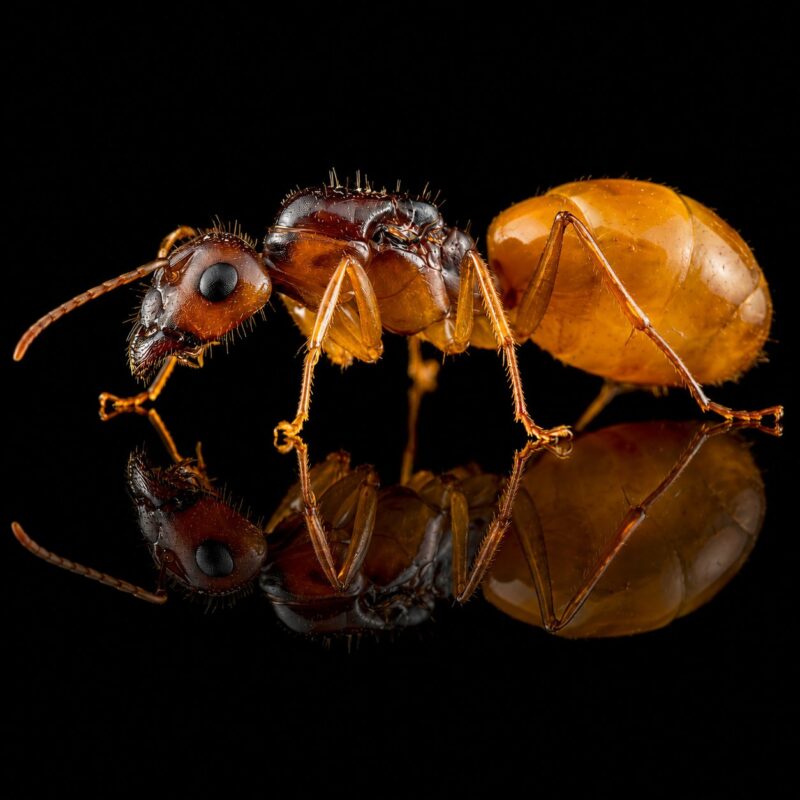
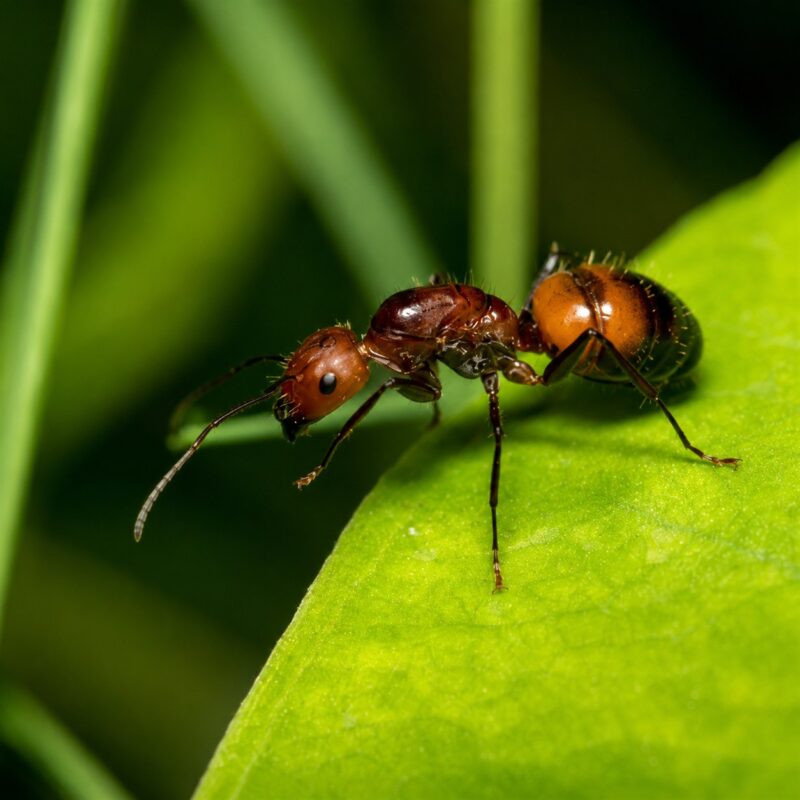
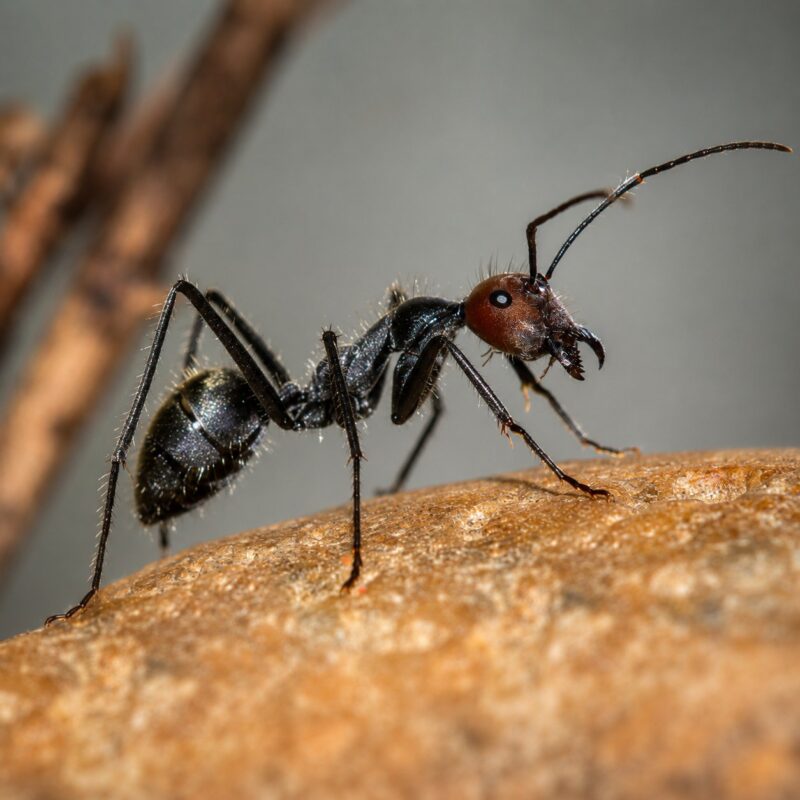
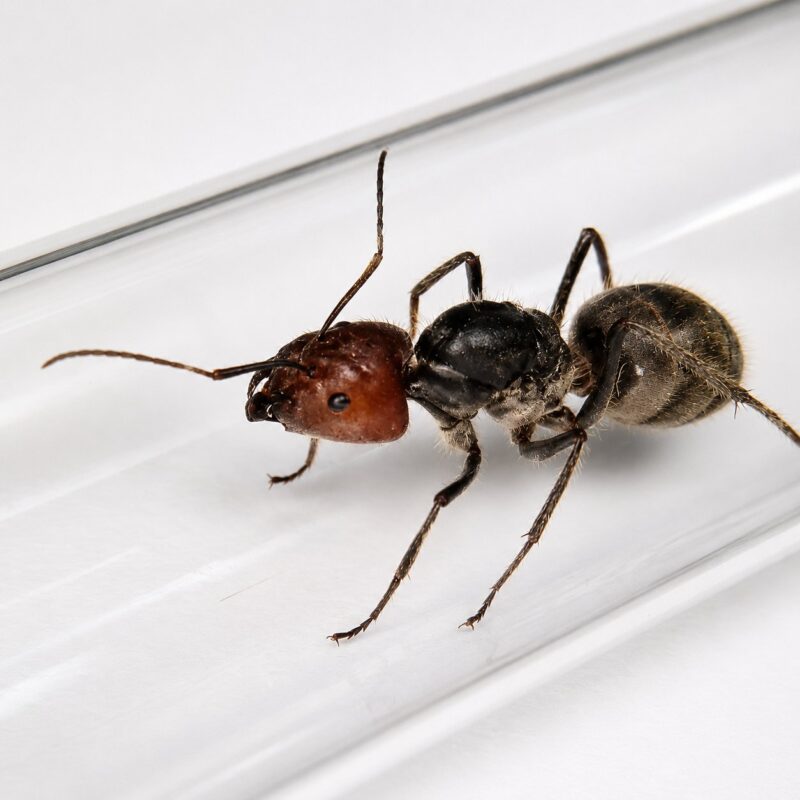
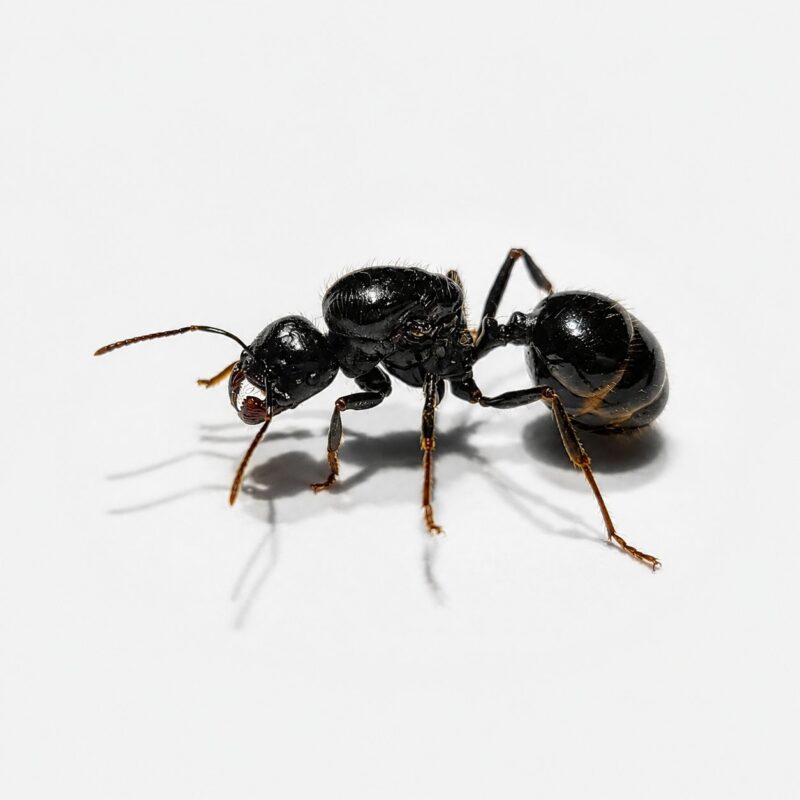
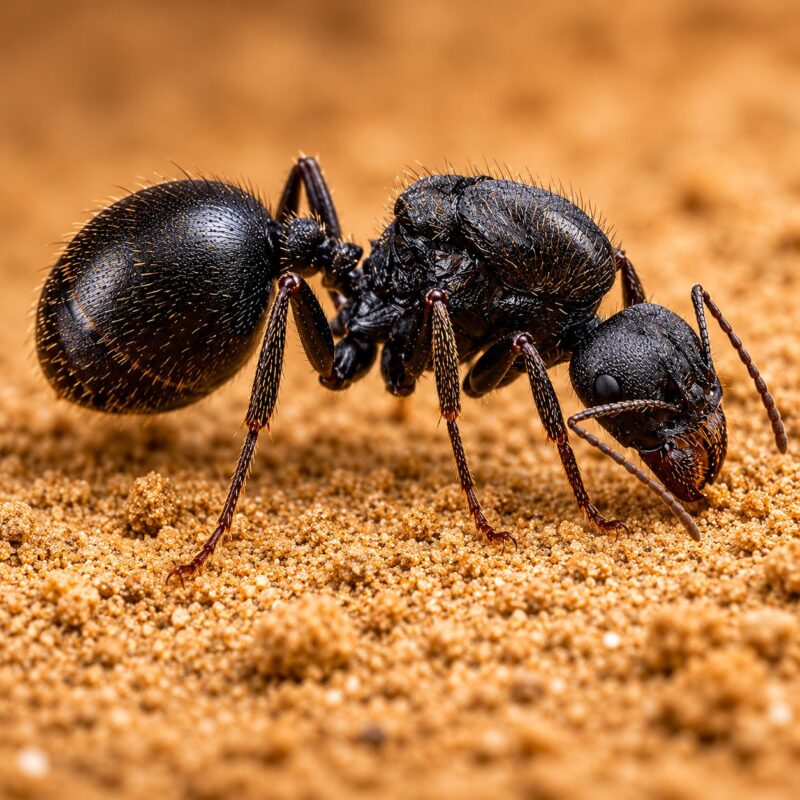
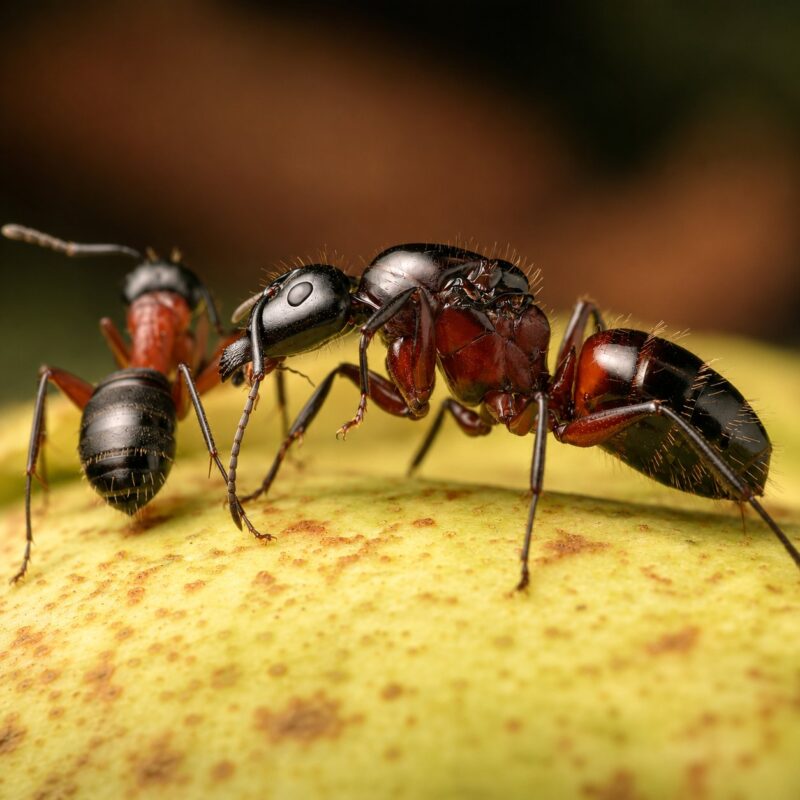
Queens up to 25 mm and colossal big-headed majors built to crush seeds put Messor cephalotes among the largest harvester ants on earth, a true centerpiece for your shelf. Add a showpiece Messor cephalotes colony at ANTonTOP.
Free shipping across Europe over 1299 zł.
DHL / InPost / EMS · ships the EU & worldwide.
Intermediate · Q 22-25 mm / W 4-14 mm / S 14-22 mm · Up to 5,000 workers · No hibernation (tropical) · Granivore · Kenya (East Africa) · Sting (mild), mild bite
Additional information
| Behavior | |
|---|---|
| Keeping difficulty | |
| Origin | |
| Ant size | |
| Hibernation | |
| Sting |
Has sting |
Messor cephalotes – Harvester ant
| Origin | Kenya (East Africa) |
|---|---|
| Difficulty | Intermediate |
| Colony form | Monogyne (1 queen) |
| Max workers | Up to 5,000 workers |
| Queen | 22-25 mm |
| Worker | 4-14 mm |
| Soldier / major | 14-22 mm |
| Founding | Claustral |
| Temperature | Nest 22-26 °C / Arena 24-28 °C |
| Humidity | Nest 45-60% / Arena 30-50% |
| Hibernation | No hibernation (tropical) |
| Diet | Granivore |
| Sting / bite | Sting (mild), mild bite |
| Egg to first worker | 6-12 weeks |
| Queen lifespan | up to ~25 years (genus) |
| Nuptial flight | rainy season (night/early morning) |
| Activity | both (nocturnal in hot summer, diurnal cooler) |
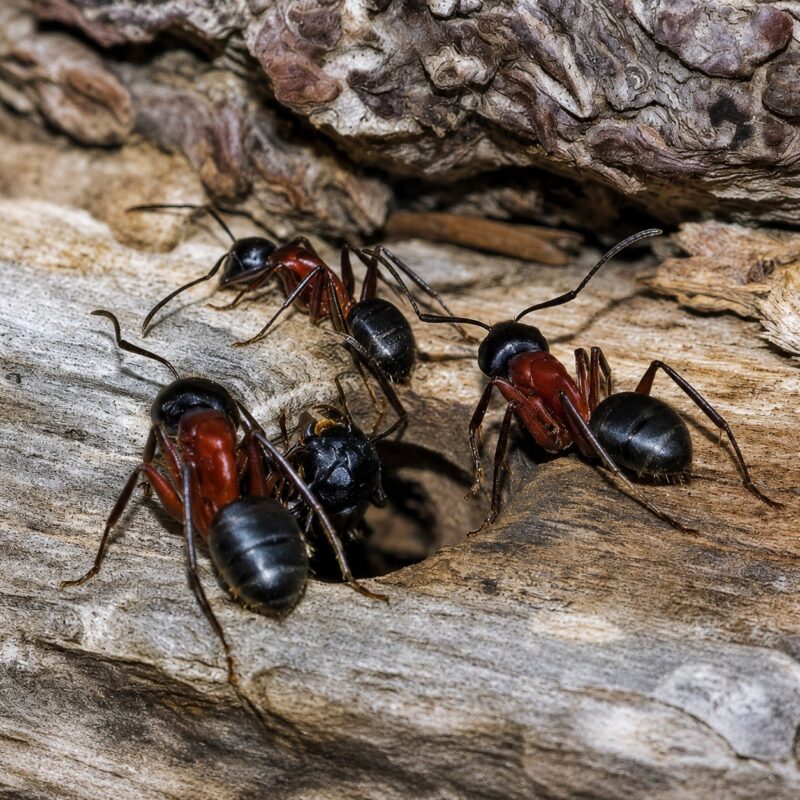
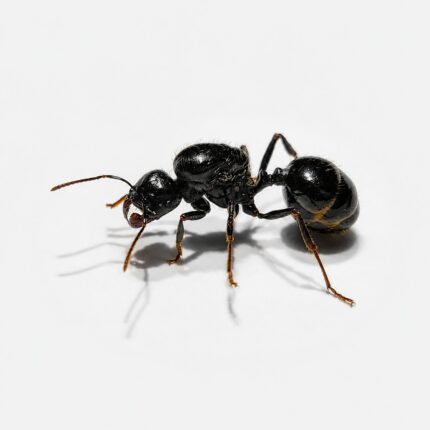
Messor cephalotes is East Africa’s giant harvester from Kenya: a statement colony with huge queens and big-headed major workers built for cracking seeds, ideal for keepers ready to step up from their first ant.
Why this species
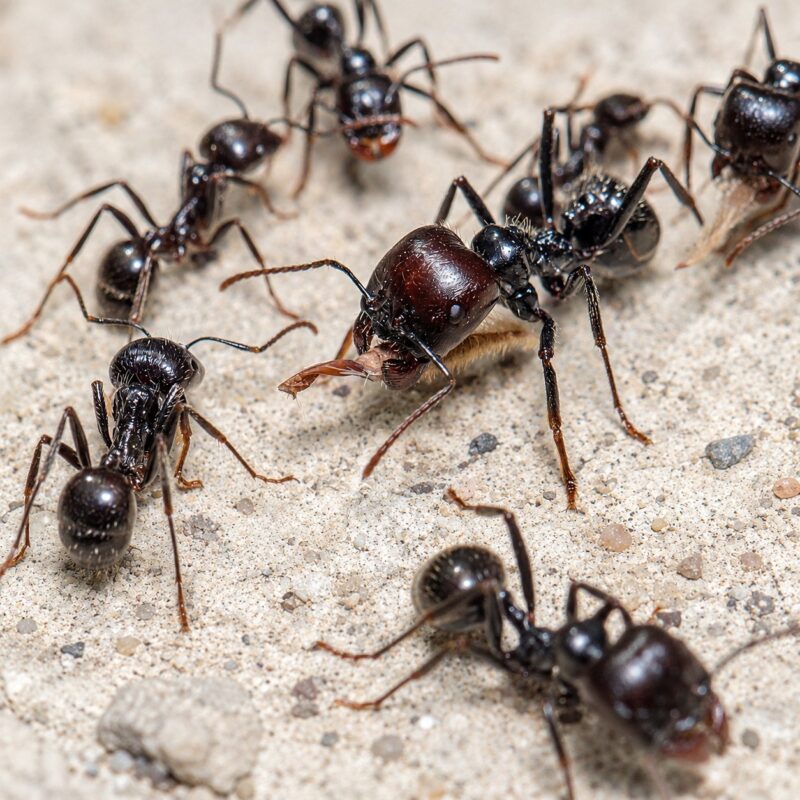
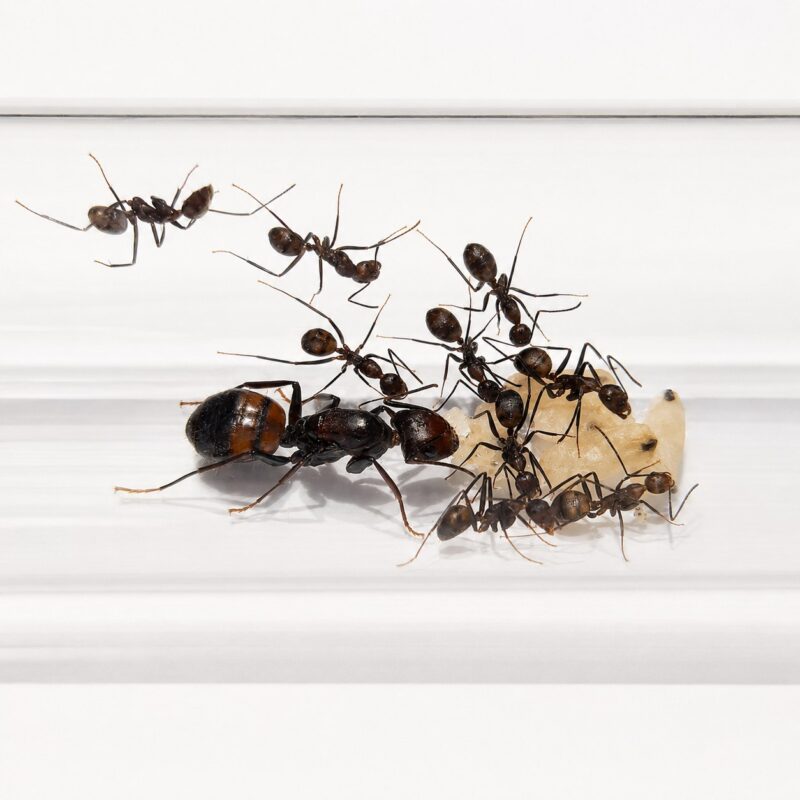
This is the largest Messor we offer, and the scale runs right through the colony into a striking size hierarchy you can watch at work, from small workers up to powerful, big-headed majors. It comes from Kenya in East Africa, where harvesters live off seeds rather than hunting, so the whole rhythm of the colony is gathering and milling. It sits at intermediate: it rewards a keeper who already understands feeding a granivore and managing arena humidity but is not yet at expert level. Grown out, it becomes a busy, foraging society with strong seed-milling behaviour, and the mild bite and sting stay manageable for an attentive owner.
Feeding
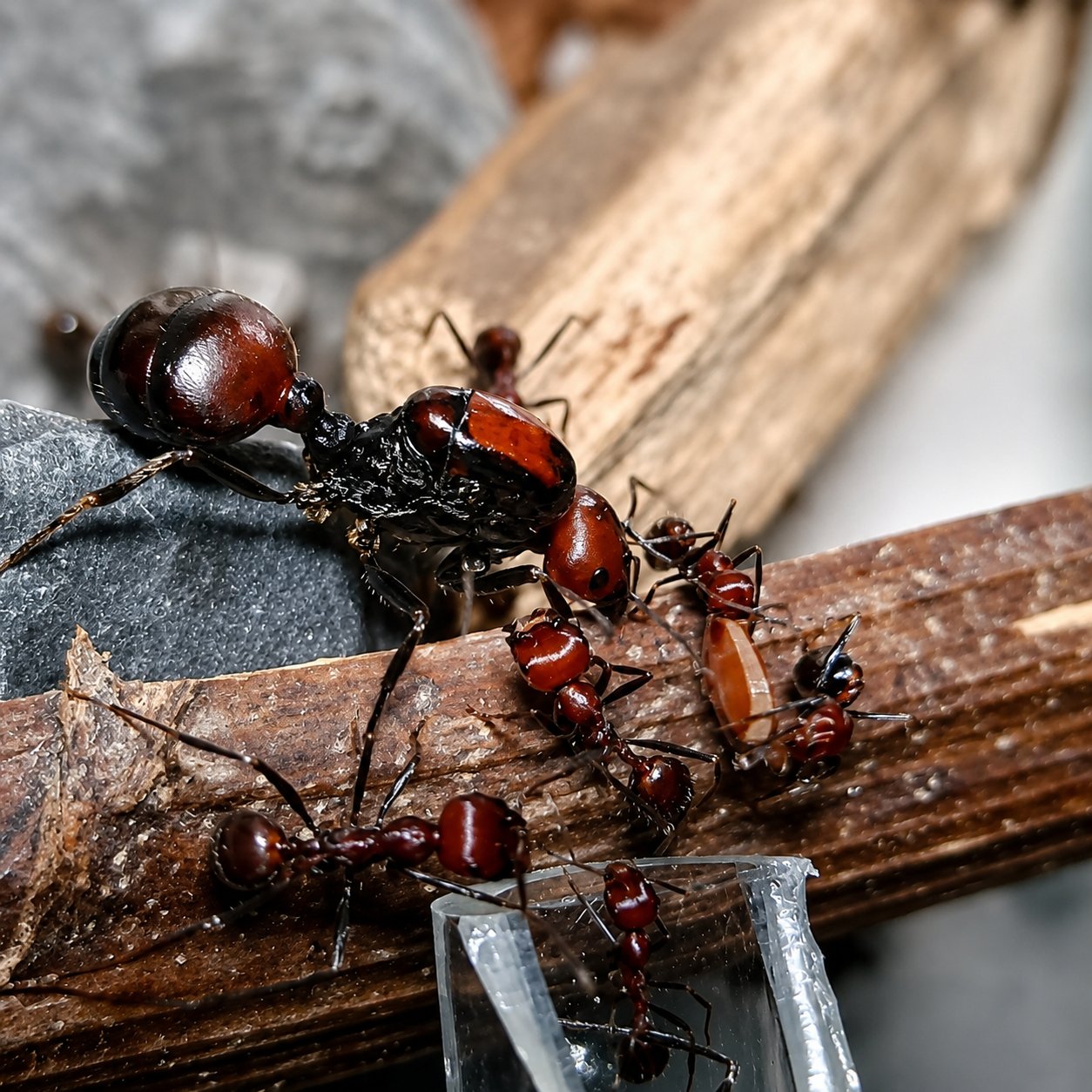
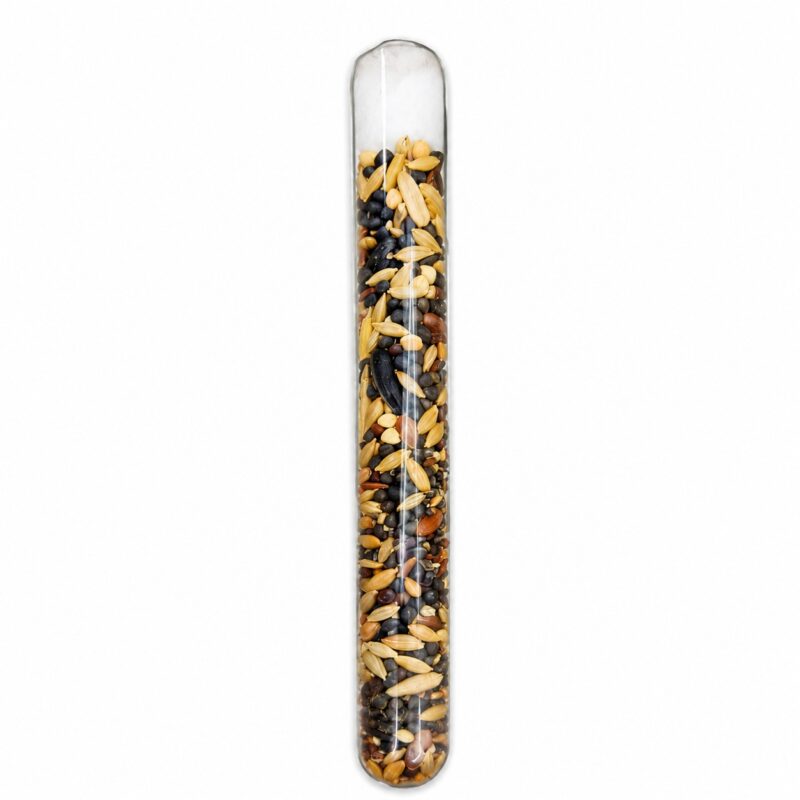
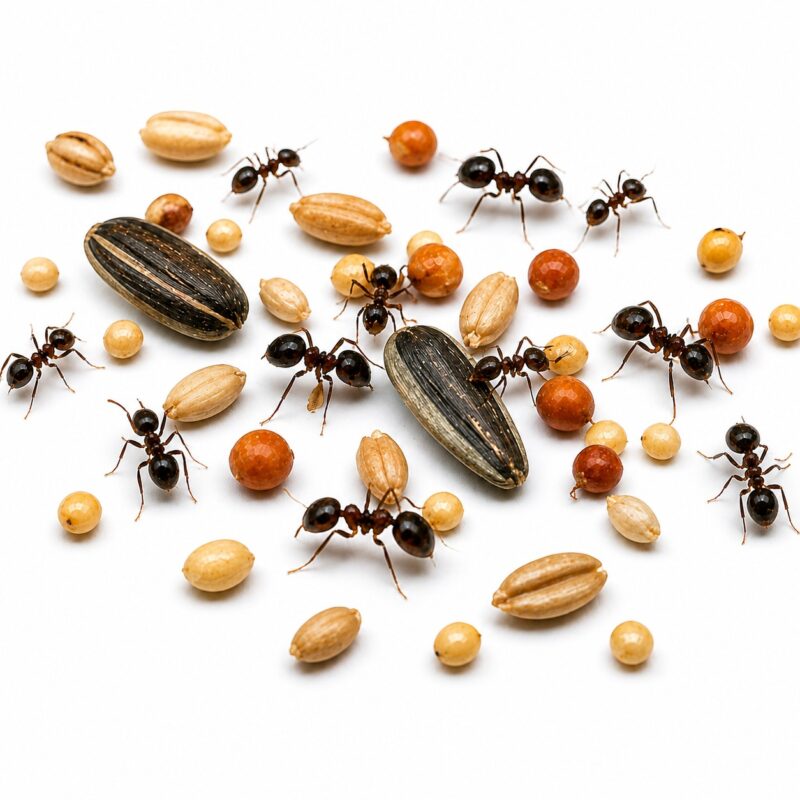
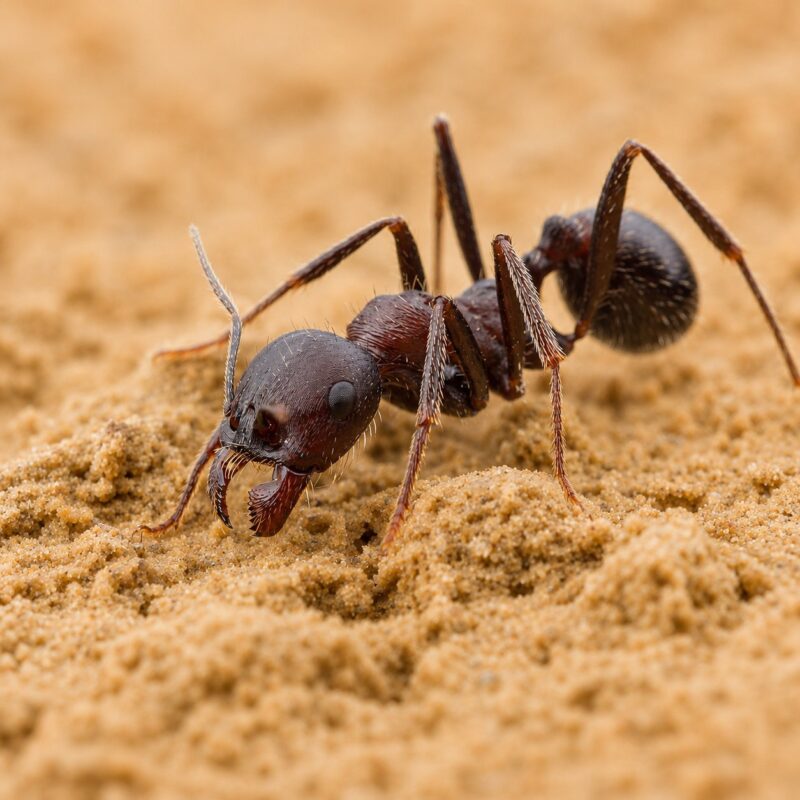
Messor cephalotes is a seed harvester on a grand scale. Its large workers gather and mill seeds into stored ant bread, with the enormous majors reserved for the toughest grain. A little insect protein supports the brood between seed meals.
| Soft seeds (poppy, sesame, chia, niger) | ★★★ |
| Hard seeds (canary, millet, grass, dandelion) | ★★★ |
| Quinoa / amaranth | ★★ |
| Crickets / flies (for brood) | ★★ |
| Sugar water / honey water | ★ |
| Mealworms | ★ |
| Boiled egg yolk | ★ |
| Soft fruit | ★ |
| Dried insects | ★ |
| Live plant matter | ✗ |
★★★ readily · ★★ moderately · ★ occasionally · ✗ not eaten
Housing & formicarium
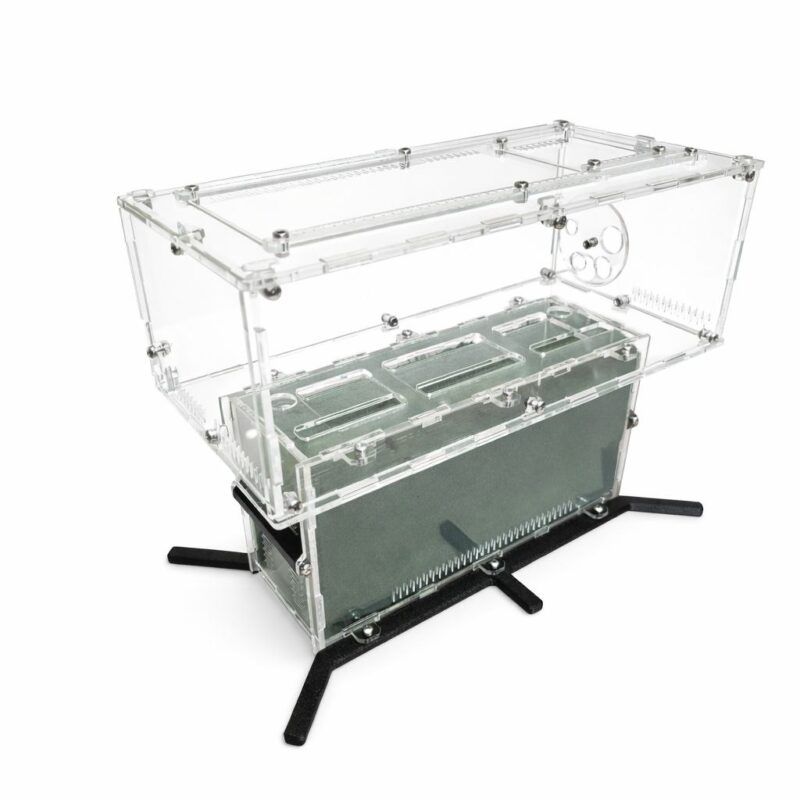
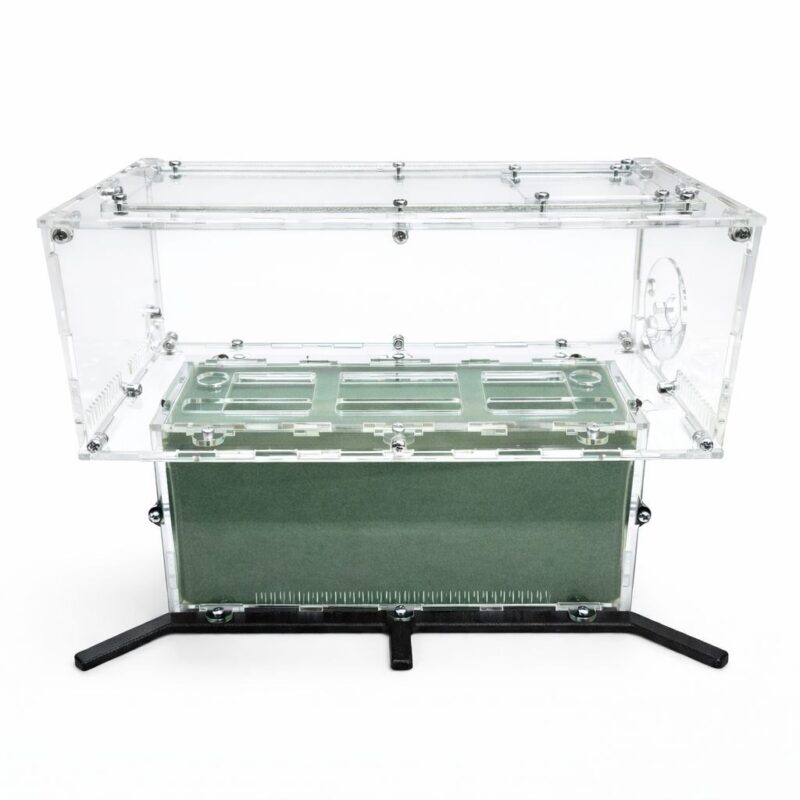
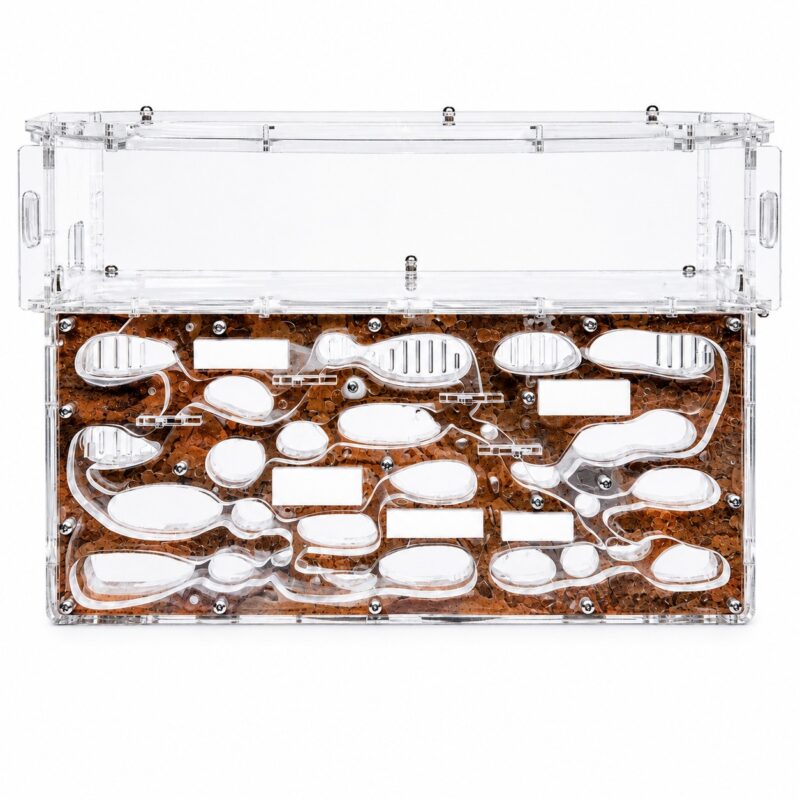
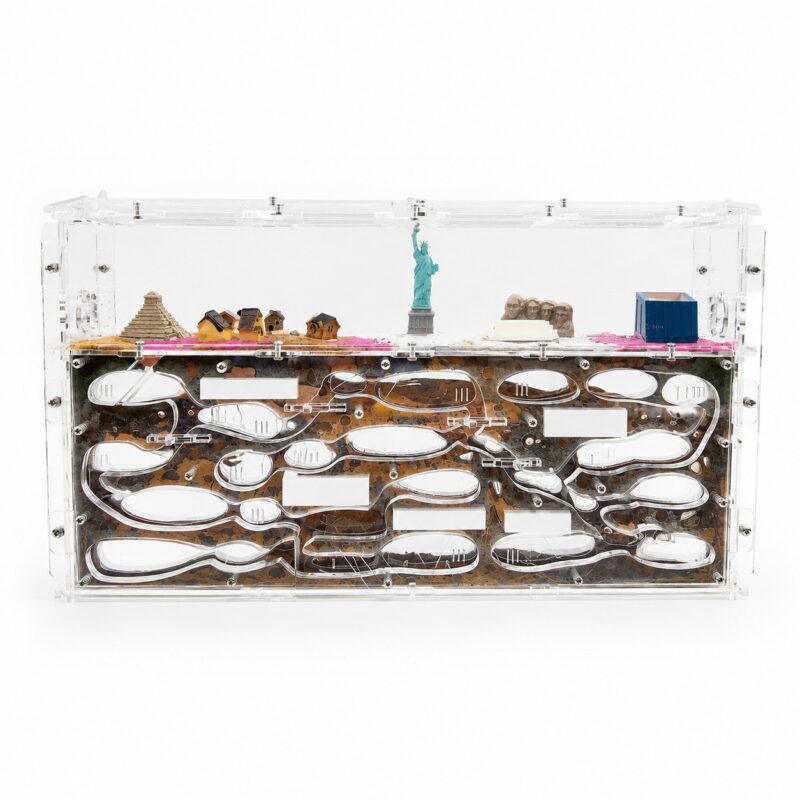
Found a young colony in a compact ANTonTOP kit, then step up to a larger formicarium as worker numbers head into the thousands; the oversized majors need room to mill and shift the harvest. A firm gypsum, ytong, or acrylic nest with a roomy arena lets the colony spread its seed work out. Keep one dry corner as a granary so stores stay sound. Run the rim with fluon (PTFE) or an oil barrier, with talc and water as a fallback. An ANTonTOP kit ties nest, arena and barrier together.
Climate & wintering
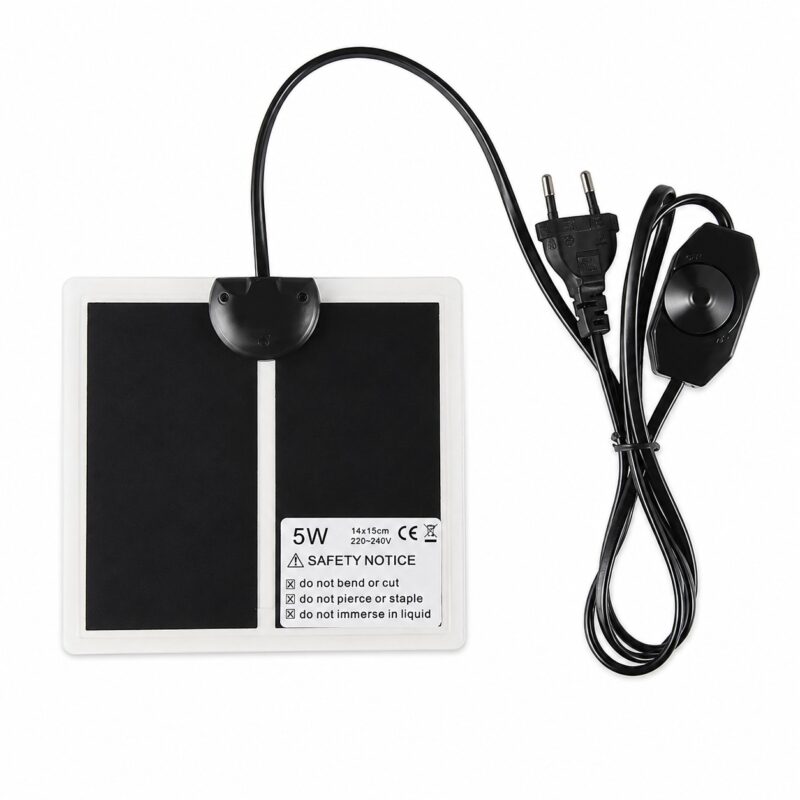
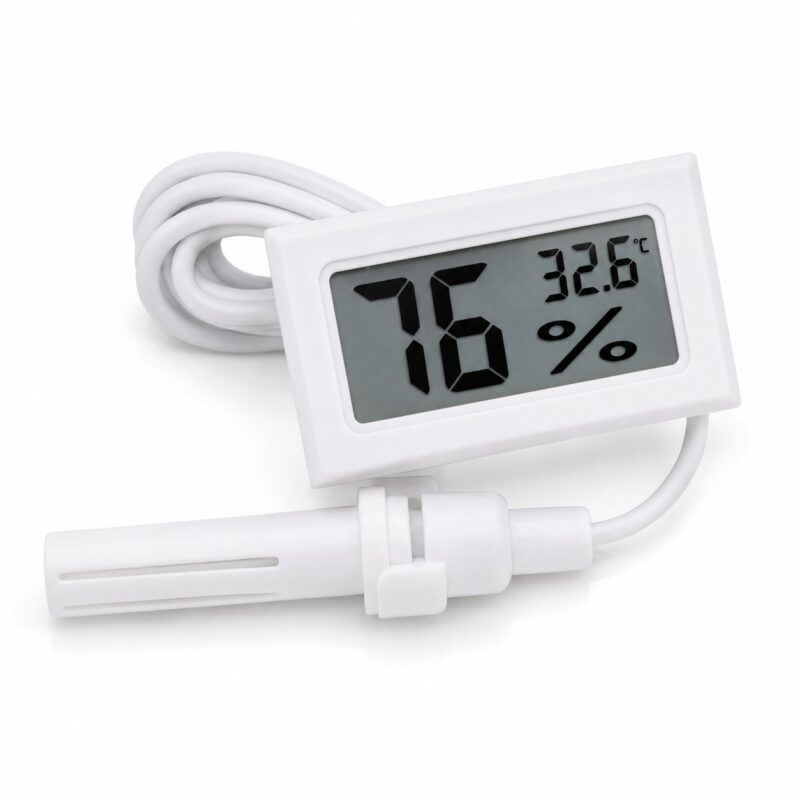
Keep the nest at 22-26 °C and the arena at 24-28 °C, with nest humidity 45-60% and arena humidity 30-50%. Heat one end of the arena only so the ants can self-select between warm and cool zones. This East African species takes no winter rest, so keep it active and feeding all year and never cool it down.
Growth forecast + what you receive
Growth is steady and picks up once the first majors emerge and the seed mill is running, with brood in roughly six to twelve weeks and a colony reaching toward 5,000 workers. Your colony arrives as a fertilised queen with workers and founding brood.
Did you know
- Messor cephalotes, from the East African highlands, is widely regarded as the largest harvester ant in the world, with strikingly big queens and majors.
- The name cephalotes points to the huge heads of its soldiers, whose oversized muscles power jaws strong enough to mill the hardest seeds.
- The sheer size range between minor workers and majors is dramatic, letting one colony handle everything from fine grass seed to large, hard grains.
- As a major seed harvester of African grassland, it stores grain against lean periods and shapes the plant community around its nest.
Frequently asked questions
Is Messor cephalotes good for beginners?
It is rated Intermediate, so it suits a keeper who already has one colony under their belt rather than a complete first-timer.
Does Messor cephalotes need a winter rest?
No, it is a tropical species with no hibernation, so keep it warm and feeding all year.
Does this giant harvester sting or bite?
It has a sting and a mild bite, but it is manageable for an attentive keeper.
How big can the colony get?
Up to 5,000 workers.
How big is the Messor cephalotes queen?
The queen measures 22-25 mm, among the largest of any harvester ant.
How fast does it grow?
It grows steadily and speeds up once the first majors and the seed mill arrive.
What does it eat?
Mainly seeds, plus insect protein and sugar water; it is a granivore.
Will it arrive alive?
Yes, it ships with queen, workers and brood, a heat or cool pack, dispatched within 24 h with tracking.
Keeping & shipping essentials
Escape prevention. Coat the inner rim of every open arena with fluon (PTFE), or use talc-and-water or an oil barrier as a backup, and keep a tight, fine-mesh lid on top. Check the barrier regularly, since dust, condensation and feeding debris break a fluon line over time. Keep tubing connectors tight and seal any gaps in the nest.
Keeping reminders. Always offer fresh water and never let the nest dry out completely. Give carbohydrates continuously and protein a few times a week, and remove uneaten insect prey within 24 hours before it moulds. Keep the formicarium out of direct sunlight and away from constant vibration, which stresses a young colony. A water-filled test tube plugged with cotton makes an ideal spare incubator whenever you need one.
Before you buy – do not rehouse too early. Have a test-tube setup or a small formicarium with an outworld and a working barrier ready before your colony arrives. A founding colony grows slowly at first, which is normal. Moving a small colony into a large nest too soon invites mould, mites and stress, and the workers die off one by one. Keep the colony in its open test tube on the arena, plug the nest entrance with cotton, and open up the next chambers only once the colony fills roughly 10-15% of the space.
What we ship. Every colony ships with a live-arrival guarantee, backed by our 24h unboxing-video guarantee: if the queen does not arrive alive, we reship free. Parcels travel with DHL, InPost (PL) or EMS, with a heat or cold pack to suit the season, packed discreetly and securely. We ship across the EU and worldwide, with free shipping over the Europe threshold.

Reviews
Clear filtersThere are no reviews yet.