
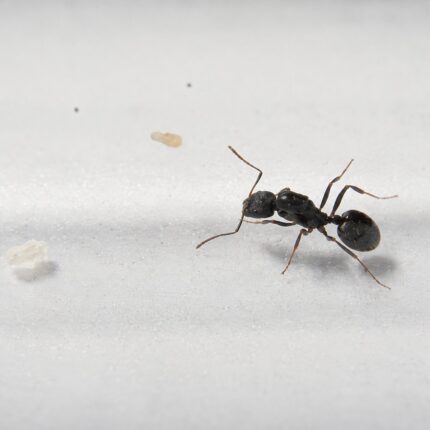
Aphaenogaster schurri
119,90 zł – 249,90 złPrice range: 119,90 zł through 249,90 zł
Live Queen Guarantee
Heat Pack & Summer Cooling
Fertilised Queen in Every Colony
Ships Within 24 h
Free Care Guide
24/7 Expert Support
Description
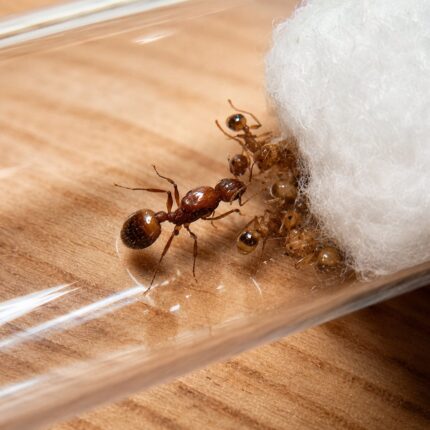
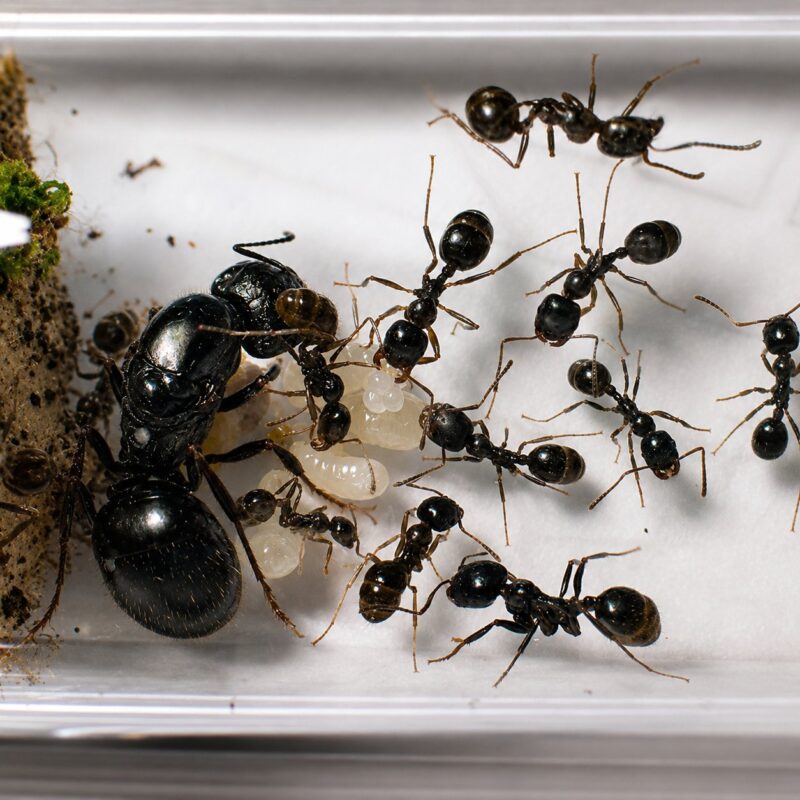
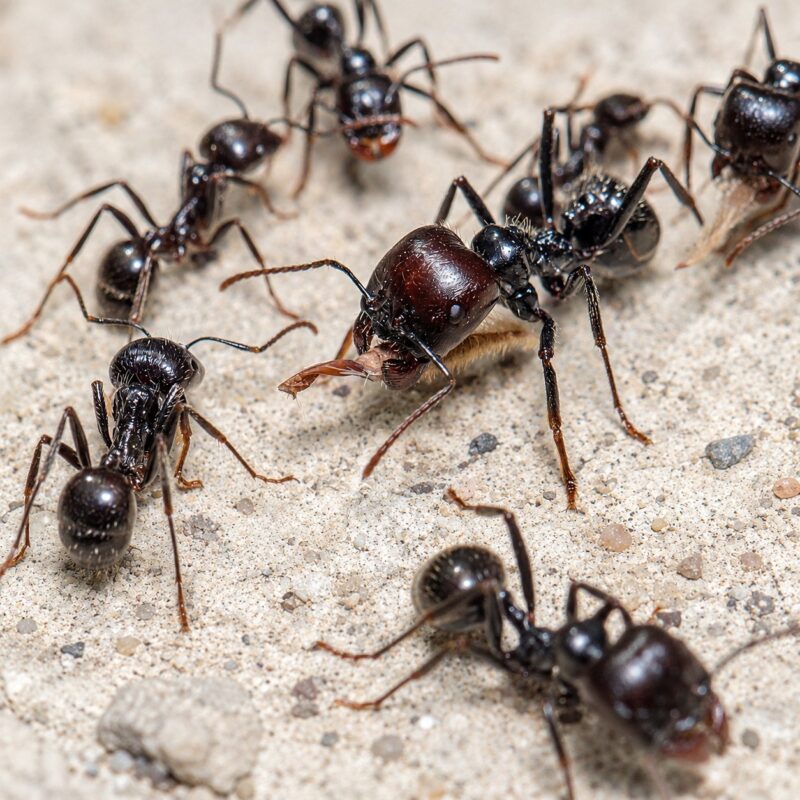
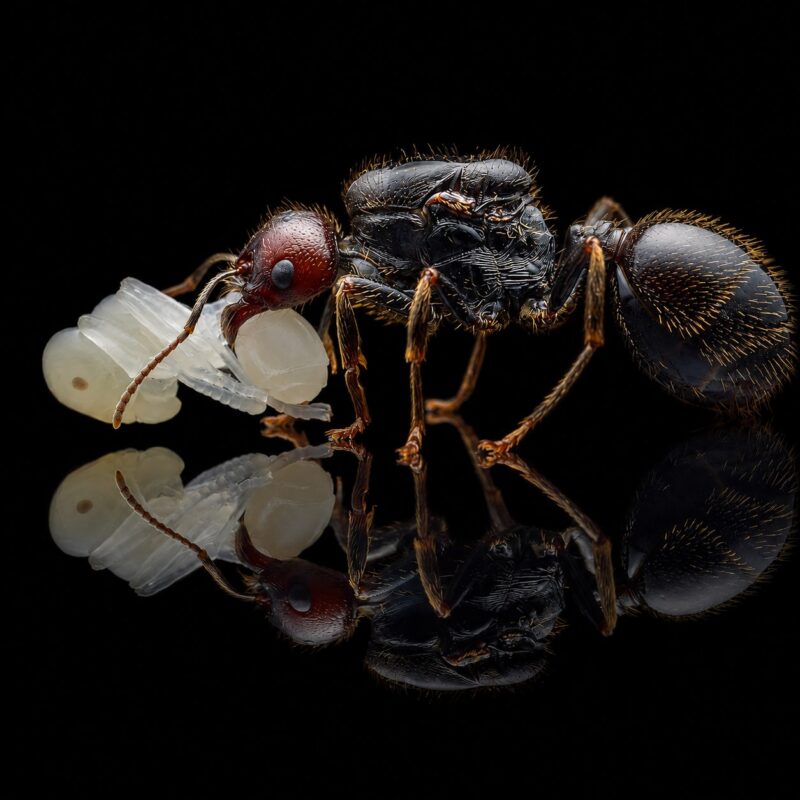
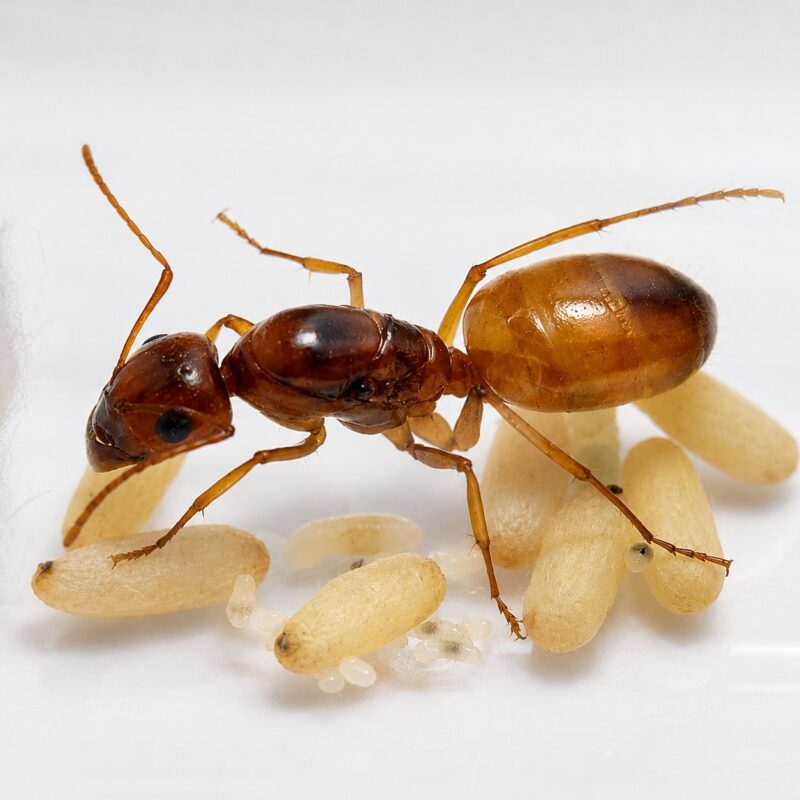
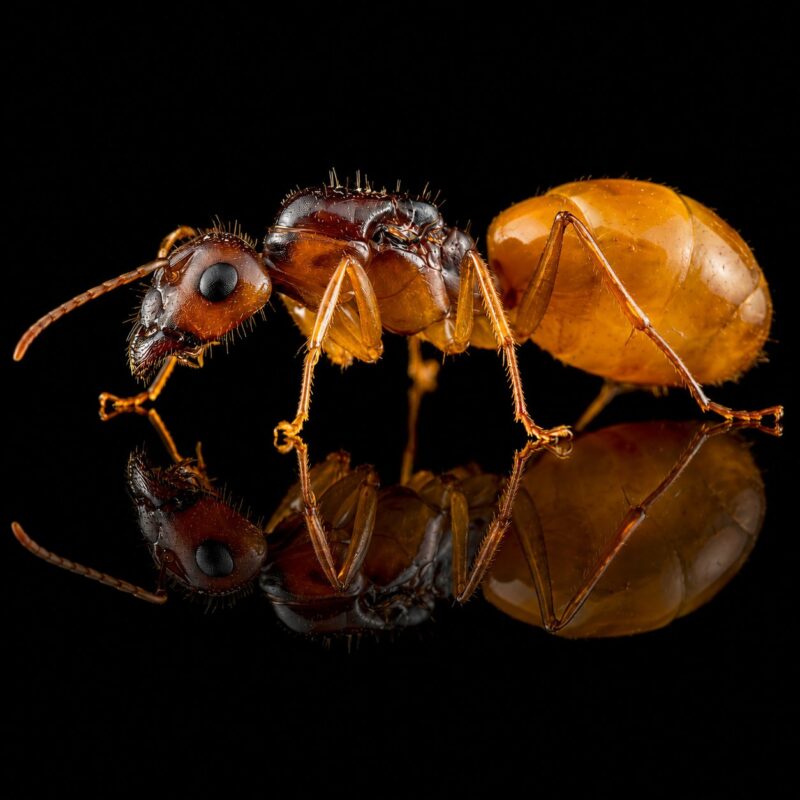
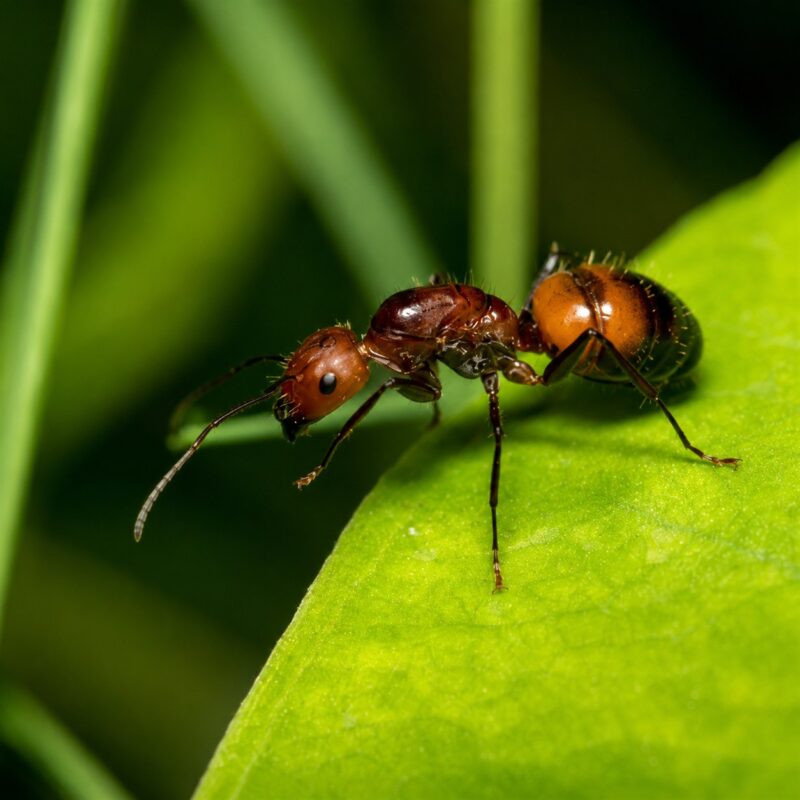
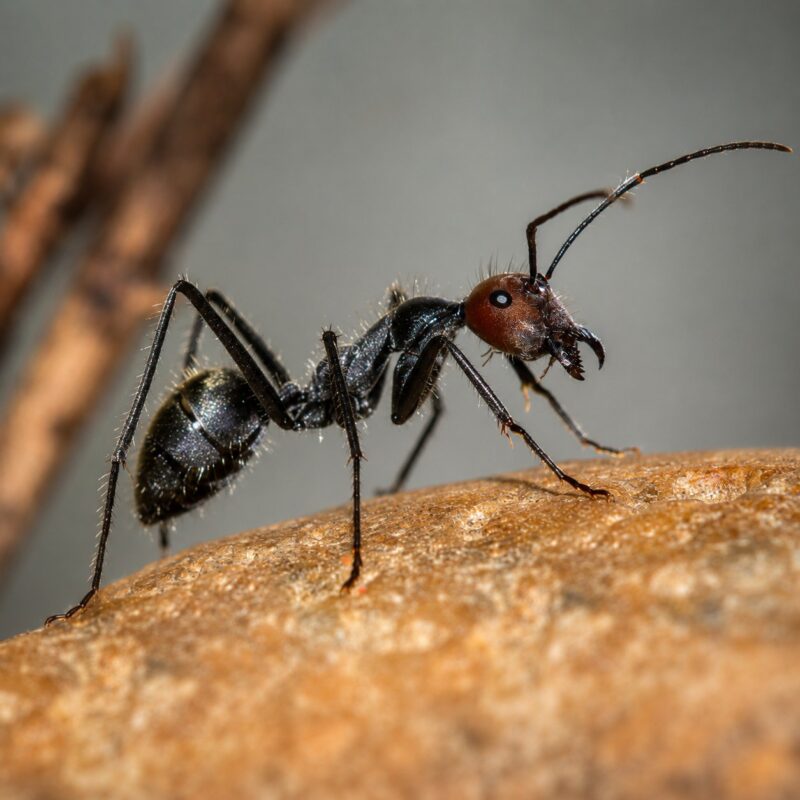
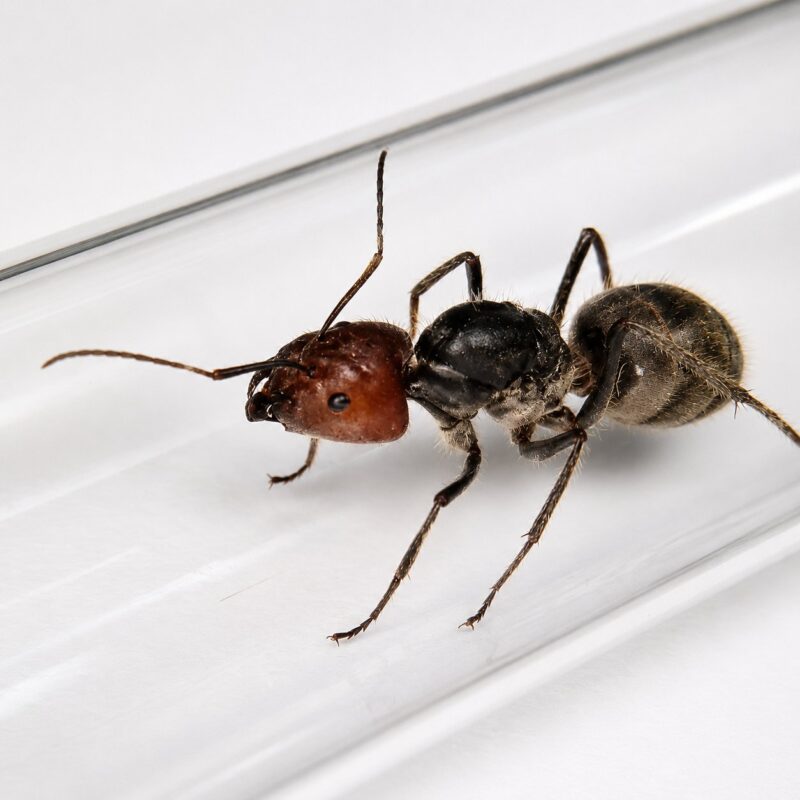
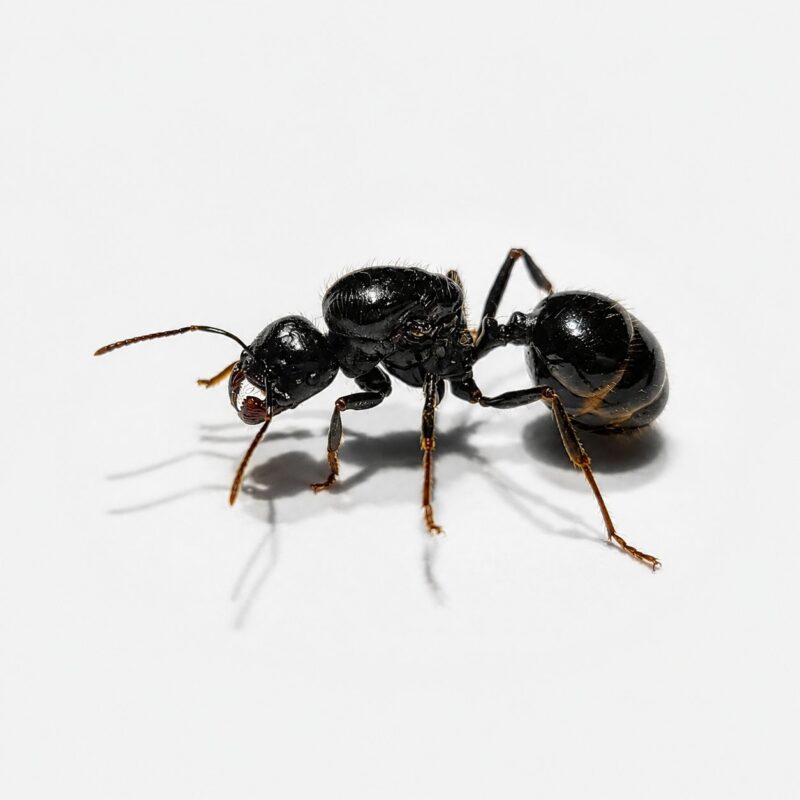
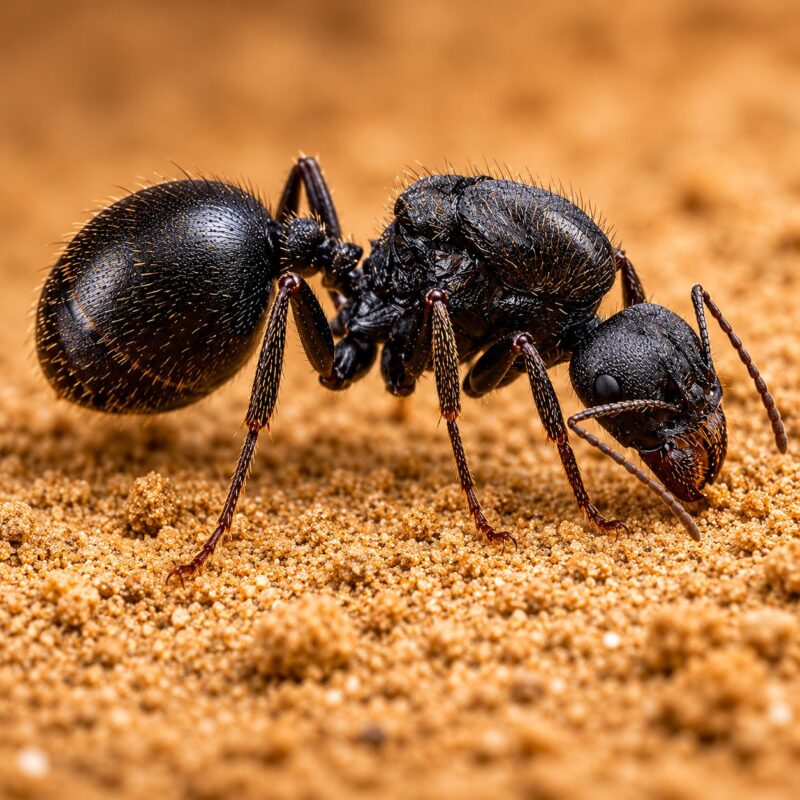
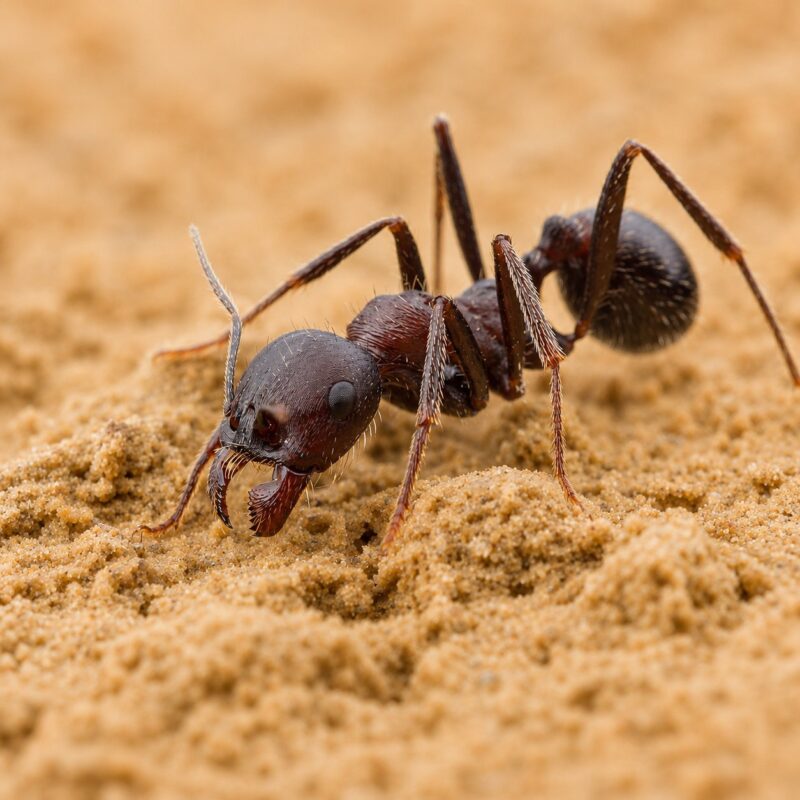
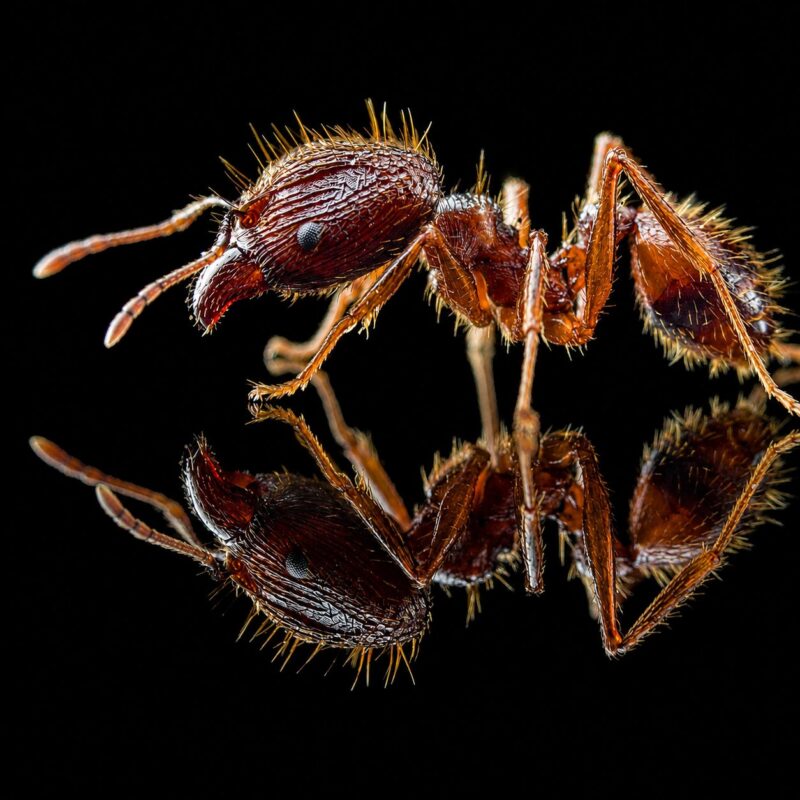
Big, long-legged workers of Aphaenogaster schurri cut a bold trail across the arena all year, with no winter rest to schedule. This large-bodied tropical species from Pachmarhi, India, gives you the look of a substantial ant with simple, uninterrupted care. Order yours at ANTonTOP.
Free shipping across Europe over 1299 zł.
DHL / InPost / EMS · ships the EU & worldwide.
Intermediate · Q 11-13 mm / W 5-9 mm · Up to 1,000-2,000 workers · No hibernation (tropical) · Omnivore · Pachmarhi India (South Asia) · Sting (mild), mild bite
Additional information
| Behavior | |
|---|---|
| Keeping difficulty | |
| Origin | |
| Ant size | |
| Hibernation | |
| Sting |
Has sting |
Aphaenogaster schurri
| Origin | Pachmarhi India (South Asia) |
|---|---|
| Difficulty | Intermediate |
| Colony form | Monogyne (1 queen) |
| Max workers | Up to 1,000-2,000 workers |
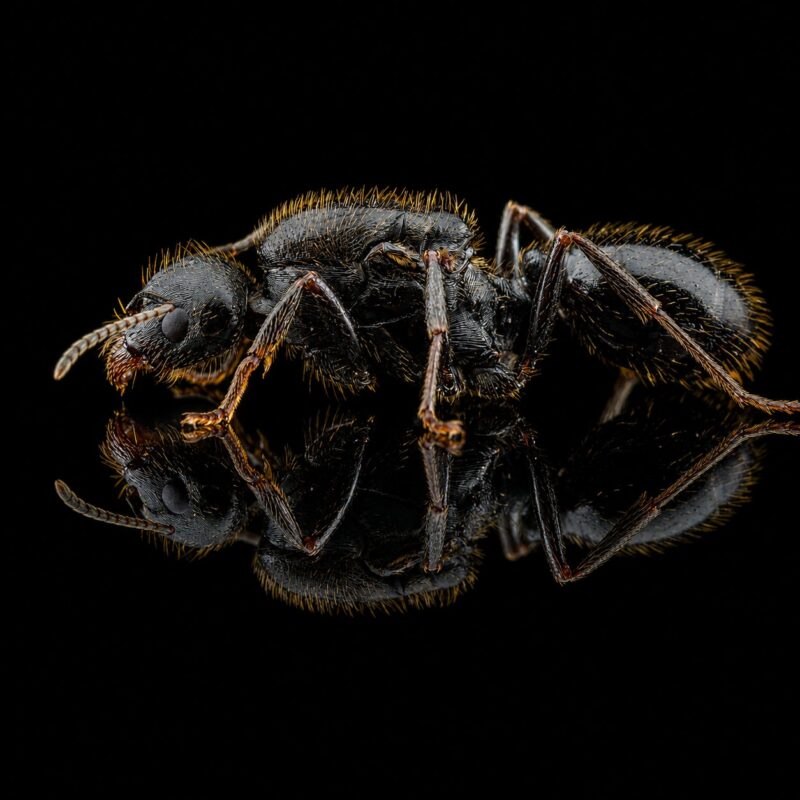
| Queen | 11-13 mm |
| Worker | 5-9 mm |
| Soldier / major | – |
| Founding | Claustral |
| Temperature | 20-28 °C |
| Humidity | 50-70% |
| Hibernation | No hibernation (tropical) |
| Diet | Omnivore |
| Sting / bite | Sting (mild), mild bite |
| Egg to first worker | 5-7 weeks |
| Queen lifespan | 9-15 years |
| Nuptial flight | 1-2 months before rainy season |
| Activity | nocturnal |
Aphaenogaster schurri is a large-bodied tropical ant from Pachmarhi, India, with big workers, no winter to manage, and a colony that suits a keeper ready for their next step.
Why this species
Its draw is simple: big workers with none of the seasonal obligations. The sizeable foragers lay down an eye-catching trail across the arena, giving the colony a presence that smaller species cannot match. And since it comes from warm Indian country and works right through the year, there is no hibernation to schedule, so you enjoy the look of a substantial ant paired with the ease of continuous, uninterrupted care. Everyday keeping stays simple, the one thing to mind being a humid nest set against a drier arena. For an intermediate keeper who wants size and reliable activity without a winter routine, it is a comfortable choice.
Feeding
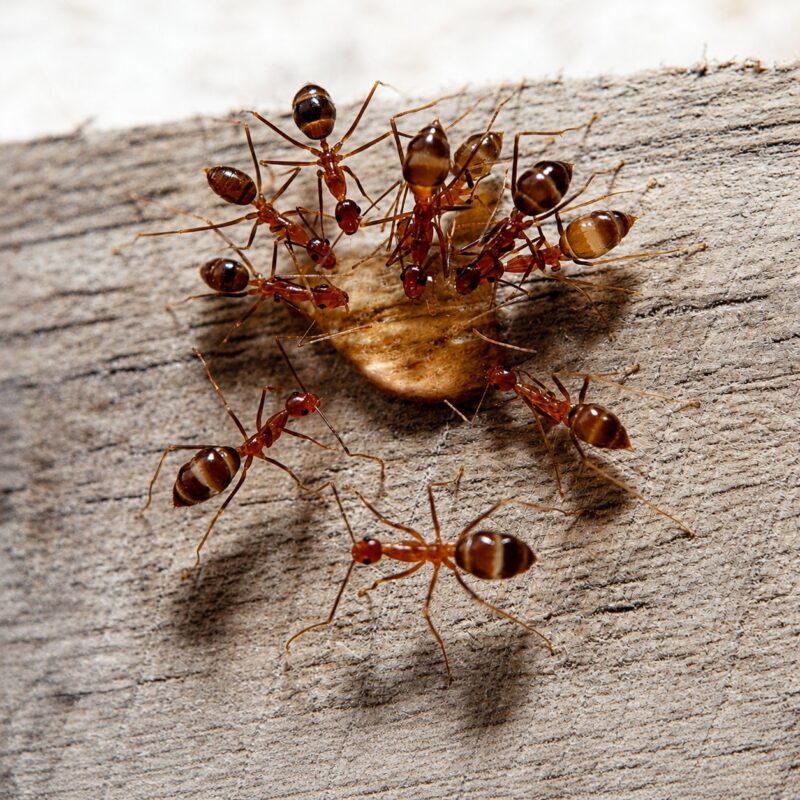
A scavenging omnivore with large, long-legged workers that range across the ground for insect prey and sweet food, drinking sugars for themselves and carrying protein back to the brood. Keep sugars on hand and supply insects at regular intervals.
| Sugar water / honey water | ★★★ |
| Ant nectar / sugar jelly | ★★★ |
| Honey | ★★★ |
| Protein jelly | ★★★ |
| Crickets | ★★★ |
| Cockroaches (Dubia / Turkish) | ★★★ |
| Fruit flies (Drosophila) | ★★★ |
| Houseflies | ★★★ |
| Locusts | ★★ |
| Boiled egg yolk | ★★ |
| Mealworms | ★ |
| Superworms | ★ |
| Boiled lean chicken / shrimp / meat | ★ |
| Soft fruit (apple, pear, banana) | ★ |
| Dried insects | ★ |
★★★ readily · ★★ moderately · ★ occasionally · ✗ not eaten
Housing & formicarium
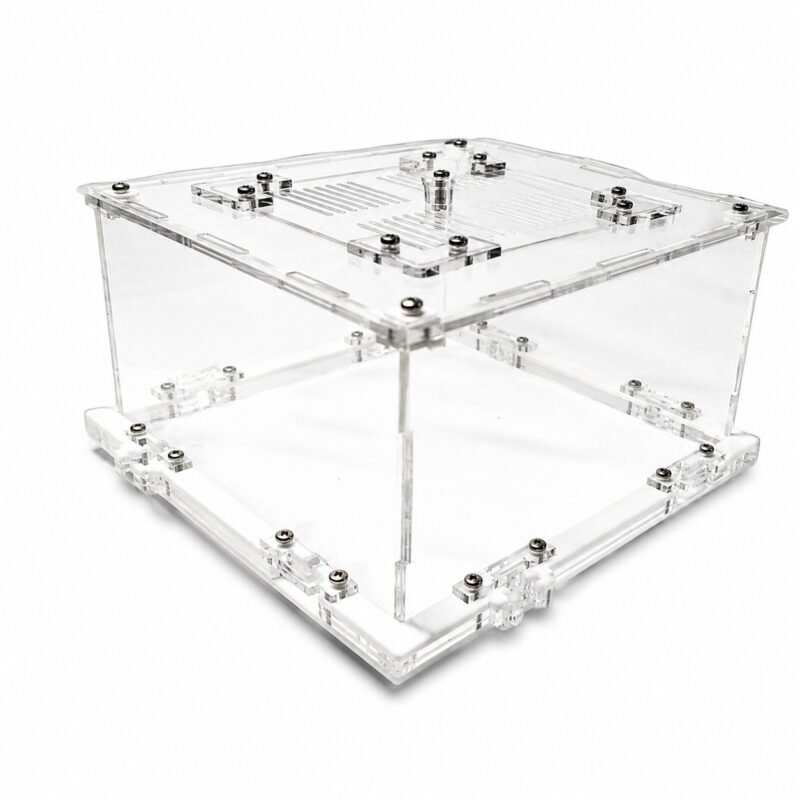
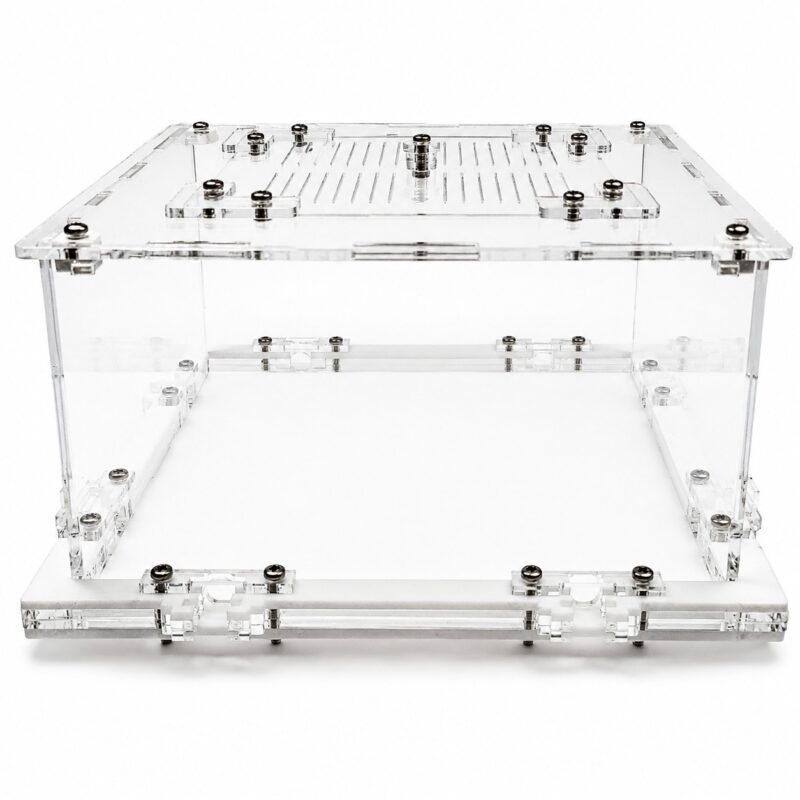
Found the colony in a test tube, then rehouse into a ytong or acrylic nest as it heads toward a couple of thousand workers. Coming from warm Indian country, it works the year round, so favour a humid nest pocket against a drier foraging arena and let the colony pick its spot. Ring the arena with a fluon (PTFE), oil, or talc-and-water barrier to keep the ants in. ANTonTOP formicaria and starter kits supply that humid nest and dry arena in one set, scaled to carry its larger workers.
Climate & wintering
Keep this ant at 20-28 °C with humidity around 50-70%, warming only one end so the colony can choose its spot along the gradient. It comes from warm country and stays active the year round, so there is no hibernation to schedule, just steady warmth and continued feeding through every season.
Growth forecast + what you receive
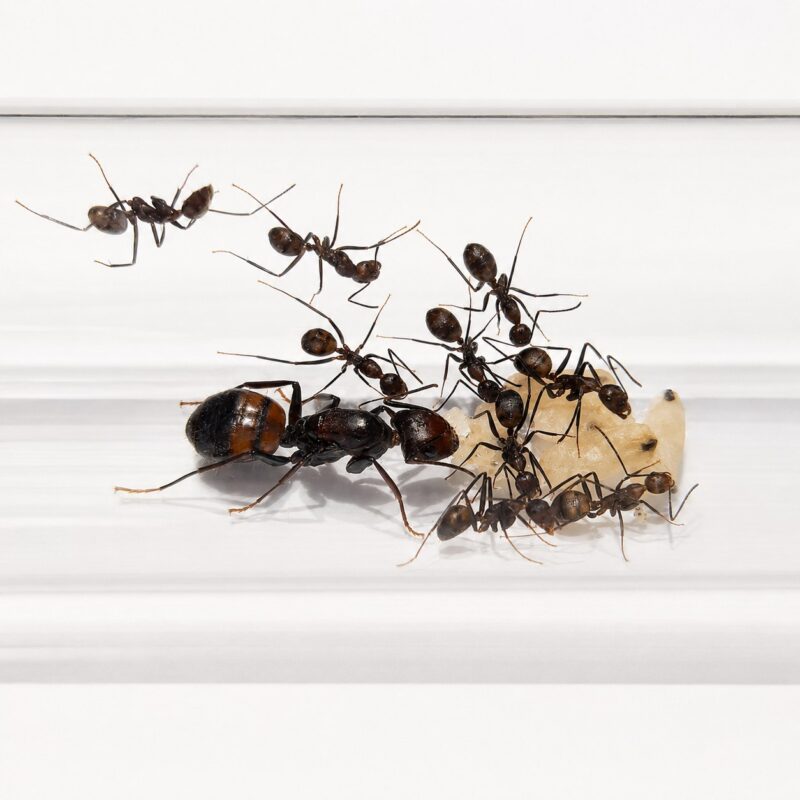
Growth is moderate and steady, building over time into a colony of up to 1,000-2,000 workers, the sizeable workers making for striking foraging trails. Your colony arrives as a queen with workers and brood, ready to move into a larger nest.
Did you know
- Aphaenogaster are slender, long-legged ants prized for their speed, ranking among the quickest ground-foraging scavengers.
- The genus is a well-known seed disperser, carrying off seeds tipped with a fatty elaiosome, eating that part and discarding the seed to sprout elsewhere.
- Many species use a simple tool trick with food, laying scraps of leaf or soil onto liquids to soak them up and carry them back to the nest.
- This is one of the larger-bodied Aphaenogaster, native to warm central Indian uplands where the colony stays active all year.
Frequently asked questions
Is this a good first ant?
It is rated Intermediate, well suited to a second or third colony.
Does Aphaenogaster schurri need a winter rest?
No, it is tropical and active year-round.
Does this Indian Aphaenogaster sting or bite?
Yes, it has a sting and a mild bite, but it is not aggressive.
How large can an Aphaenogaster schurri colony grow?
Up to 1,000-2,000 workers.
How large is the queen?
The queen measures 11-13 mm; workers are 5-9 mm.
How fast does it grow?
At a moderate, steady pace for the genus.
What does it eat?
Insects for protein, sugar water or nectar for energy, plus seeds.
Will my colony arrive alive?
Yes, sent with a heat or cool pack, dispatched within 24 hours and tracked.
Keeping & shipping essentials
Escape prevention. Coat the inner rim of every open arena with fluon (PTFE), or use talc-and-water or an oil barrier as a backup, and keep a tight, fine-mesh lid on top. Check the barrier regularly, since dust, condensation and feeding debris break a fluon line over time. Keep tubing connectors tight and seal any gaps in the nest.
Keeping reminders. Always offer fresh water and never let the nest dry out completely. Give carbohydrates continuously and protein a few times a week, and remove uneaten insect prey within 24 hours before it moulds. Keep the formicarium out of direct sunlight and away from constant vibration, which stresses a young colony. A water-filled test tube plugged with cotton makes an ideal spare incubator whenever you need one.
Before you buy – do not rehouse too early. Have a test-tube setup or a small formicarium with an outworld and a working barrier ready before your colony arrives. A founding colony grows slowly at first, which is normal. Moving a small colony into a large nest too soon invites mould, mites and stress, and the workers die off one by one. Keep the colony in its open test tube on the arena, plug the nest entrance with cotton, and open up the next chambers only once the colony fills roughly 10-15% of the space.
What we ship. Every colony ships with a live-arrival guarantee, backed by our 24h unboxing-video guarantee: if the queen does not arrive alive, we reship free. Parcels travel with DHL, InPost (PL) or EMS, with a heat or cold pack to suit the season, packed discreetly and securely. We ship across the EU and worldwide, with free shipping over the Europe threshold.

Reviews
Clear filtersThere are no reviews yet.