
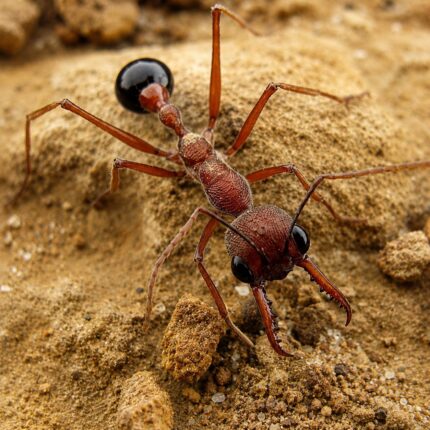
Myrmecia tarsata
2137,90 zł – 4279,90 złPrice range: 2137,90 zł through 4279,90 zł
Live Queen Guarantee
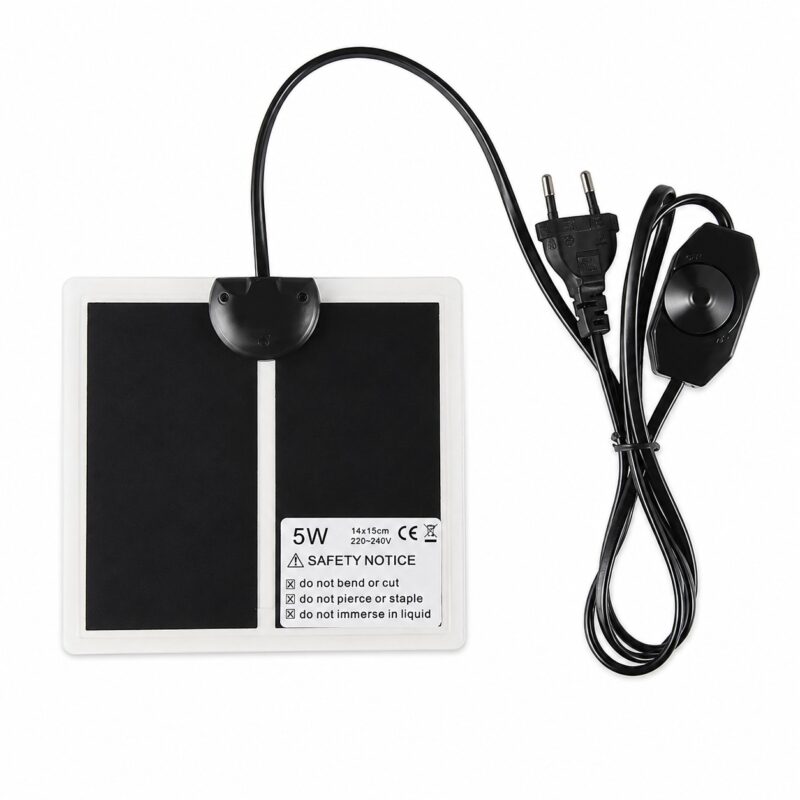
Heat Pack & Summer Cooling
Fertilised Queen in Every Colony
Ships Within 24 h
Free Care Guide
24/7 Expert Support
Description
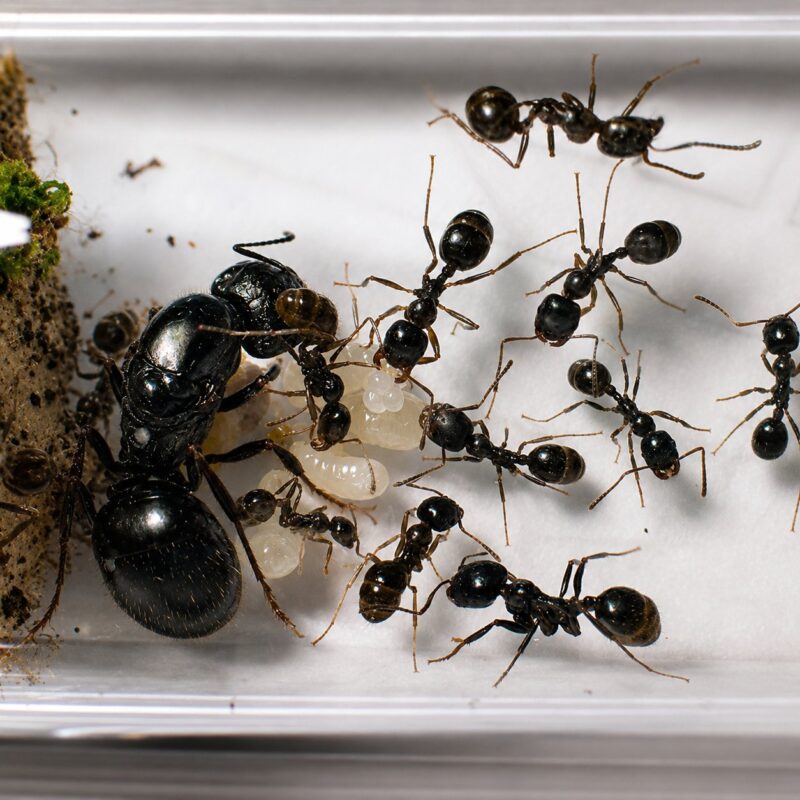
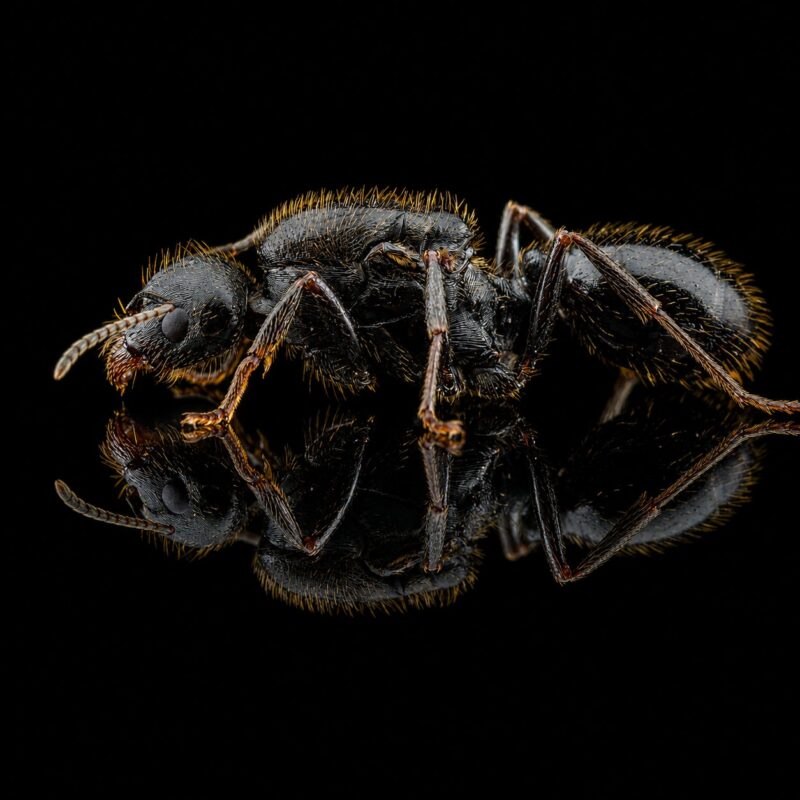
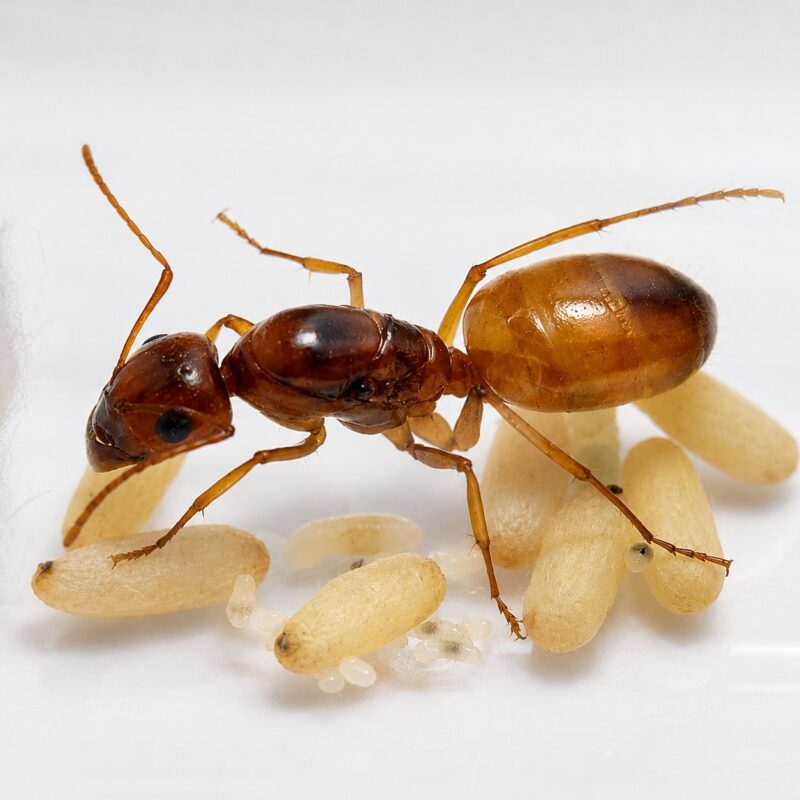
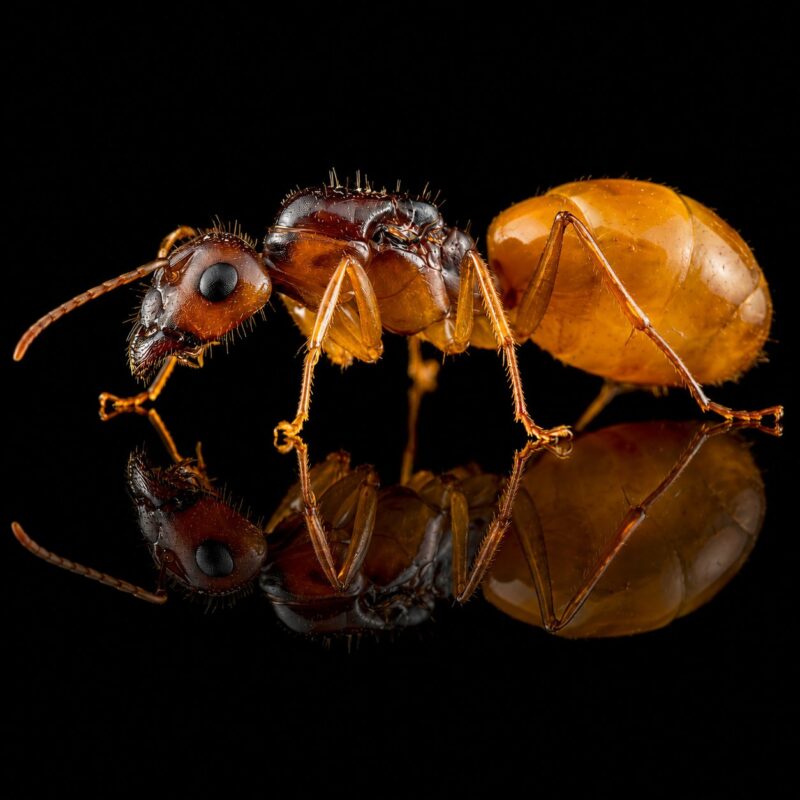
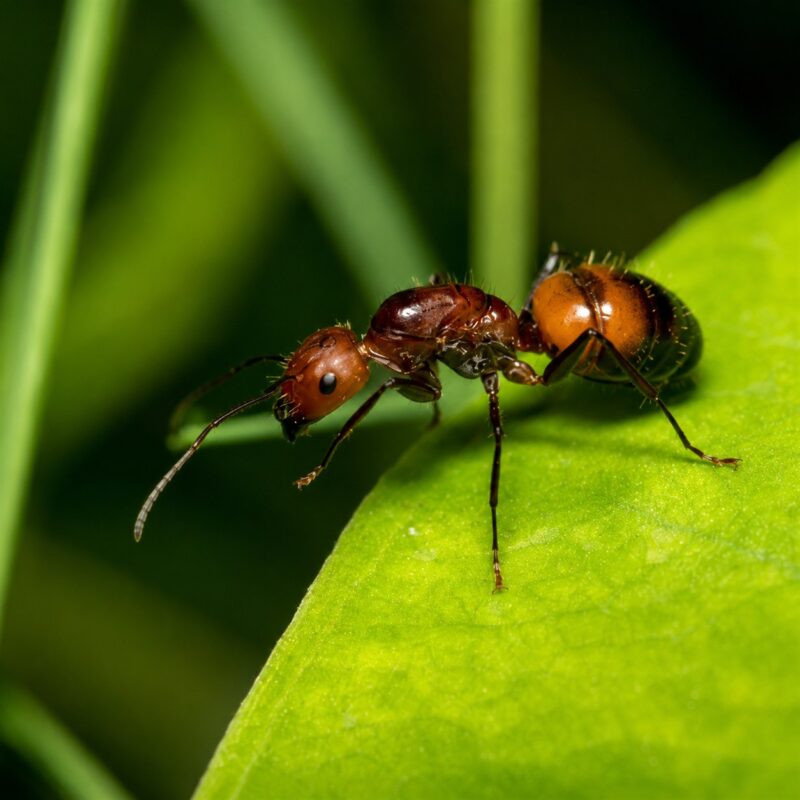
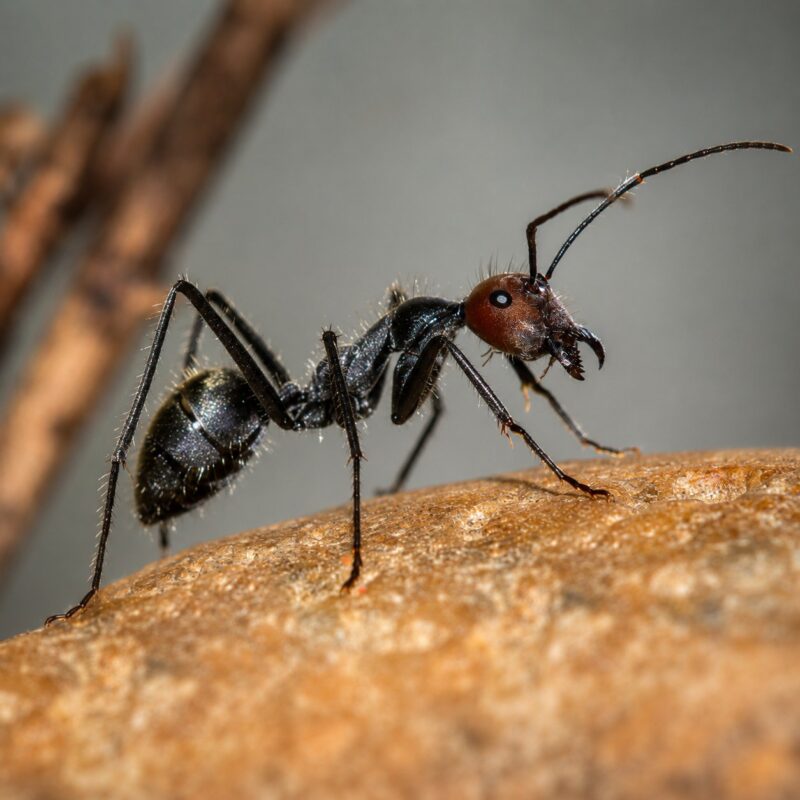
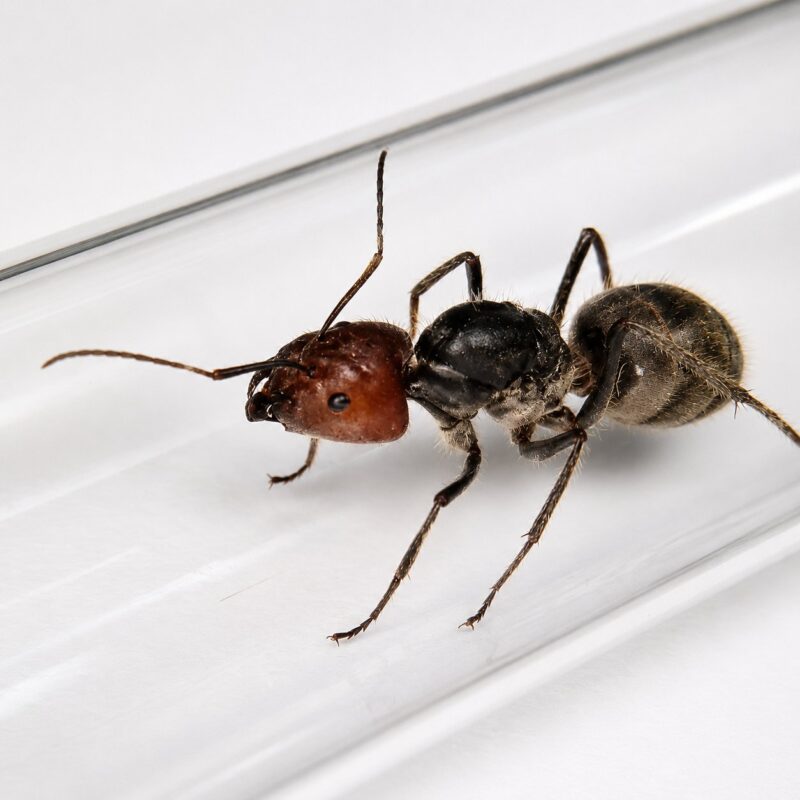
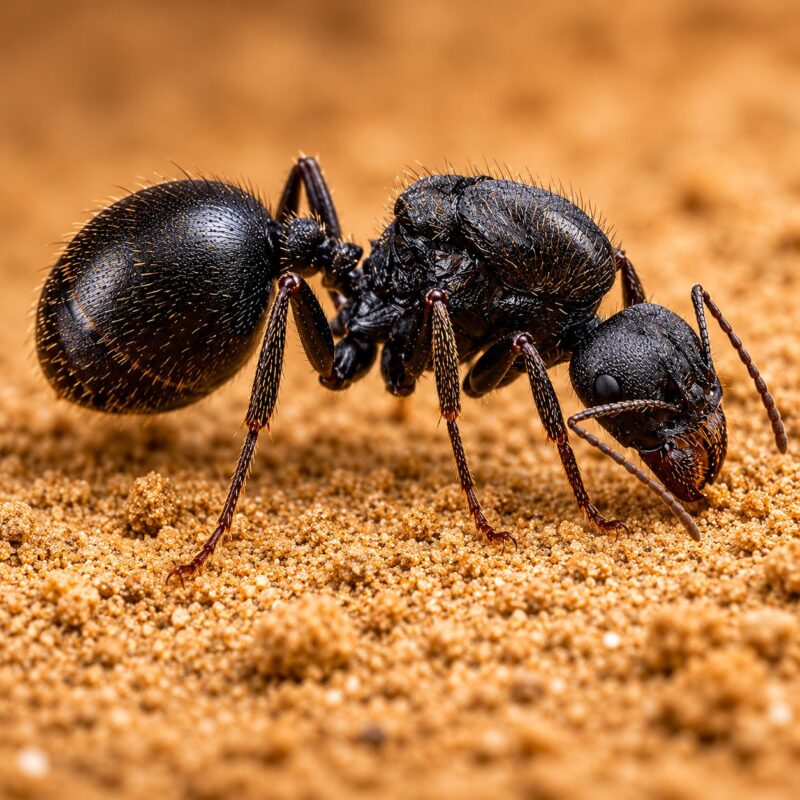
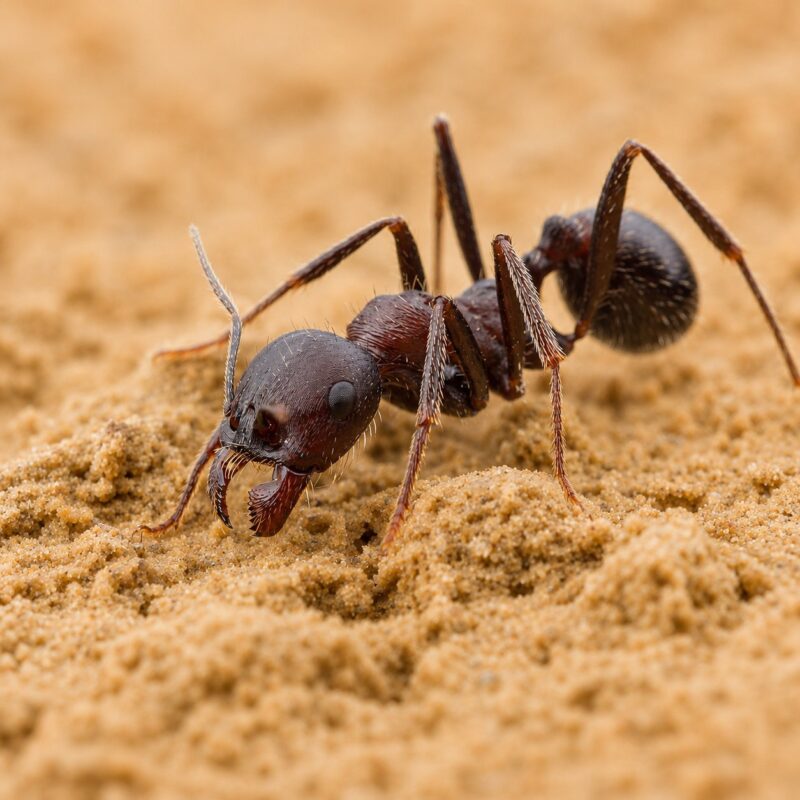
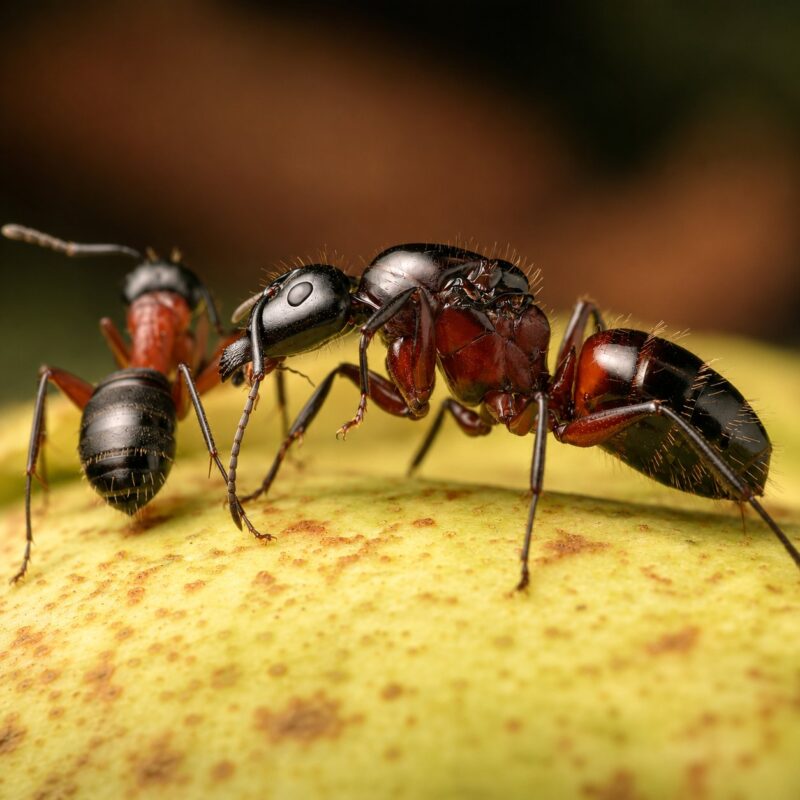
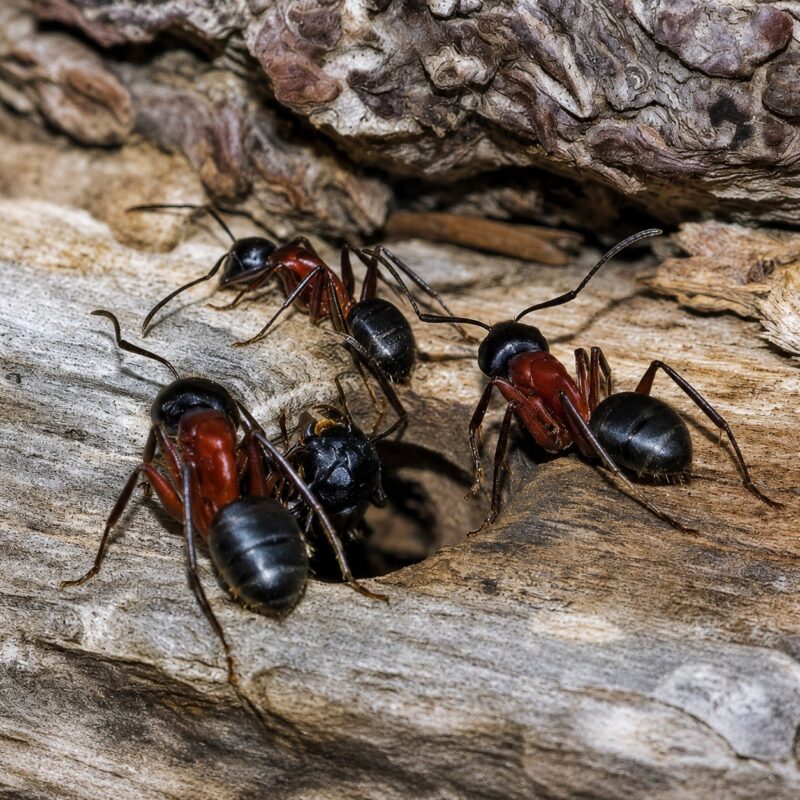
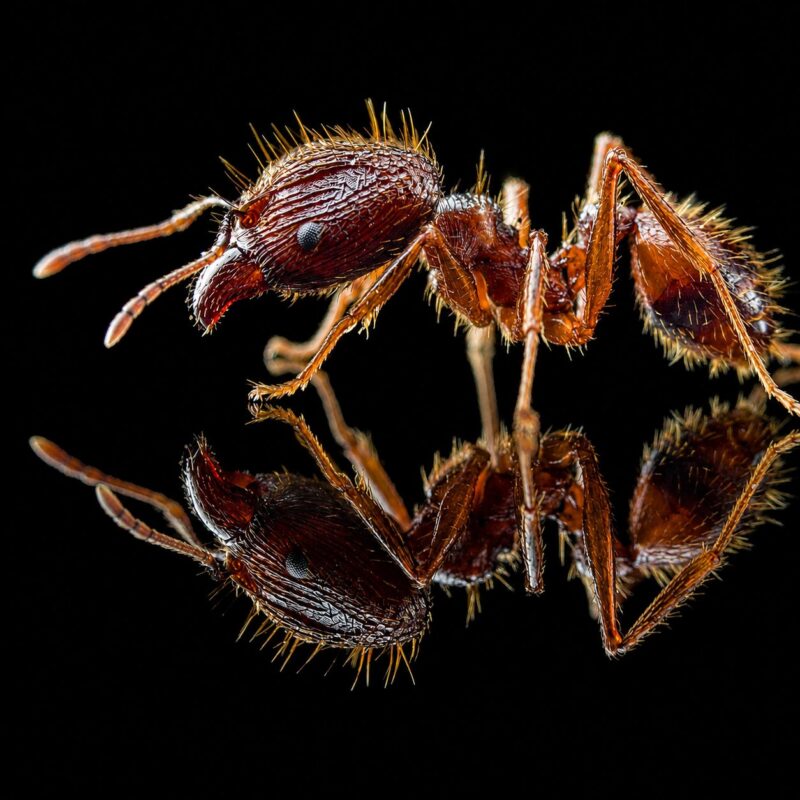
Myrmecia tarsata is a bold, day-active Australian bull ant you can watch hunt in full light, large and sharp-eyed. Get Myrmecia tarsata at ANTonTOP for a striking single-queen colony.
Free shipping across Europe over 1299 zł.
DHL / InPost / EMS · ships the EU & worldwide.
Crazy · Q 17-20 mm / W 15-18 mm · Up to 1,000 workers · Not required · Predator · Australia · Sting (painful, Schmidt 2-3)
Additional information
| Behavior | |
|---|---|
| Keeping difficulty | |
| Origin | |
| Ant size | |
| Hibernation | |
| Sting |
Has sting |
Myrmecia tarsata – Bull ant
| Origin | Australia |
|---|---|
| Difficulty | Crazy |
| Colony form | Monogyne (1 queen) |
| Max workers | Up to 1,000 workers |
| Queen | 17-20 mm |
| Worker | 15-18 mm |
| Soldier / major | – |
| Founding | Semi-claustral |
| Temperature | Nest 20-25 °C / Arena 22-27 °C |
| Humidity | Nest 55-70% / Arena 45-60% |
| Hibernation | Not required |
| Diet | Predator |
| Sting / bite | Sting (painful, Schmidt 2-3) |
| Egg to first worker | up to ~26 weeks (up to 6 months) |
| Queen lifespan | up to 15 years (genus) |
| Nuptial flight | mid-summer to autumn (Jan-Apr, genus) |
| Activity | diurnal |
Myrmecia tarsata is a day-active Australian bull ant with bold, eyes-on-you behaviour and a sting that keeps you honest.
Why this species
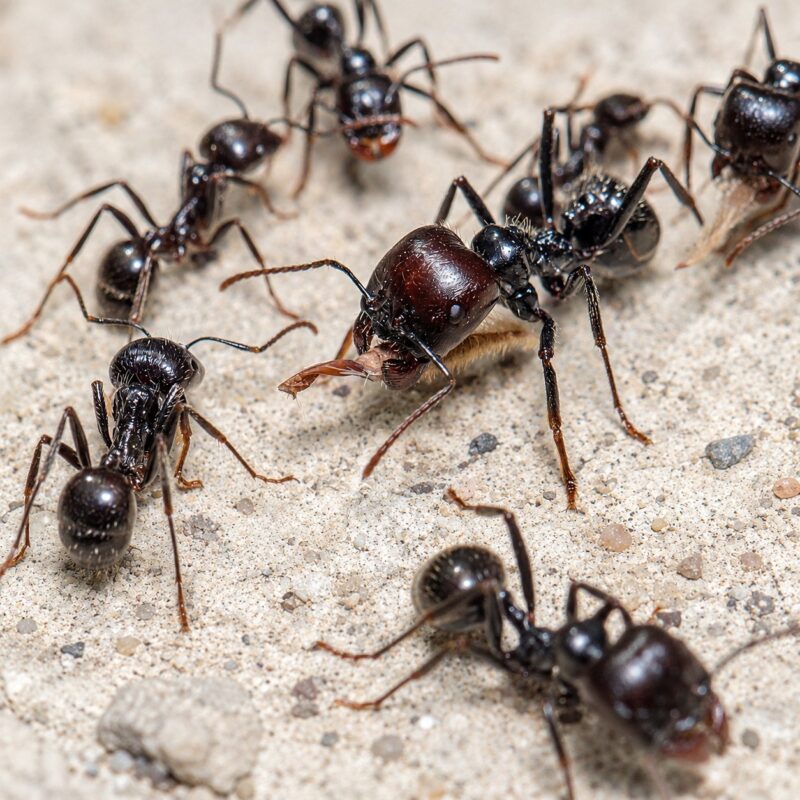
This is a bull ant with attitude: Myrmecia tarsata is diurnal and alert, the kind of colony that turns to face you and tracks your hand across the arena. It hunts by sight in daylight, which makes for an engaging display compared with the night-active members of the genus. Founding is semi-claustral, so the queen forages while she raises her first brood, and the early stage stays hands-on. The sting lands hard and the Crazy rating is earned, so it suits keepers who already manage defensive genera and want a striking single-queen colony with real presence.
Feeding
A daytime visual hunter that runs down live and freshly killed insects and carries them home for the brood. Foraging workers also drink sugar water and nectar for their own energy, putting the protein toward larval growth.
| Live / fresh crickets | ★★★ |
| Cockroaches (Dubia / Turkish) | ★★★ |
| Fruit flies | ★★★ |
| Mealworms | ★★★ |
| Houseflies / moths | ★★★ |
| Sugar water / nectar | ★★ |
| Honey | ★★ |
| Boiled egg yolk | ★ |
| Soft fruit | ★ |
| Soft seeds (poppy, sesame) | ✗ |
| Hard seeds (canary, millet) | ✗ |
★★★ readily · ★★ moderately · ★ occasionally · ✗ not eaten
Housing & formicarium
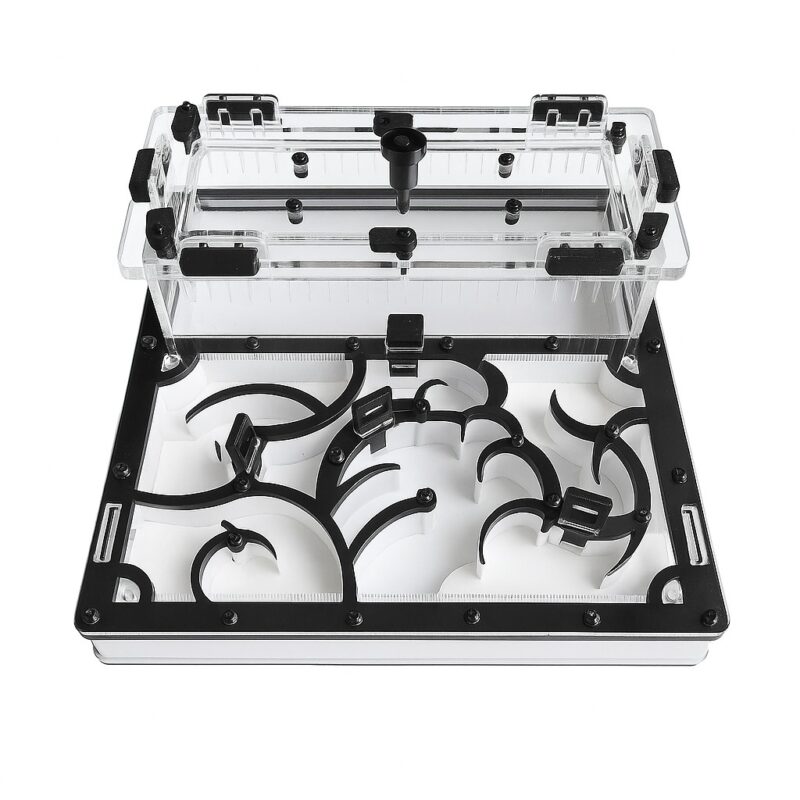
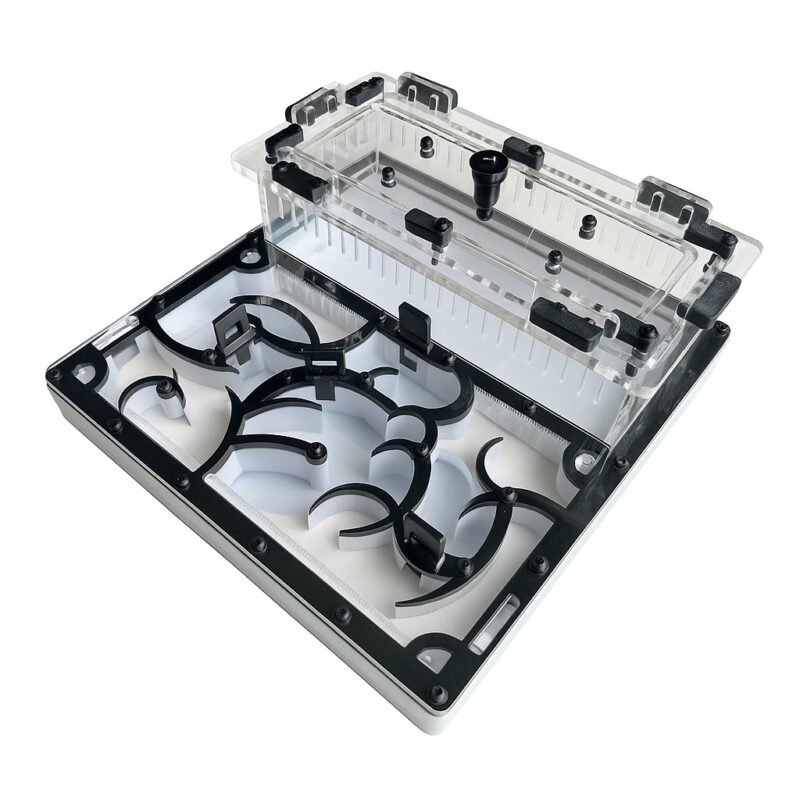
Start a young colony in a small ytong or acrylic nest with a roomy foraging arena, since these active diurnal hunters need ground to chase prey across. Upgrade the nest only once workers fill the current footprint and brood stacks up, so a large empty space never overwhelms a small group. Coat the arena rim with fluon (PTFE), or talc and water, because this fast, strong genus tests its boundaries. ANTonTOP formicaria and starter kits are built around exactly this nest-plus-arena pairing, barrier included.
Climate & wintering
Keep the nest at 20-25 °C and let the arena run warmer at 22-27 °C. Hold nest humidity at 55-70% and keep the arena drier at 45-60%. A gentle gradient from heating one end only lets the ants settle where they like. No winter rest is required, so keep them active year-round and feed as normal.
Growth forecast + what you receive
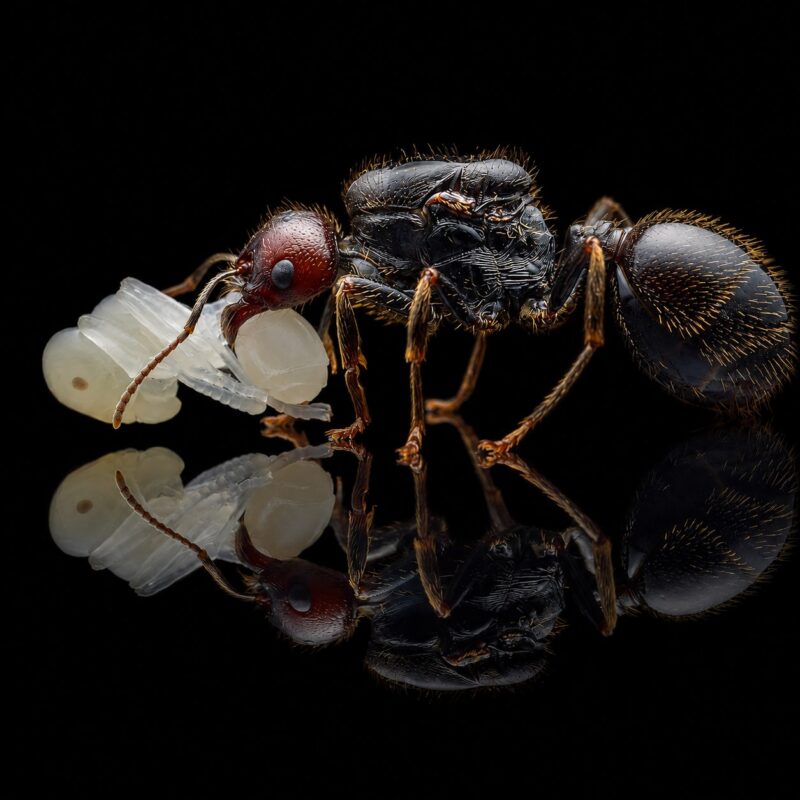
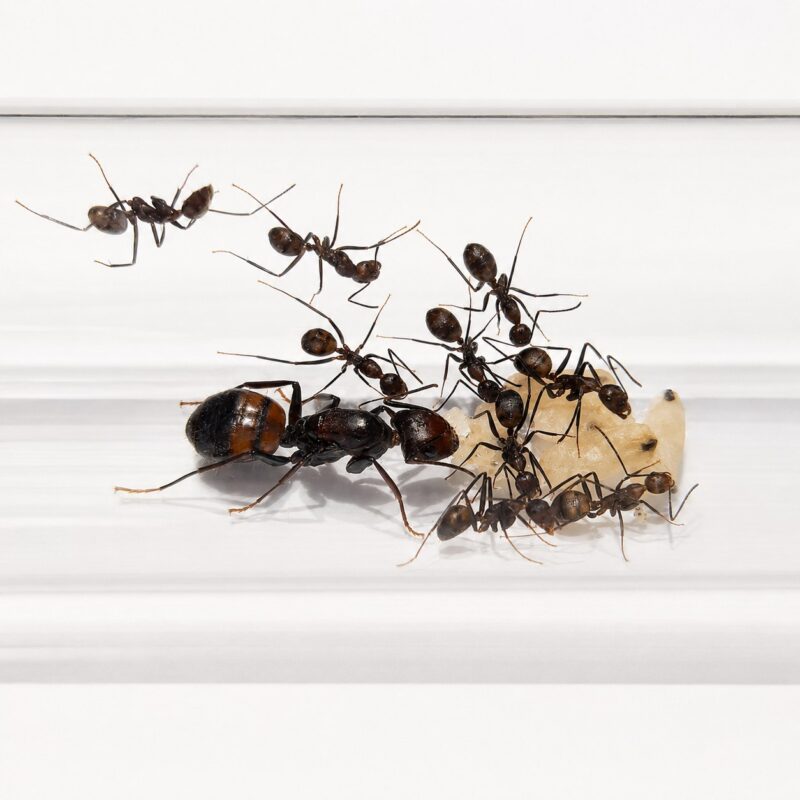
Expect a measured, steady climb rather than a rush, with a mature colony reaching up to 1,000 workers. Genus queens can live up to 15 years, so the slow pace pays off over a long span. The colony comes as a queen with workers and brood, a settled start beyond the fragile founding phase.
Did you know
- Bull ants have the large forward-facing eyes the genus is known for, giving them depth perception rare among ants.
- Day-active species like this one let you observe their visual hunting in the open rather than only at night.
- Myrmecia retains primitive traits, including solitary foragers that work alone instead of laying recruitment trails.
- The venom of the genus is potent enough to cause severe reactions in sensitive people, so the sting deserves respect.
Frequently asked questions
Is Myrmecia tarsata good for beginners?
No, it is rated Crazy in difficulty, semi-claustral, and stings, so it suits experienced keepers.
Does Myrmecia tarsata need a winter rest?
No, hibernation is not required; keep it active and feeding year-round.
Does this bull ant sting or bite?
Yes, it has a painful sting rated Schmidt 2-3, so handle the setup with care.
How big does a Myrmecia tarsata colony get?
Up to 1,000 workers at maturity.
How large is the queen?
The queen is 17-20 mm; workers are 15-18 mm.
How fast does Myrmecia tarsata grow?
It grows at a steady, measured pace typical of bull ants rather than rapidly.
What does it eat?
Sugar water or nectar plus live insects like crickets and flies; it does not take seeds.
Will it arrive alive?
Yes, it ships with a heat or cool pack, within 24 h, with tracking for live arrival.
Keeping & shipping essentials
Escape prevention. Coat the inner rim of every open arena with fluon (PTFE), or use talc-and-water or an oil barrier as a backup, and keep a tight, fine-mesh lid on top. Check the barrier regularly, since dust, condensation and feeding debris break a fluon line over time. Keep tubing connectors tight and seal any gaps in the nest.
Keeping reminders. Always offer fresh water and never let the nest dry out completely. Give carbohydrates continuously and protein a few times a week, and remove uneaten insect prey within 24 hours before it moulds. Keep the formicarium out of direct sunlight and away from constant vibration, which stresses a young colony. A water-filled test tube plugged with cotton makes an ideal spare incubator whenever you need one.
Before you buy – do not rehouse too early. Have a test-tube setup or a small formicarium with an outworld and a working barrier ready before your colony arrives. A founding colony grows slowly at first, which is normal. Moving a small colony into a large nest too soon invites mould, mites and stress, and the workers die off one by one. Keep the colony in its open test tube on the arena, plug the nest entrance with cotton, and open up the next chambers only once the colony fills roughly 10-15% of the space.
What we ship. Every colony ships with a live-arrival guarantee, backed by our 24h unboxing-video guarantee: if the queen does not arrive alive, we reship free. Parcels travel with DHL, InPost (PL) or EMS, with a heat or cold pack to suit the season, packed discreetly and securely. We ship across the EU and worldwide, with free shipping over the Europe threshold.

Reviews
Clear filtersThere are no reviews yet.