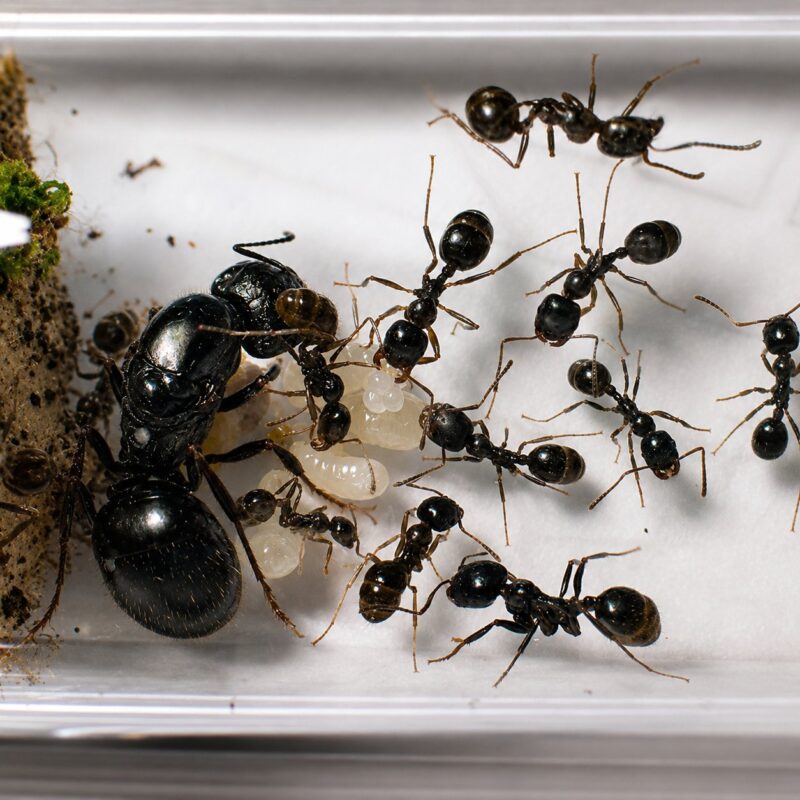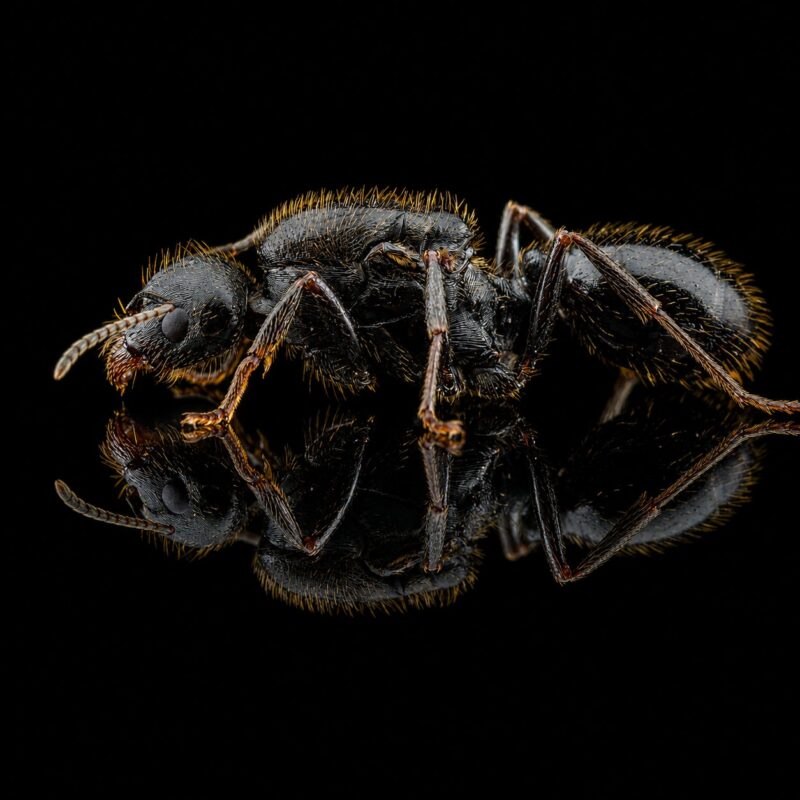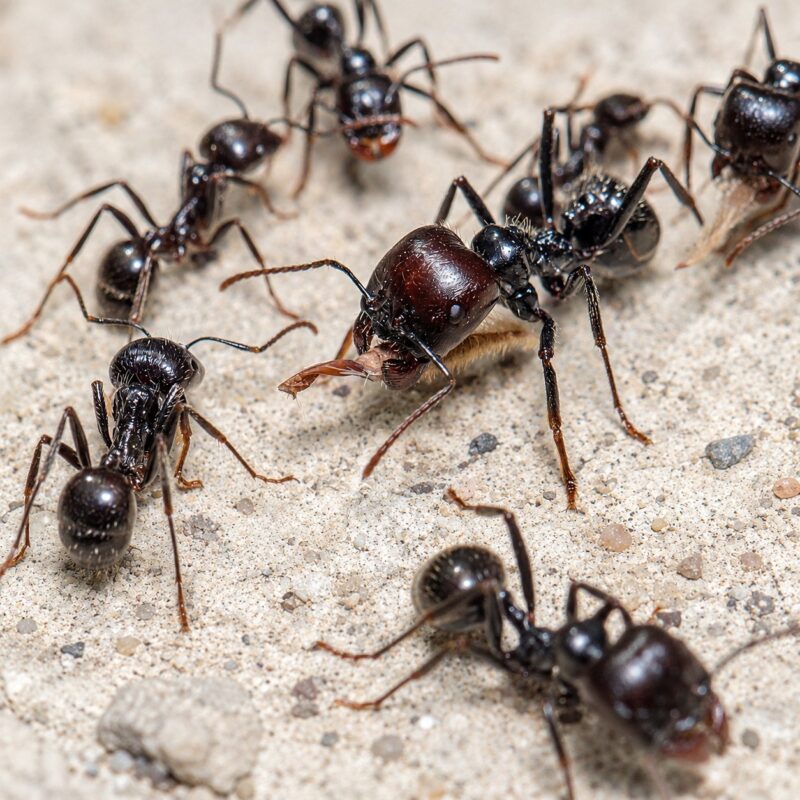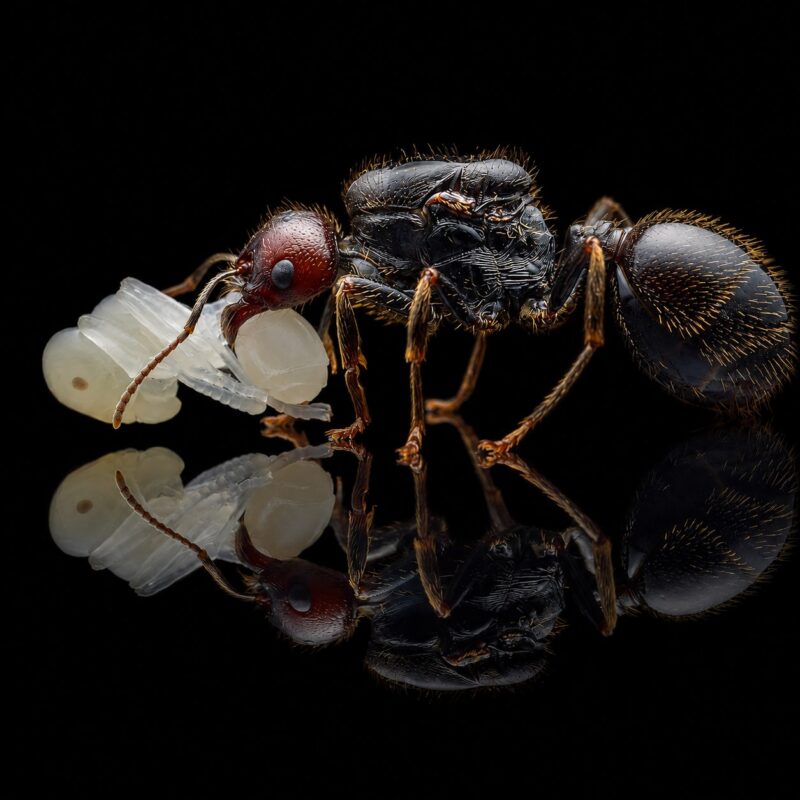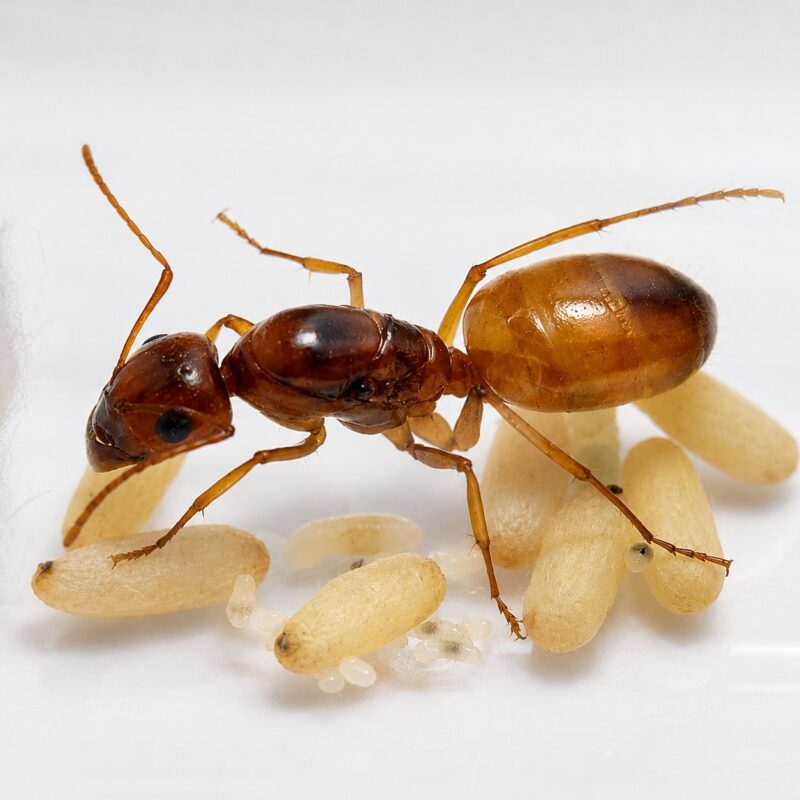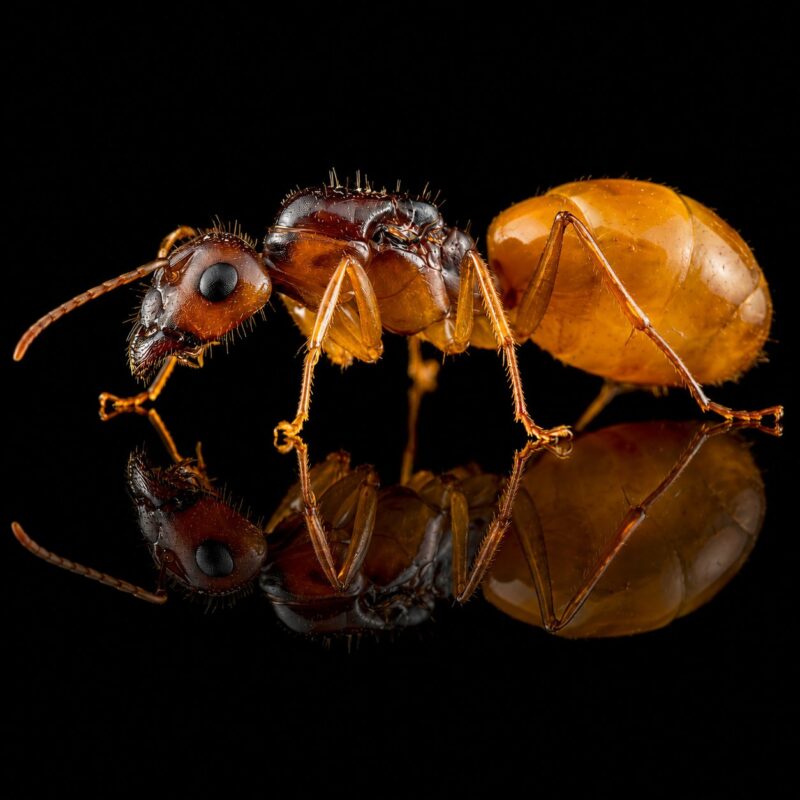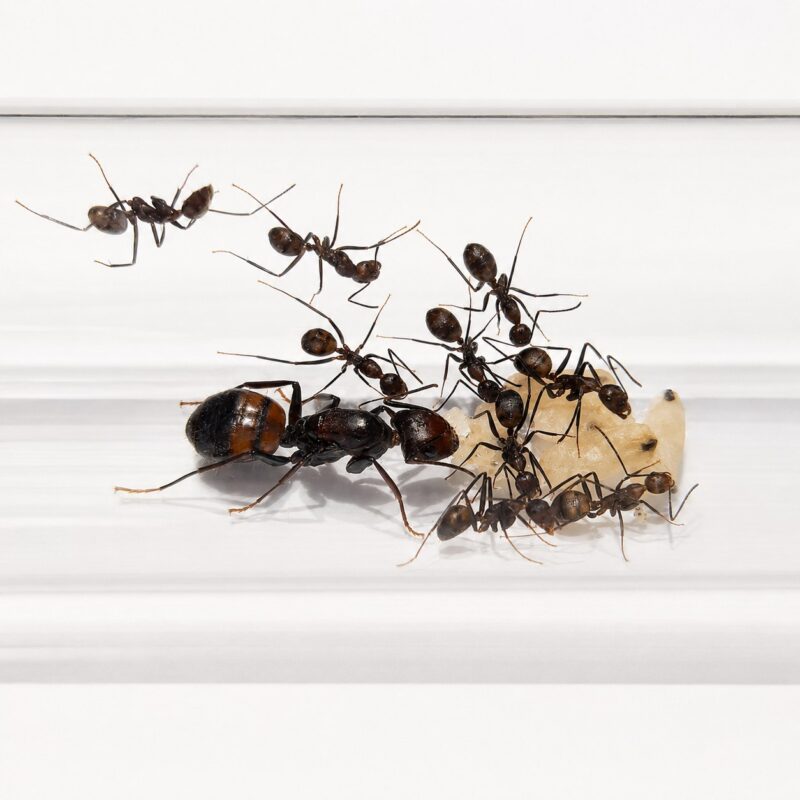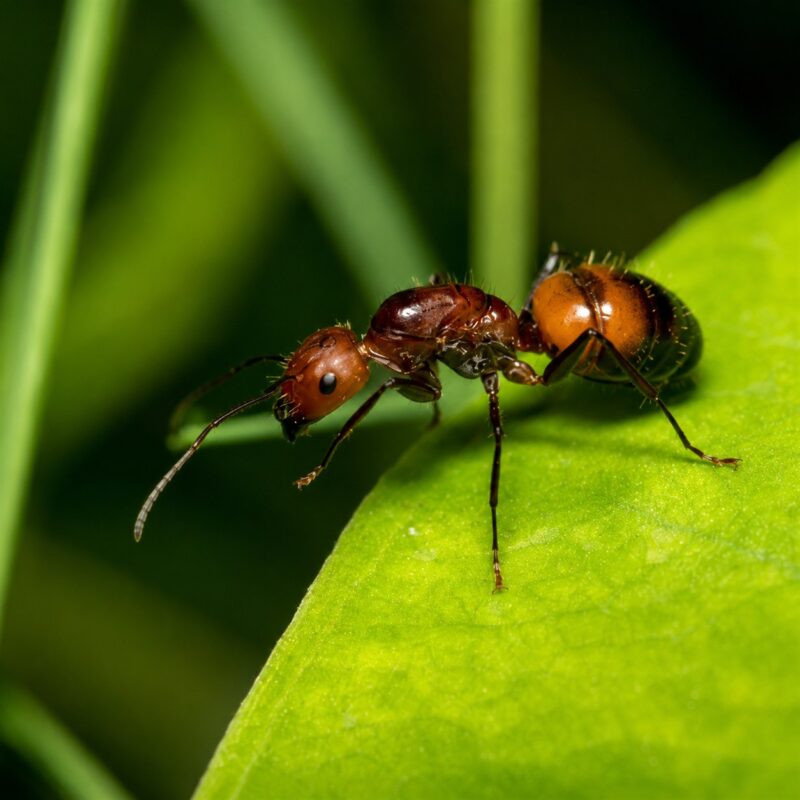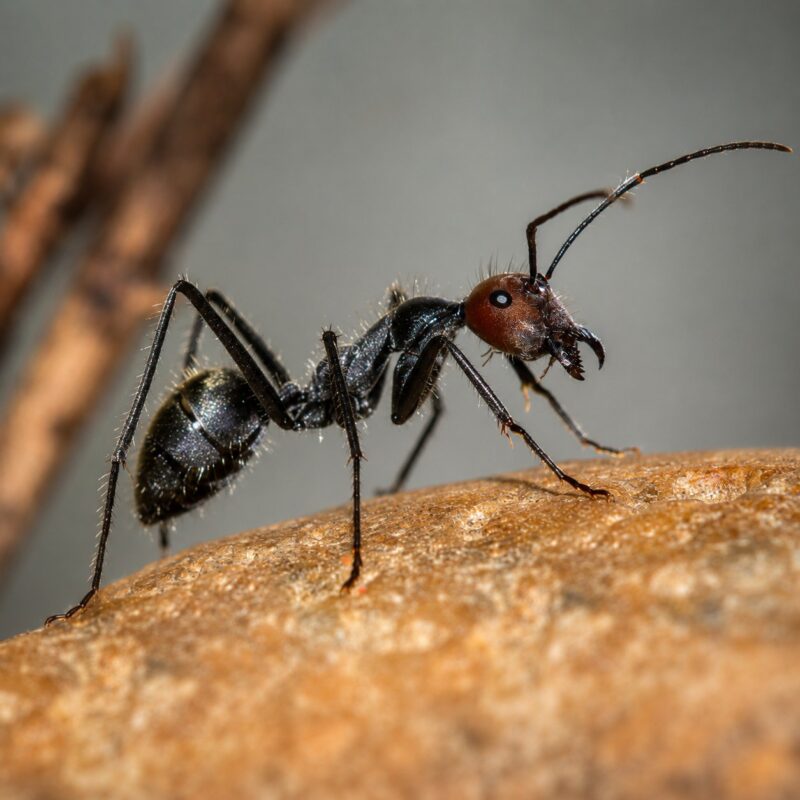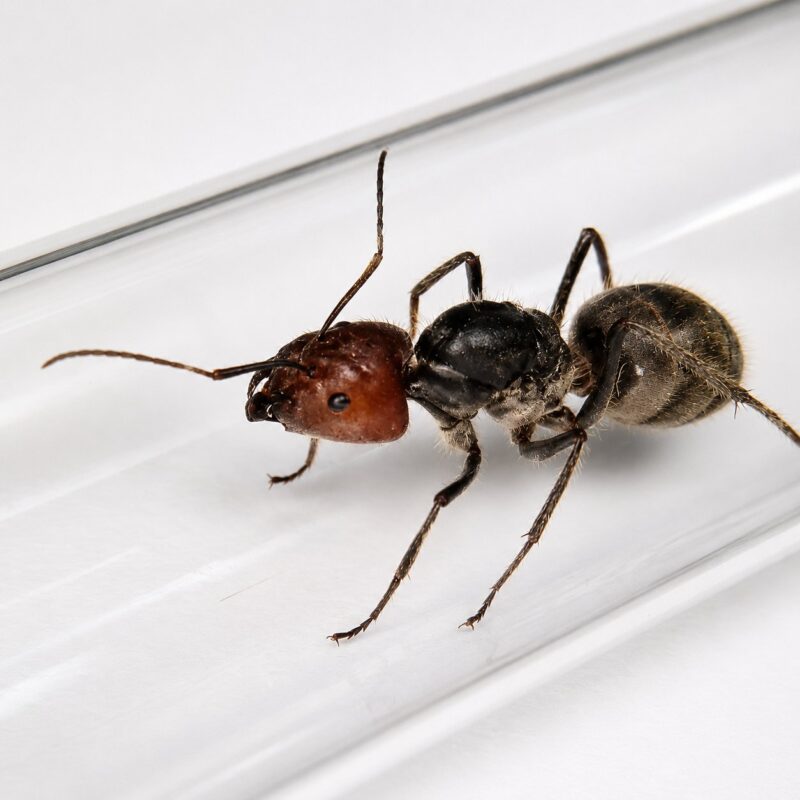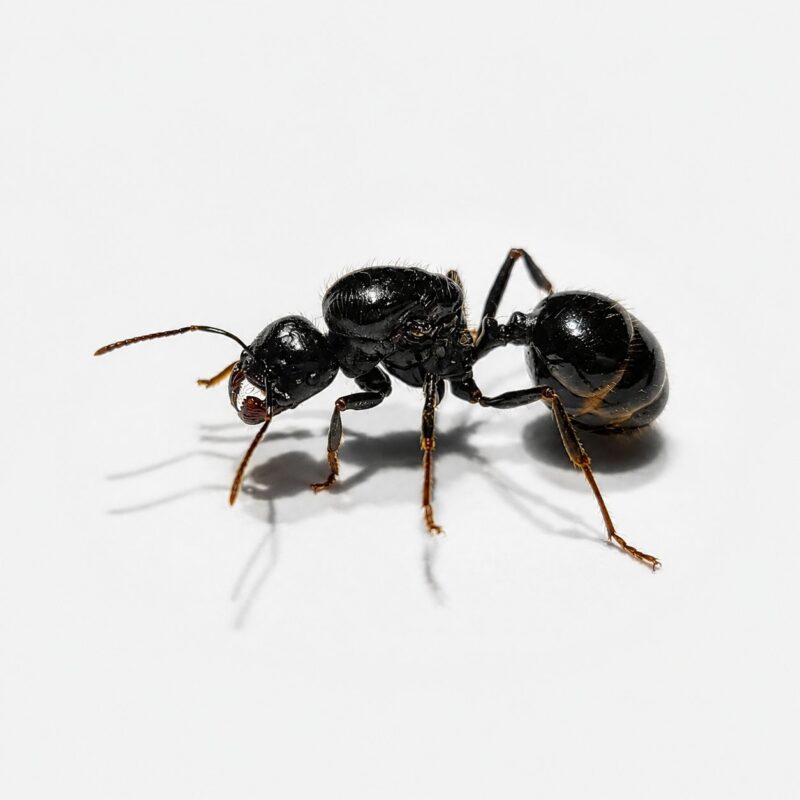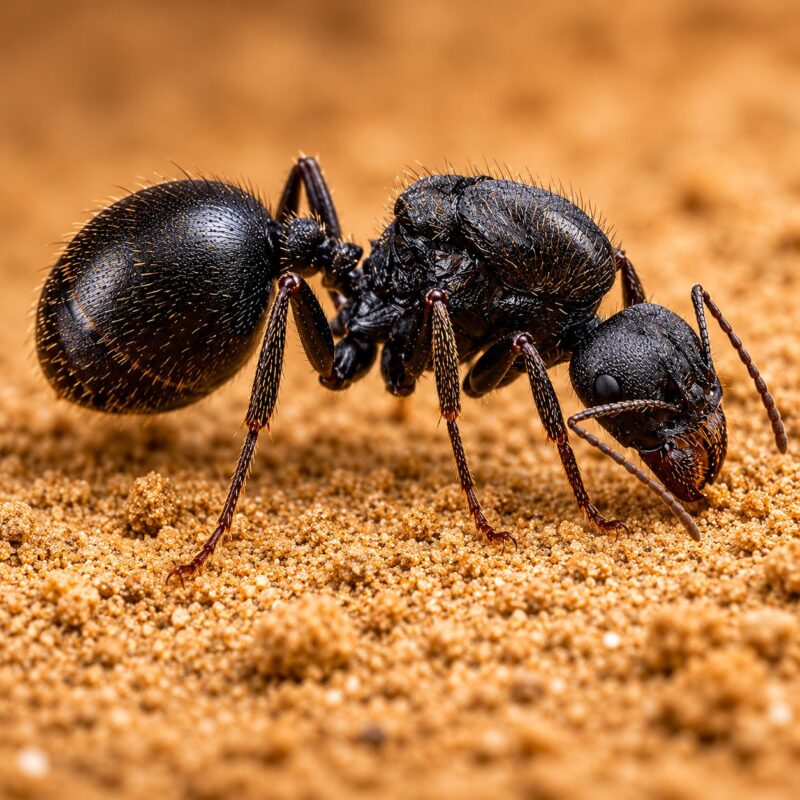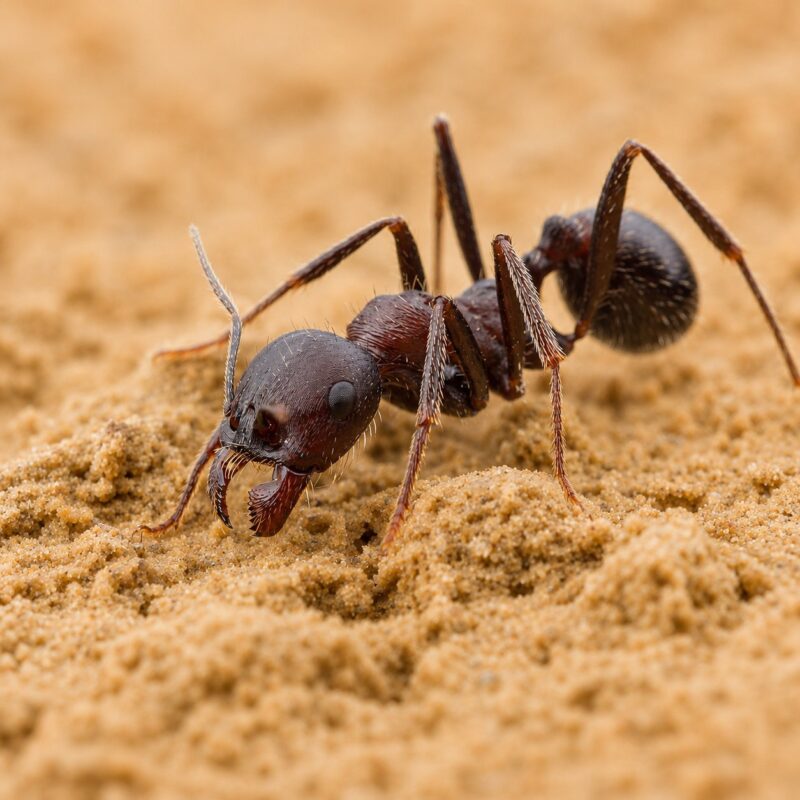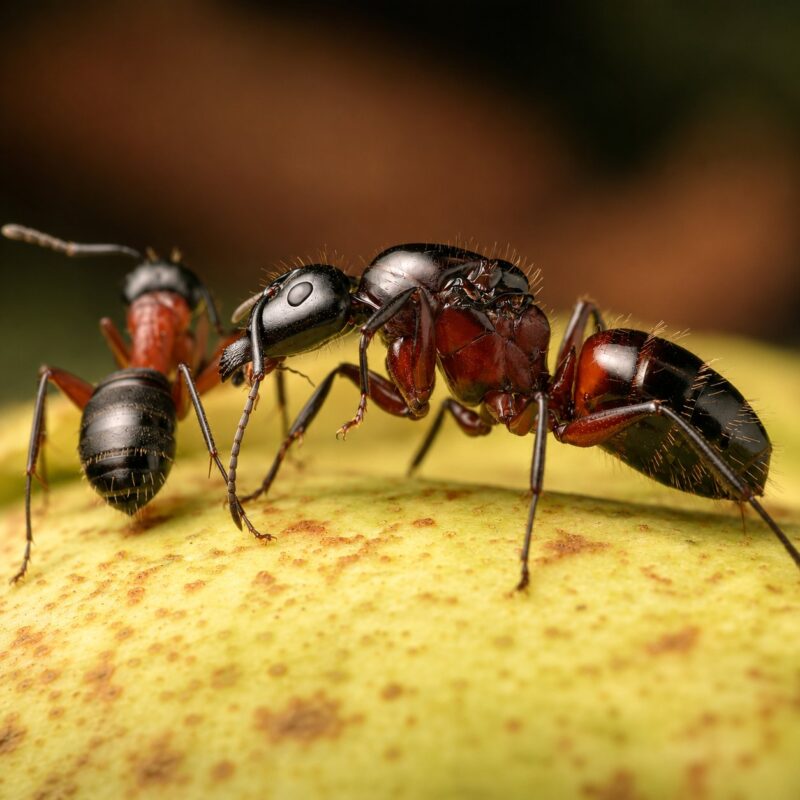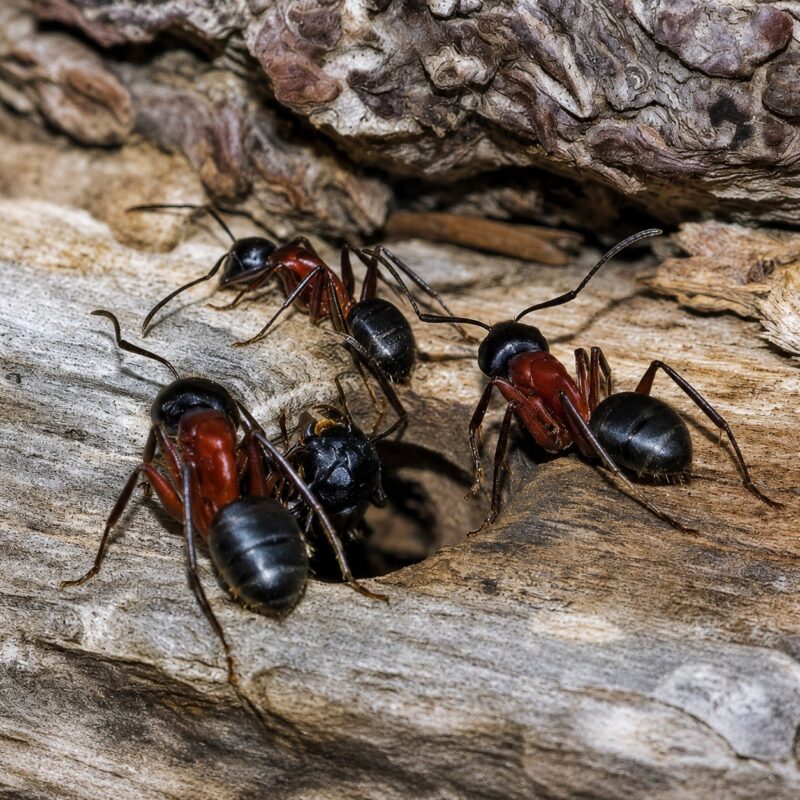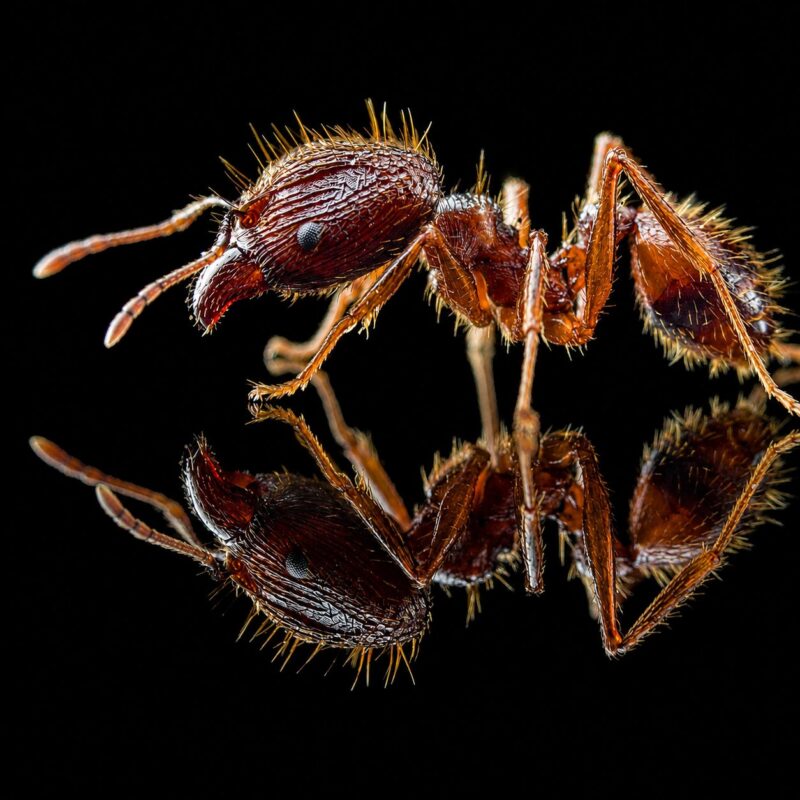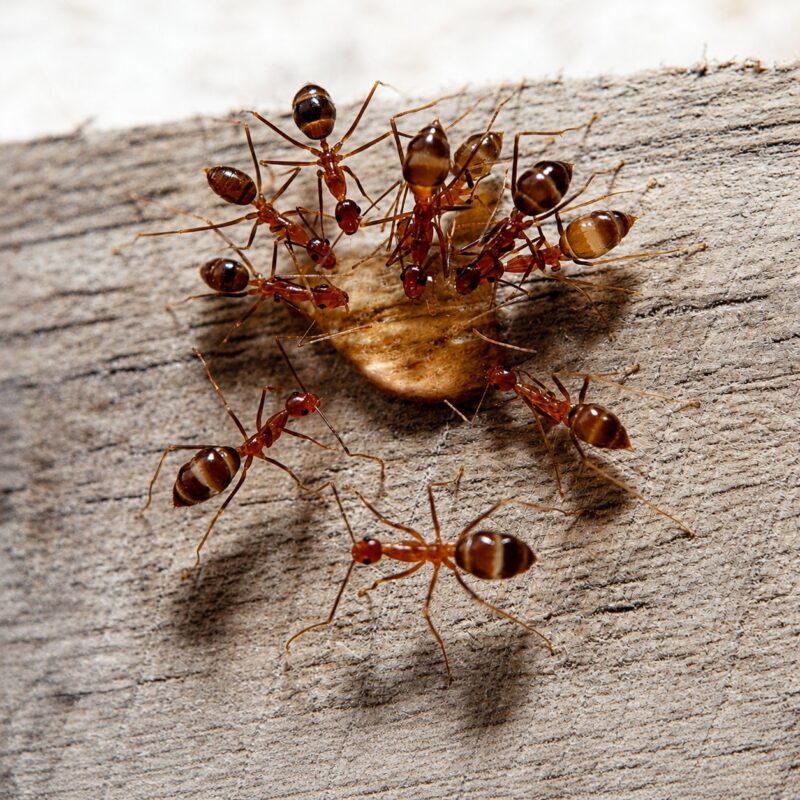

Patagonomyrmex angustus
589,90 zł – 999,90 złPrice range: 589,90 zł through 999,90 zł
Live Queen Guarantee
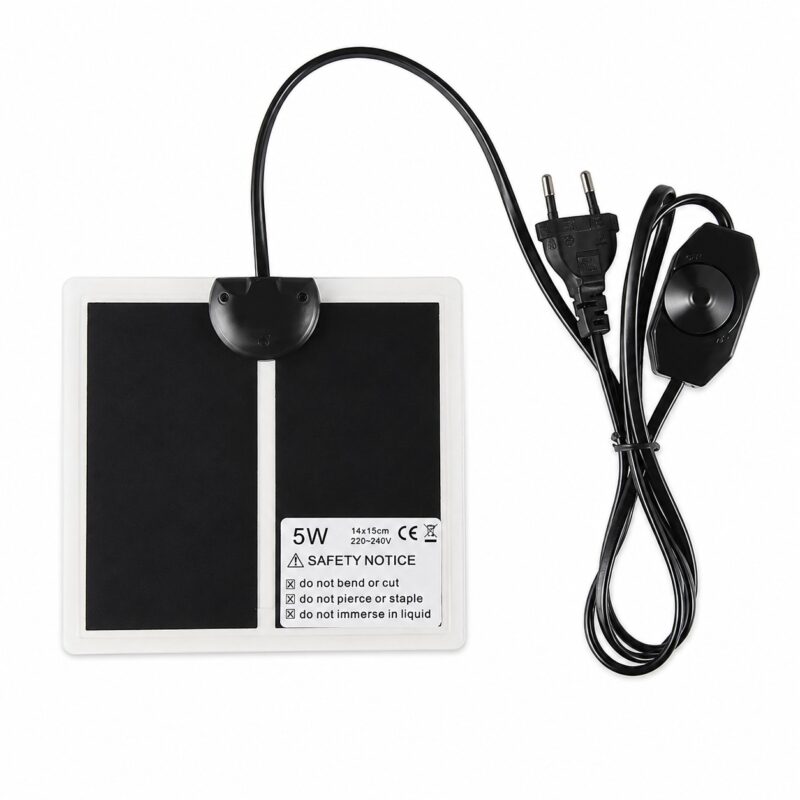
Heat Pack & Summer Cooling
Fertilised Queen in Every Colony
Ships Within 24 h
Free Care Guide
24/7 Expert Support
Description
Watch a multi-queen harvester ease into a brief cool rest and pick up again each spring, a gentle seasonal rhythm most tropical ants never show. Add this rare cold-climate colony of Patagonomyrmex angustus from ANTonTOP.
Free shipping across Europe over 1299 zł.
DHL / InPost / EMS · ships the EU & worldwide.
Intermediate · Q 8-11 mm / W 5-8 mm · Up to 3,000 workers · Light diapause – brief cool rest · Granivore · Patagonia (South America) · Sting (mild), mild bite
Additional information
| Behavior | |
|---|---|
| Keeping difficulty | |
| Origin | |
| Ant size | |
| Hibernation | |
| Sting |
Has sting |
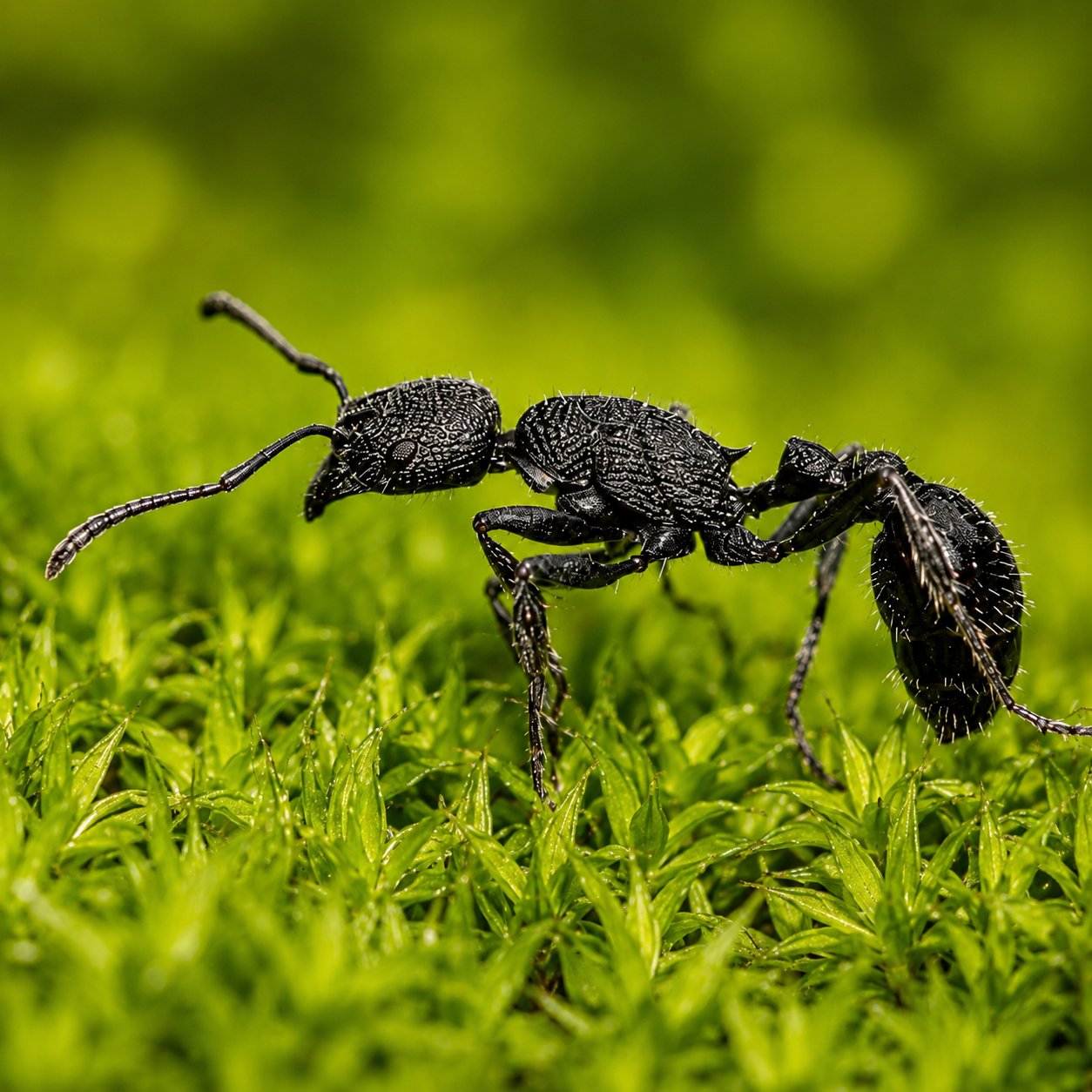
Patagonomyrmex angustus
| Origin | Patagonia (South America) |
|---|---|
| Difficulty | Intermediate |
| Colony form | Polygyne (2+ queens) |
| Max workers | Up to 3,000 workers |
| Queen | 8-11 mm |
| Worker | 5-8 mm |
| Soldier / major | – |
| Founding | Claustral |
| Temperature | Nest 20-25 °C / Arena 22-28 °C |
| Humidity | Nest 40-55% / Arena 25-45% |
| Hibernation | Light diapause – brief cool rest |
| Diet | Granivore |
| Sting / bite | Sting (mild), mild bite |
| Egg to first worker | 3-5 weeks |
| Queen lifespan | 5-10 years |
| Nuptial flight | Oct-May (sexuals present; Oct-Nov Chile, Nov-May Argentina) |
| Activity | diurnal |
Patagonomyrmex angustus is a hardy harvester-type ant from the cold south of South America, built for keepers who enjoy a gently seasonal colony with multiple queens.
Why this species
What makes this one stand out is its rhythm: coming from properly cold-climate Patagonia, it shows a distinct seasonal cycle that most tropical ants never do, easing into a brief cool rest and surging back in the warm months. It is a seed-eating harvester that runs polygyne, so two or more egg-laying queens can build the population faster and more steadily. Once established it becomes a busy, active colony. Its dry granary care and low humidity are what lift it out of the beginner tier into Intermediate, so it suits a keeper who already has one founding behind them; get the setup right and the rest is straightforward.
Feeding
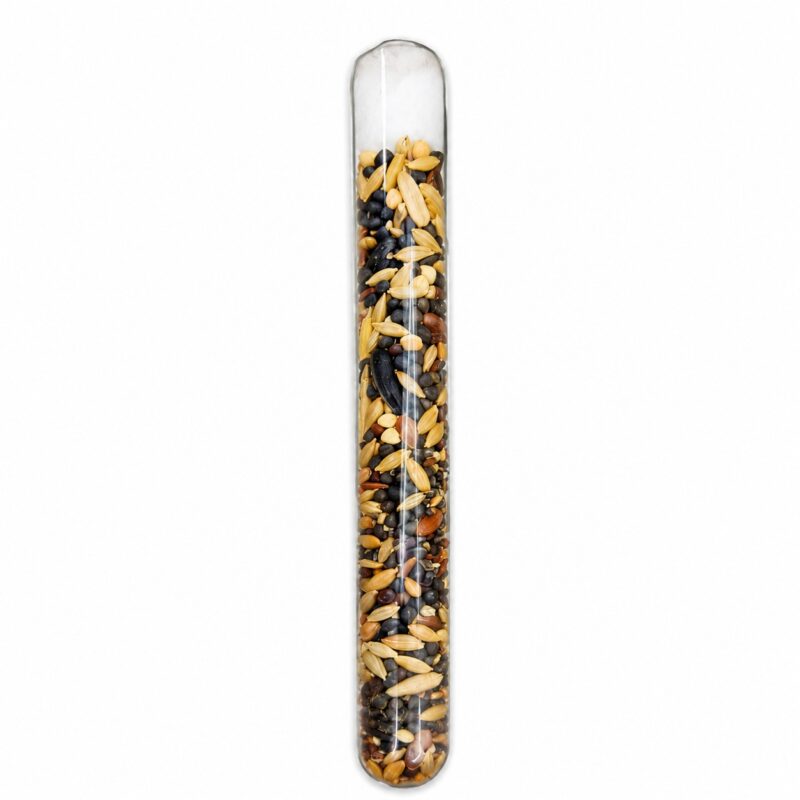
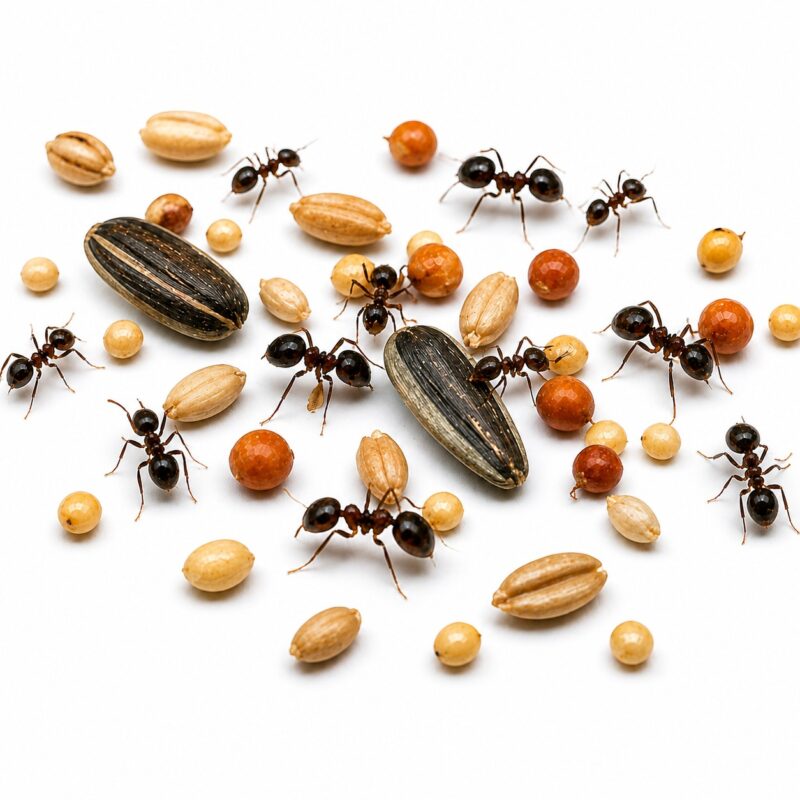
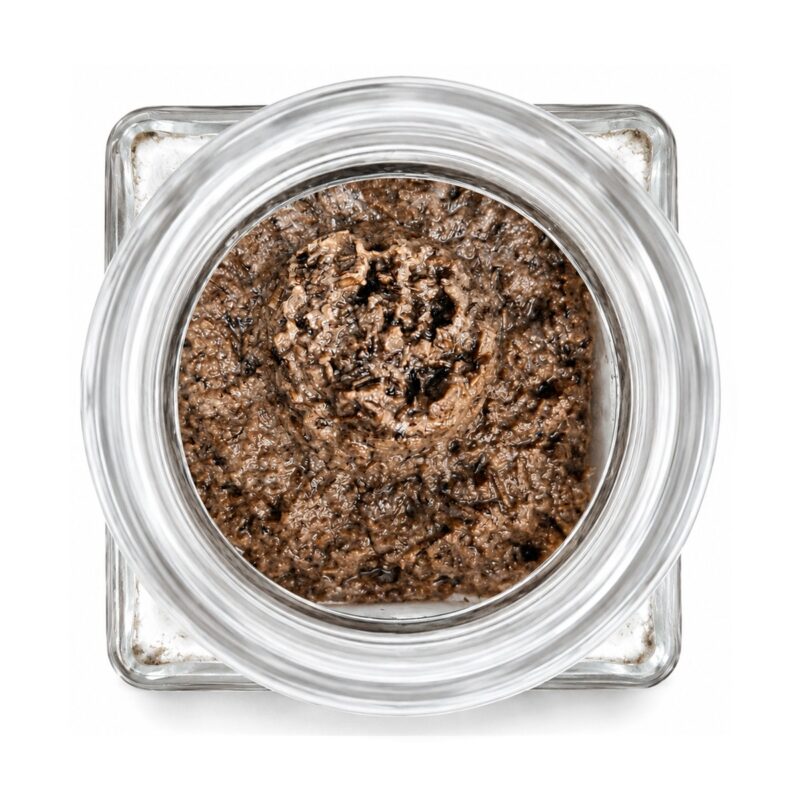
A seed-harvesting ant that collects and stores a dry seed mix, milling the grain into a starchy paste the colony lives on. Insect protein offered now and then gives the brood an extra push during the active months.
| Soft seeds (poppy, sesame, chia, niger) | ★★★ |
| Hard seeds (canary, millet, grass, dandelion) | ★★★ |
| Crickets / flies (for brood) | ★★★ |
| Quinoa / amaranth | ★★ |
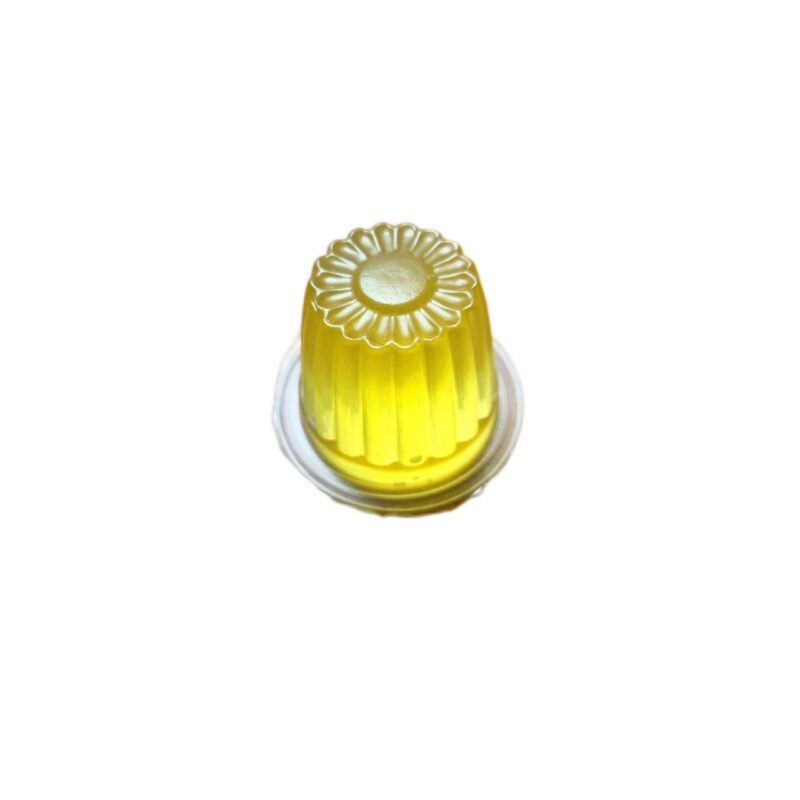
| Sugar water / honey water | ★★ |
| Mealworms | ★ |
| Boiled egg yolk | ★ |
| Soft fruit | ★ |
| Dried insects | ★ |
| Live plant matter | ✗ |
★★★ readily · ★★ moderately · ★ occasionally · ✗ not eaten
Housing & formicarium
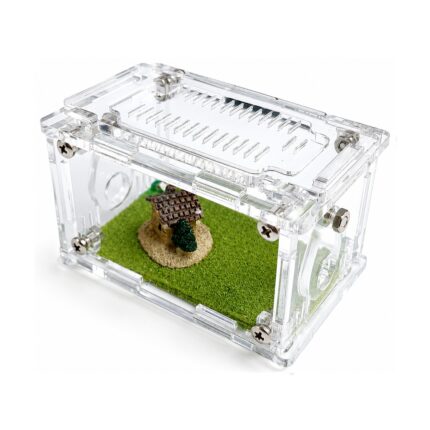
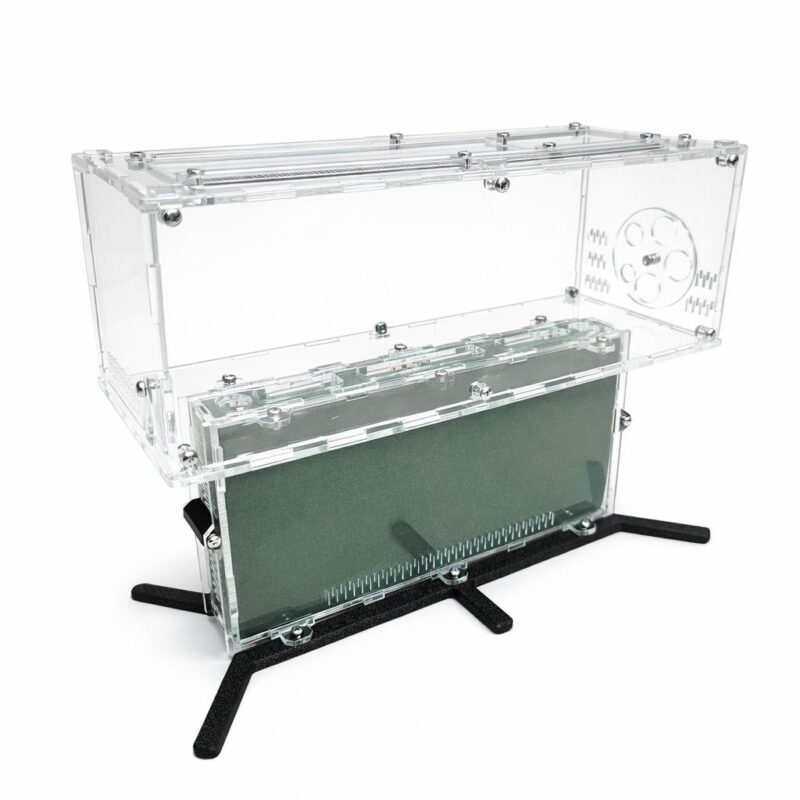
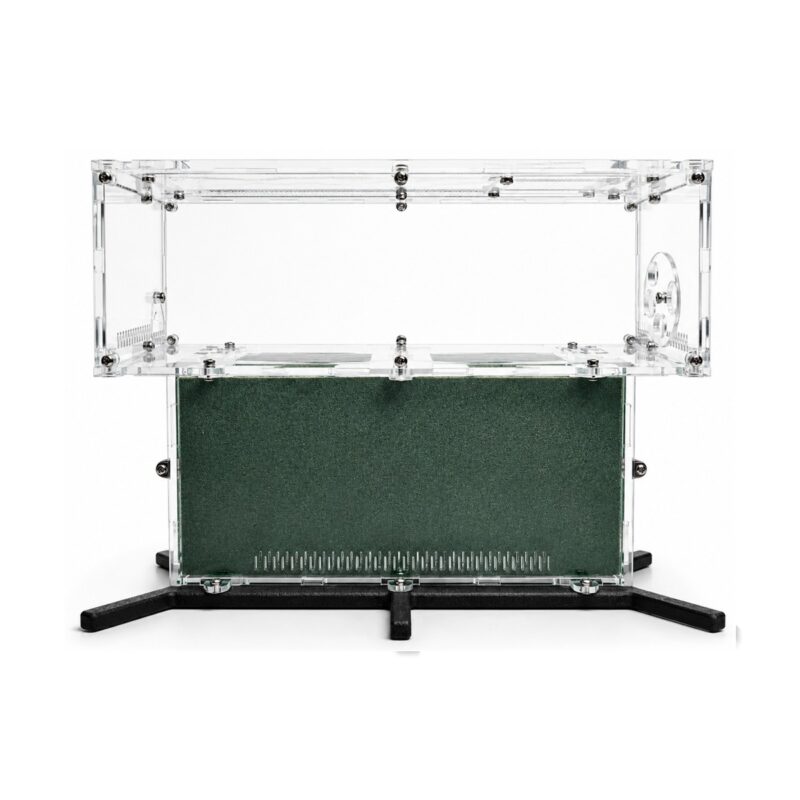
Start in a small test tube or starter setup and move into a formicarium once the first workers forage confidently. This dry, cold-adapted harvester needs a dry granary chamber where stored seeds stay in low humidity, plus one slightly damp brood corner; gypsum or stone nests hold that split well. Keep the nest compact early and upgrade as the population climbs toward several hundred. Line the arena rim with fluon (PTFE), oil, or talc and water to stop escapes. ANTonTOP starter kits pair a sized nest with an arena, water source and barrier so you set up in one go.
Climate & wintering
Dry and cold-adapted is the key to this ant, so keep humidity low: nest 40-55% and arena 25-45%, with the nest at 20-25 °C and the arena at 22-28 °C. Heat from one side only so the ants can pick their spot along a gradient. A full winter rest is not required. At most give it a brief cool rest, a short and mild dip over the coolest months, while keeping the colony mostly warm through the year; there is no need for a long chilled hibernation.
Growth forecast + what you receive
Growth is moderate, pushing on through the warm months and easing a little during the brief cool rest, building toward around 3,000 workers over time with the help of its polygyne, multi-queen makeup. Let a short cool rest punctuate each year. You receive a queen, or queens, with workers and brood, ready for a dry nest with a foraging arena.
Did you know
- The genus Patagonomyrmex was only named in 2016, split off from the South American harvester ants once classed under Pogonomyrmex.
- It is restricted to the cold south of the continent, in southern Argentina and Chile, which is why a short annual cool rest is part of its care.
- Like other harvesters, the colony grinds collected seeds into a stored starchy mass the workers and brood feed on, an ant version of a pantry.
- Winged males and new queens appear over a long spring-to-autumn window, from October through to May across its range.
Frequently asked questions
Is Patagonomyrmex angustus good for beginners?
It is rated intermediate, so it suits keepers who have already raised a first colony, mainly because of its dry granary care.
Does Patagonomyrmex angustus need a winter rest?
No full winter rest is needed. It does best with only a brief cool rest over the coolest months and is otherwise kept mostly warm year-round.
Does this Patagonian harvester sting or bite?
It has a sting and can give a mild bite, but it is not dangerous and rarely a problem for keepers.
How big does a Patagonomyrmex angustus colony get?
Up to around 3,000 workers over time.
How large is the queen?
Queens measure 8-11 mm; workers are 5-8 mm.
How fast does the colony grow?
Moderate, with active growth in the warm months and a slight slowdown during the brief cool rest.
What do these harvester ants eat?
A sugar source plus insect protein, with seeds taken too as a harvester-style feeder.
How is it shipped and will it arrive alive?
It ships as queen(s) with workers and brood, with a heat or cool pack, dispatched within 24 hours and tracked for safe live arrival.
Keeping & shipping essentials
Escape prevention. Coat the inner rim of every open arena with fluon (PTFE), or use talc-and-water or an oil barrier as a backup, and keep a tight, fine-mesh lid on top. Check the barrier regularly, since dust, condensation and feeding debris break a fluon line over time. Keep tubing connectors tight and seal any gaps in the nest.
Keeping reminders. Always offer fresh water and never let the nest dry out completely. Give carbohydrates continuously and protein a few times a week, and remove uneaten insect prey within 24 hours before it moulds. Keep the formicarium out of direct sunlight and away from constant vibration, which stresses a young colony. A water-filled test tube plugged with cotton makes an ideal spare incubator whenever you need one.
Before you buy – do not rehouse too early. Have a test-tube setup or a small formicarium with an outworld and a working barrier ready before your colony arrives. A founding colony grows slowly at first, which is normal. Moving a small colony into a large nest too soon invites mould, mites and stress, and the workers die off one by one. Keep the colony in its open test tube on the arena, plug the nest entrance with cotton, and open up the next chambers only once the colony fills roughly 10-15% of the space.
What we ship. Every colony ships with a live-arrival guarantee, backed by our 24h unboxing-video guarantee: if the queen does not arrive alive, we reship free. Parcels travel with DHL, InPost (PL) or EMS, with a heat or cold pack to suit the season, packed discreetly and securely. We ship across the EU and worldwide, with free shipping over the Europe threshold.

Reviews
Clear filtersThere are no reviews yet.