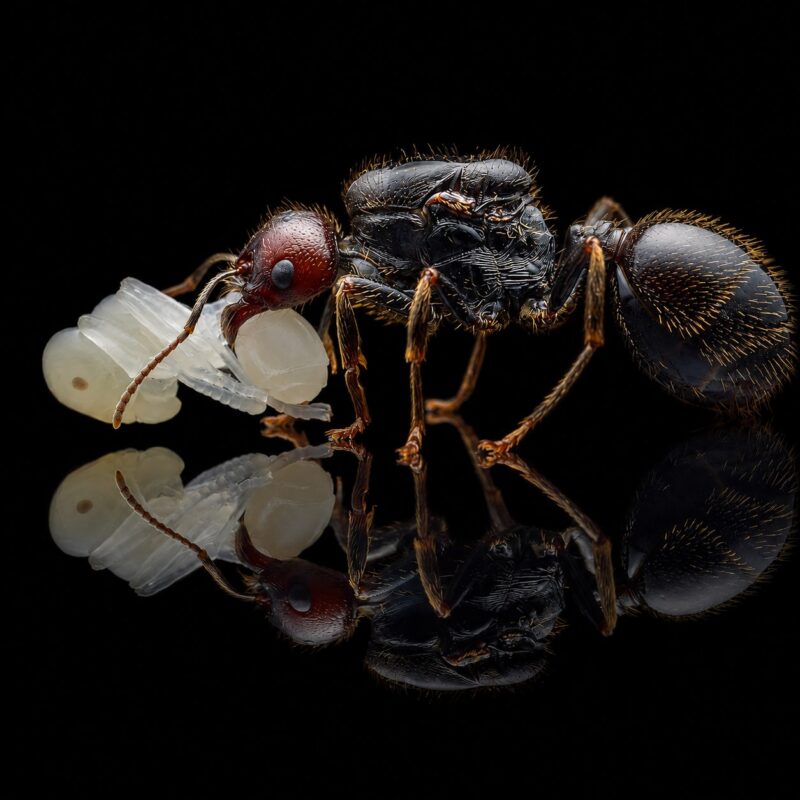

Pheidole dugasi major worker — oversized soldier heads big-headed ant native to the pantropics, live colony at ANTonTOP
Pheidole dugasi Price range: 379,90 zł through 799,90 zł
Back to products
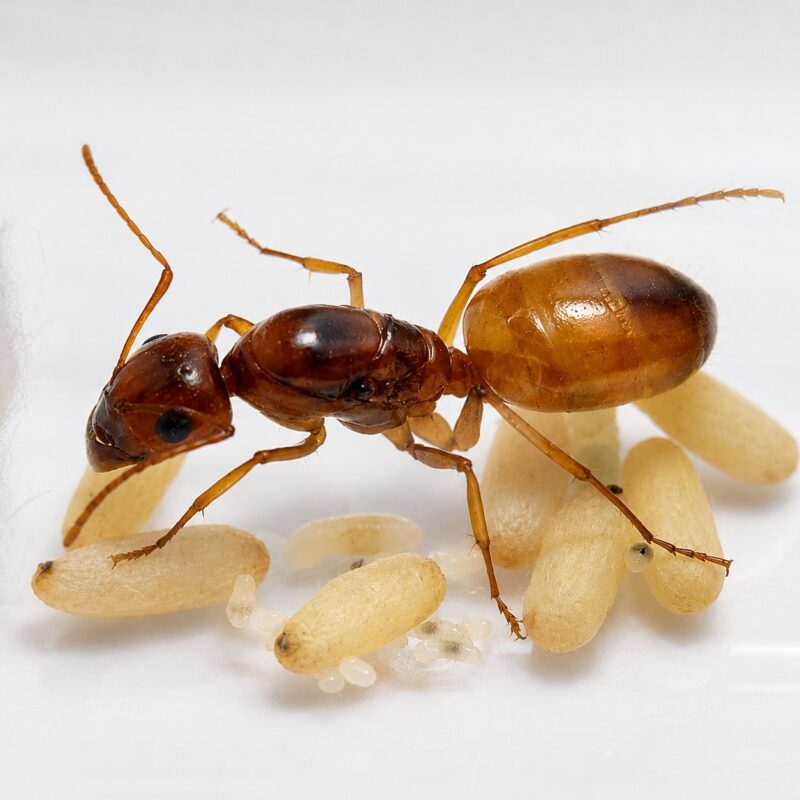
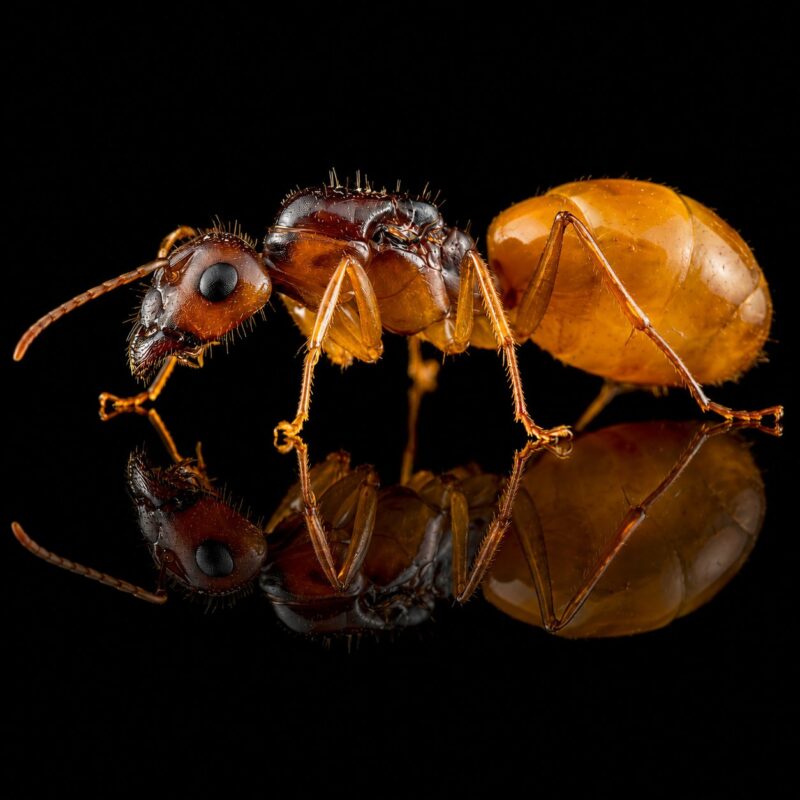
Pheidole flaveria major worker — oversized soldier heads big-headed ant native to the pantropics, live colony at ANTonTOP
Pheidole flaveria Price range: 89,90 zł through 179,90 zł

Pheidole elisae

Price range: 175,90 zł through 309,90 zł

No hibernation
Add 500,00  to cart and get free shipping!
Arrives alive and ready to lay, or we reship

Live Queen Guarantee

Warm in winter, insulated against summer heat

Heat Pack & Summer Cooling

Ready to grow from day one

Fertilised Queen in Every Colony

Packed fast, dispatched with tracking

Ships Within 24 h

Setup and feeding tips for your species

Free Care Guide

Fast answers from real ant keepers

24/7 Expert Support

Description

A Mediterranean big-headed ant from Italy that skips hibernation yet still grows into a colony of up to 50,000 workers. Get Pheidole elisae from ANTonTOP.

Live arrival + 24h unboxing-video guarantee.
Free shipping across Europe over 1299 zł.
DHL / InPost / EMS · ships the EU & worldwide.

Beginner · Q 7-9 mm / W 2-4 mm / S 4-6 mm · Up to 50,000 workers · Not required · Omnivore · Italy (Mediterranean Europe) · Sting (mild), mild bite

Additional information

Behavior

Keeping difficulty

Origin

Ant size

Hibernation

Sting

Has sting

Description

Pheidole elisae – Big-headed ant

Origin Italy (Mediterranean Europe)
Difficulty Beginner
Colony form Monogyne (1 queen)
Max workers Up to 50,000 workers
Queen 7-9 mm
Worker 2-4 mm
Soldier / major 4-6 mm
Founding Claustral
Temperature Nest 24-27 °C / Arena 25-29 °C
Humidity Nest 65-80% / Arena 55-70%
Hibernation Not required
Diet Omnivore
Sting / bite Sting (mild), mild bite
Egg to first worker 3-5 weeks
Queen lifespan 7-15 years
Nuptial flight warm humid summer months, often after heavy rain
Activity both

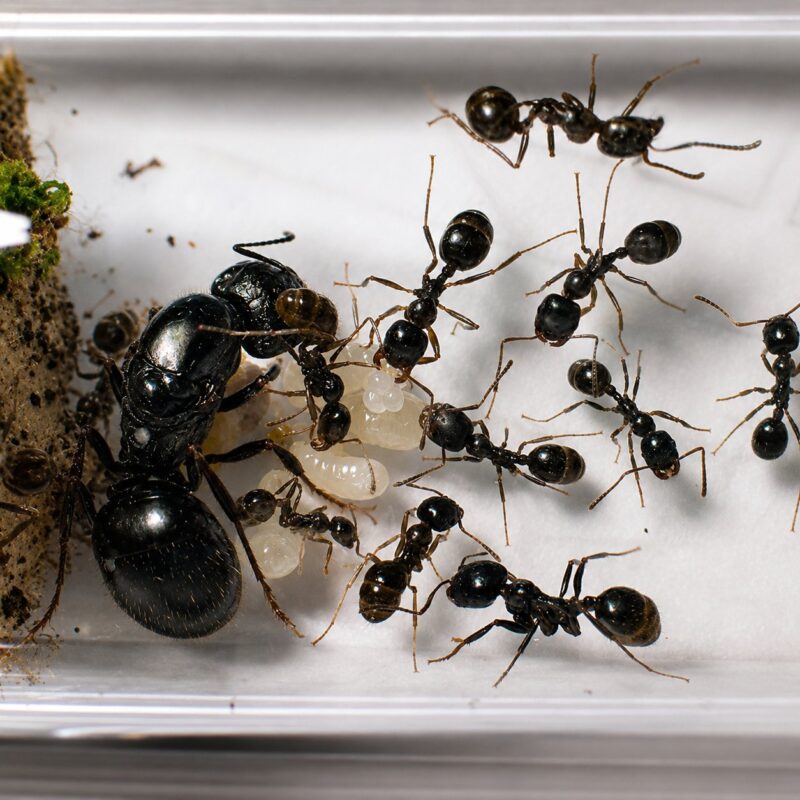
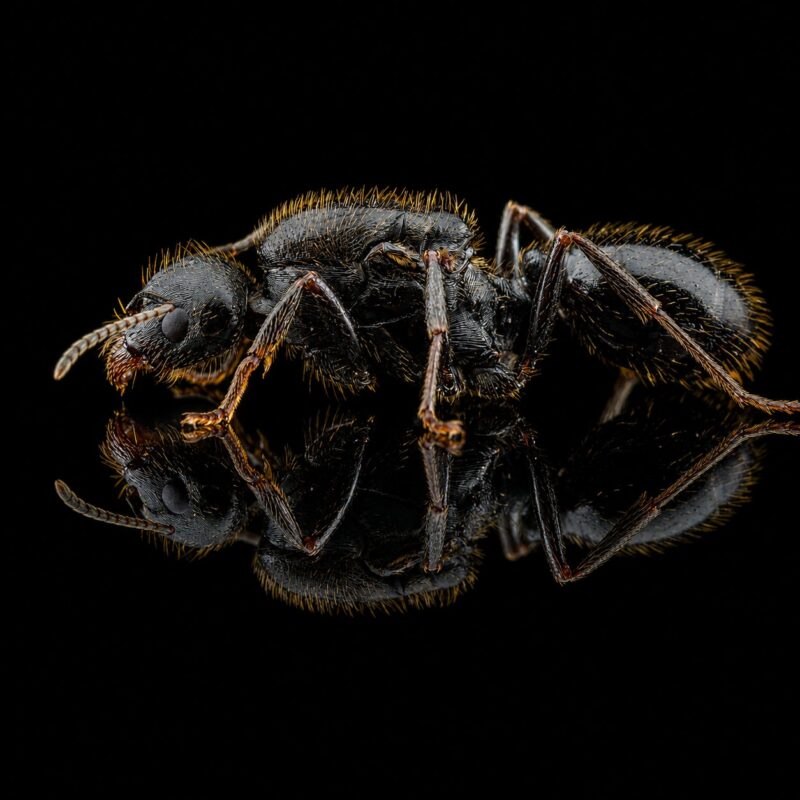
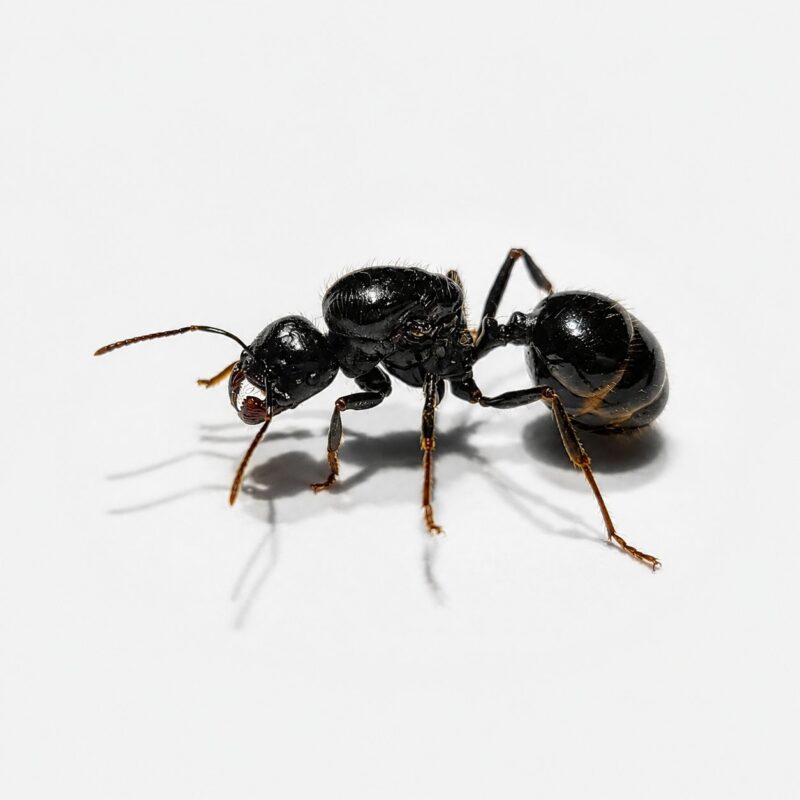
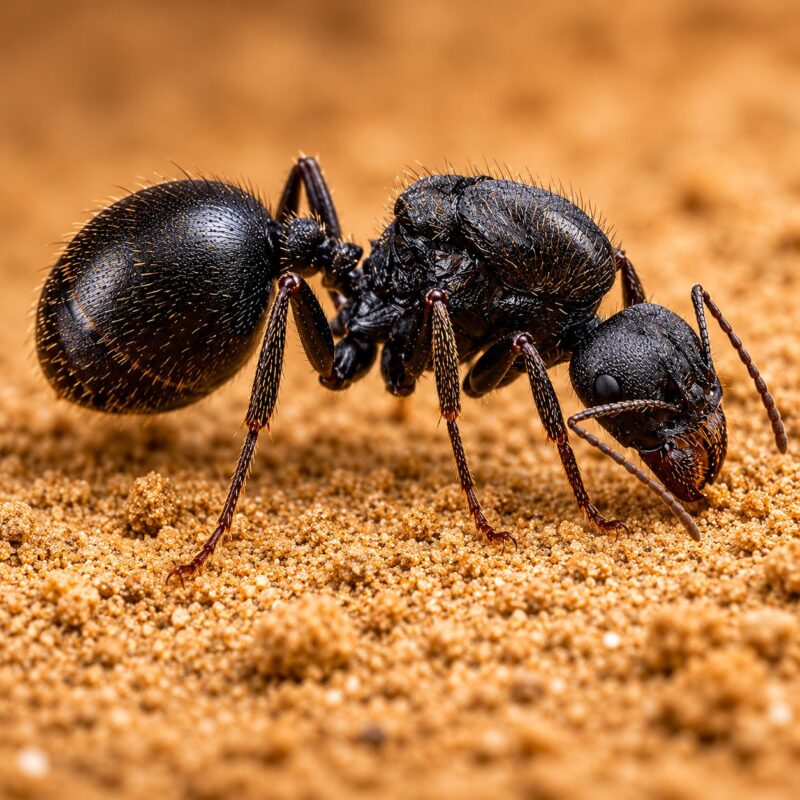
Pheidole elisae is a Mediterranean big-headed ant from Italy, an unusually easy European species that skips winter rest and still grows into a sizeable colony.


Why this species

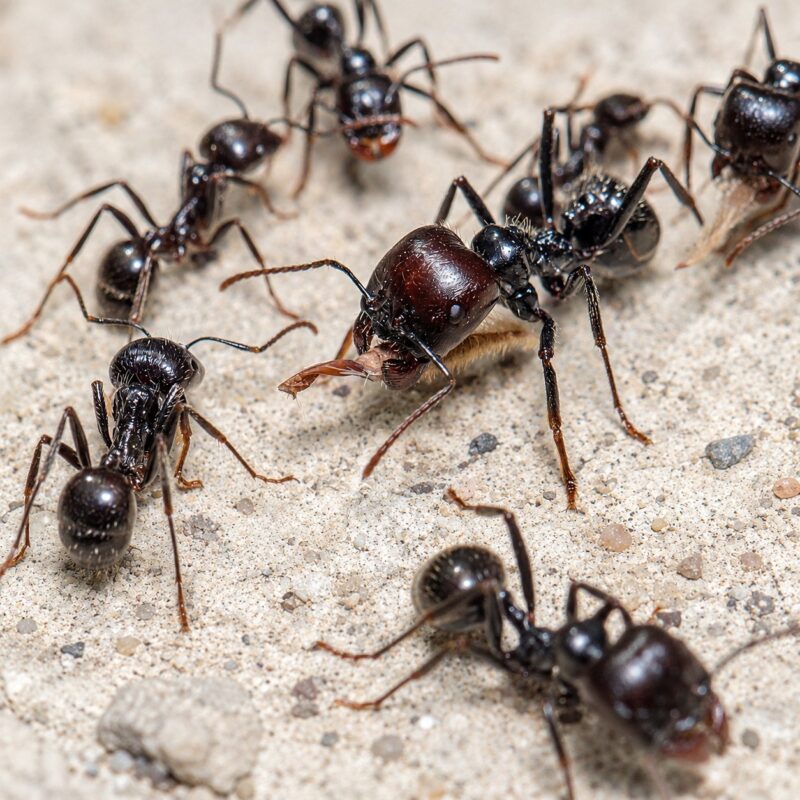
Most European ants want a cold rest each year, and this one does not, which makes it a refreshingly low-fuss choice for a beginner. You keep it warm and active right through the colder months while native species sit dormant. Despite compact workers it has plenty of ambition, building over time into a large, populous colony with the trademark big-headed soldiers guarding busy foragers. The minor-versus-major contrast gives you something to watch every day, and the relaxed care makes it forgiving of the odd mistake. A friendly entry point that still has room to impress as it scales.


Feeding

A flexible Mediterranean omnivore, it works sugars and honeydew for daily energy while the majors mill harder food and protein for the brood. Keep a sweet source out at all times and add insects through the week to fuel its steady climb.

Sugar water / honey water ★★★
Ant nectar / sugar jelly ★★★
Honey ★★★
Protein jelly ★★★
Crickets ★★★
Cockroaches (Dubia / Turkish) ★★★
Fruit flies (Drosophila) ★★★
Houseflies ★★★
Soft fruit (apple, pear, banana) ★★★
Locusts ★★
Boiled egg yolk ★★
Boiled lean chicken / shrimp / meat ★★
Soft seeds (poppy, sesame, chia) ★★
Mealworms
Superworms
Dried insects
Hard seeds (canary, millet, sunflower)

★★★ readily · ★★ moderately · ★ occasionally · ✗ not eaten


Housing & formicarium

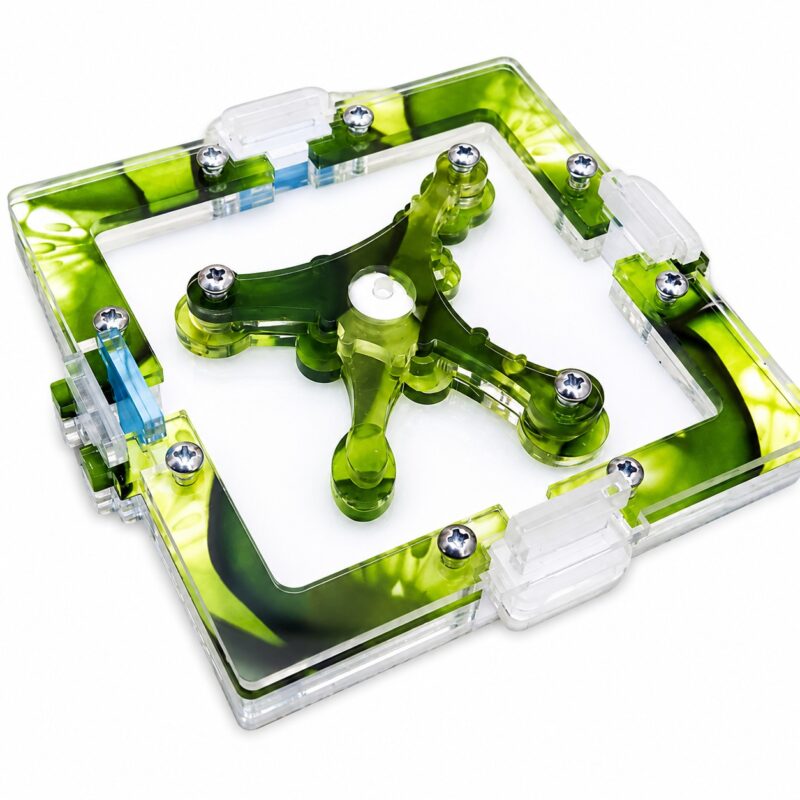
Found the colony in a test tube and hold off on moving until workers cover the floor. This Mediterranean ant likes its nest on the moist side, so a damp-holding nest in aerated concrete (Ytong) or gypsum works best, kept wet at one end with a drier foraging side. Size up as the colony heads into the thousands. The minors are tiny and find the smallest gaps, so always run a fluon, oil, or talc-and-water barrier around the arena. ANTonTOP formicaria and starter kits pair the right nest, arena and barrier so you set up in a single step.


Climate & wintering

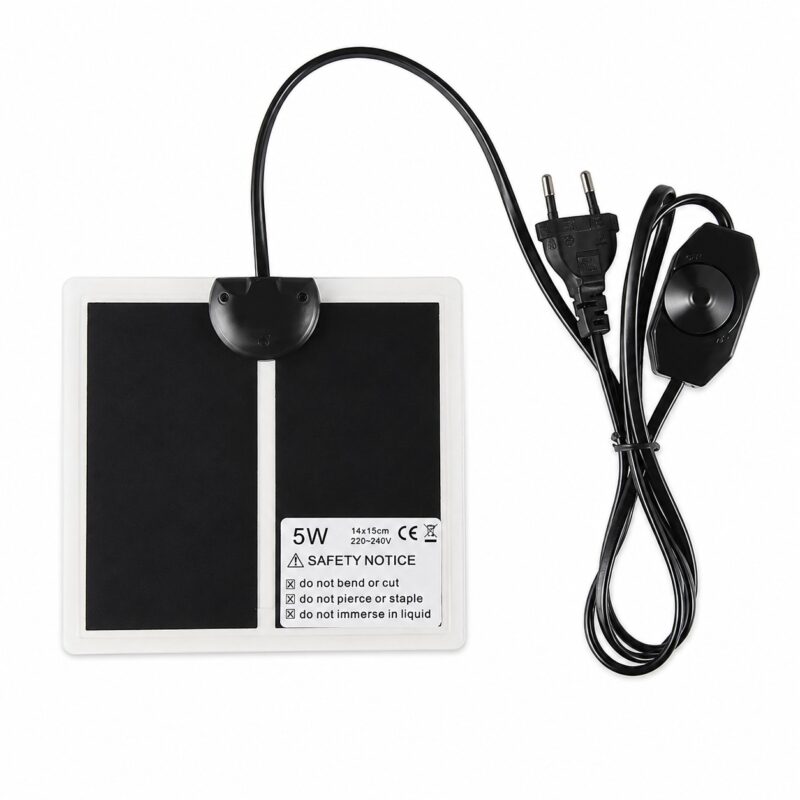
Unusually for a European ant, this species needs no winter rest, so the routine is simply warmth and food right through the colder months. Hold the nest at 24-27 °C and the arena at 25-29 °C, with humidity of 65-80% in the nest and 55-70% in the arena. Heat one end only to give a warm-to-cool run the queen and brood can choose from.


Growth forecast + what you receive

With a ceiling near 50,000 workers, this colony can build into something large once the first majors appear and recruitment picks up. Brood develops from egg to worker in about 3-5 weeks in the warmth. You receive a laying queen with workers and brood, primed to keep expanding without a seasonal pause.


Did you know

  • Pheidole is among the richest of all ant genera, with well over a thousand described species worldwide.
  • A handful of Mediterranean and North African Pheidole stay active all year, sparing keepers the winter cool-down most European ants need.
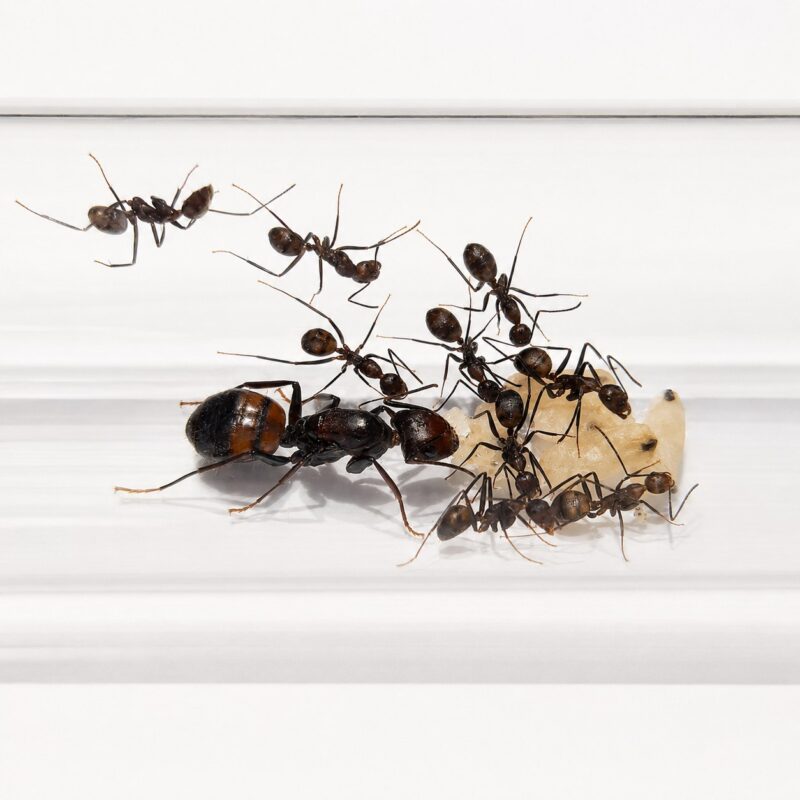
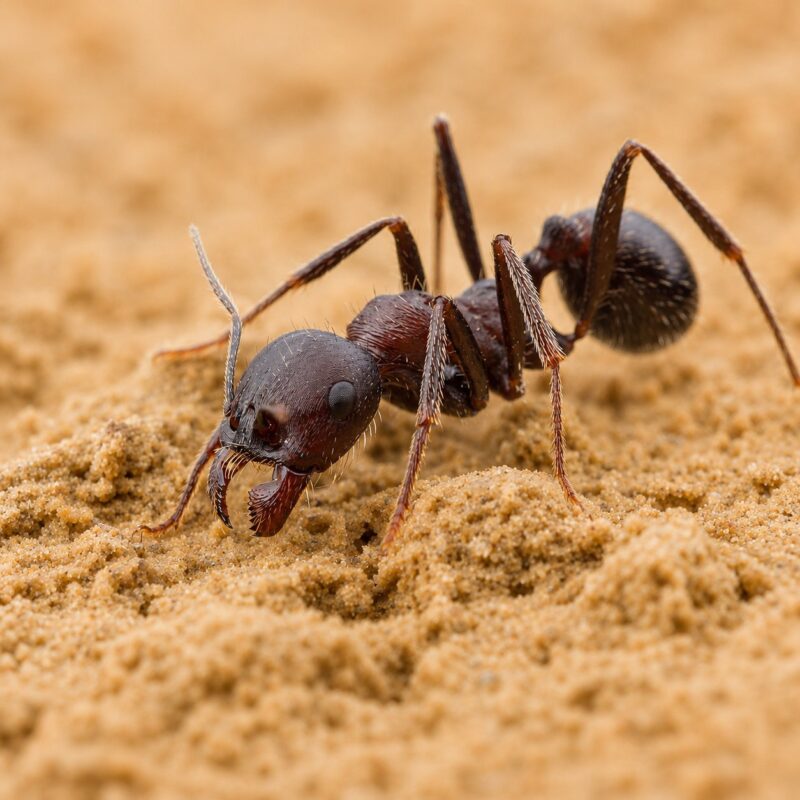
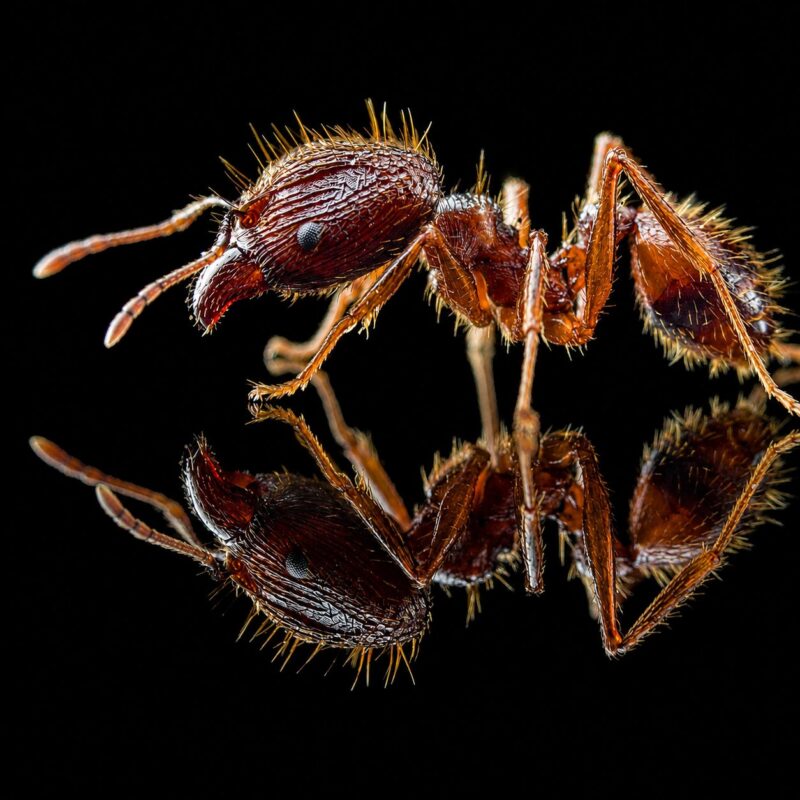
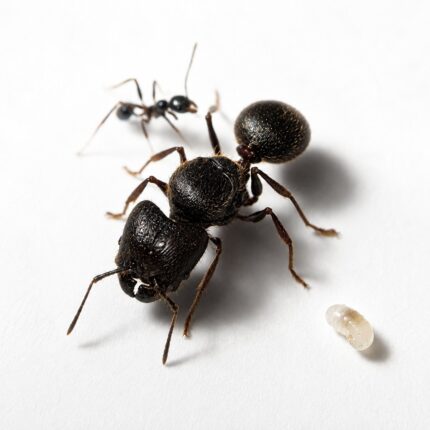
  • The colony runs on two body plans: nimble minors for foraging and brood care, and big-headed majors built to crush food and defend the nest.
  • Those broad major heads are filled with mandible muscle, the engine behind the genus’s seed-milling habit.

Frequently asked questions

Is Pheidole elisae good for beginners?

Yes, it is rated beginner and, unusually for a European ant, needs no hibernation.

Does it need hibernation?

No, a winter rest is not required; keep it warm year-round.

Does it sting?

It has a sting and a mild bite, but it is harmless to keepers in practice.

How big does the colony get?

Up to around 50,000 workers.

How large is the queen?

The queen is 7-9 mm; minor workers 2-4 mm and soldiers 4-6 mm.

How fast does it grow?

Fast, especially once the first soldiers emerge.

What does it eat?

Sugar water or jelly plus insects like crickets and flies.

How is it shipped and will it arrive alive?

It ships as a queen with workers and brood, with a heat or cool pack, dispatched within 24 hours and tracked for safe live arrival.


Keeping & shipping essentials

Escape prevention. Coat the inner rim of every open arena with fluon (PTFE), or use talc-and-water or an oil barrier as a backup, and keep a tight, fine-mesh lid on top. Check the barrier regularly, since dust, condensation and feeding debris break a fluon line over time. Keep tubing connectors tight and seal any gaps in the nest.

Keeping reminders. Always offer fresh water and never let the nest dry out completely. Give carbohydrates continuously and protein a few times a week, and remove uneaten insect prey within 24 hours before it moulds. Keep the formicarium out of direct sunlight and away from constant vibration, which stresses a young colony. A water-filled test tube plugged with cotton makes an ideal spare incubator whenever you need one.

Before you buy – do not rehouse too early. Have a test-tube setup or a small formicarium with an outworld and a working barrier ready before your colony arrives. A founding colony grows slowly at first, which is normal. Moving a small colony into a large nest too soon invites mould, mites and stress, and the workers die off one by one. Keep the colony in its open test tube on the arena, plug the nest entrance with cotton, and open up the next chambers only once the colony fills roughly 10-15% of the space.

What we ship. Every colony ships with a live-arrival guarantee, backed by our 24h unboxing-video guarantee: if the queen does not arrive alive, we reship free. Parcels travel with DHL, InPost (PL) or EMS, with a heat or cold pack to suit the season, packed discreetly and securely. We ship across the EU and worldwide, with free shipping over the Europe threshold.

Complete Your Setup
Reviews
0 reviews
0
0
0
0
0

There are no reviews yet.

Be the first to review “Pheidole elisae”

Your email address will not be published. Required fields are marked *

Bestsellers