
Messor ponticus
45,90 zł – 209,90 złPrice range: 45,90 zł through 209,90 zł
Live Queen Guarantee
Heat Pack & Summer Cooling
Fertilised Queen in Every Colony
Ships Within 24 h
Free Care Guide
24/7 Expert Support
Description
DHL across the EU · EMS worldwide · Live arrival guaranteed.
Free shipping across Europe over 1299 zł.
Quick facts: Founding queen colony · Beginner-friendly · Medium-sized · from Eastern Europe · No hibernation · Has a sting
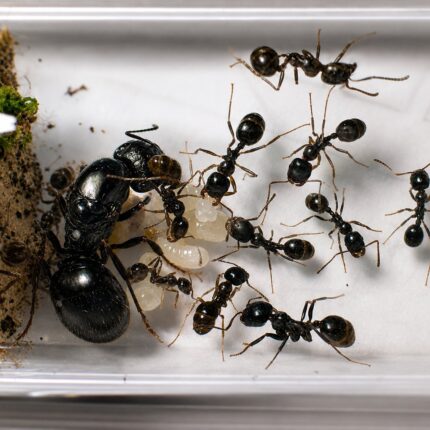
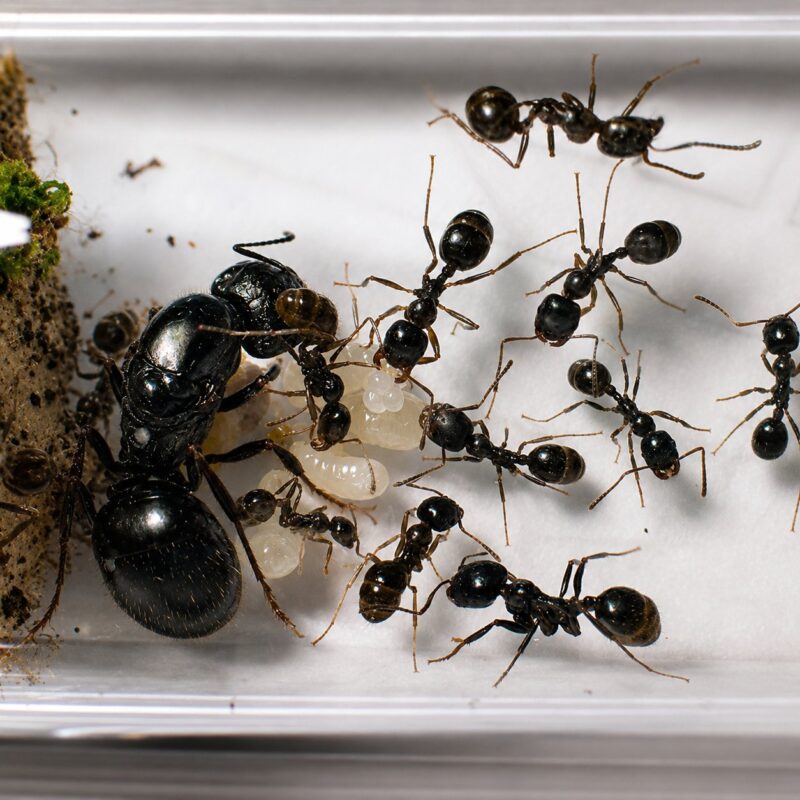
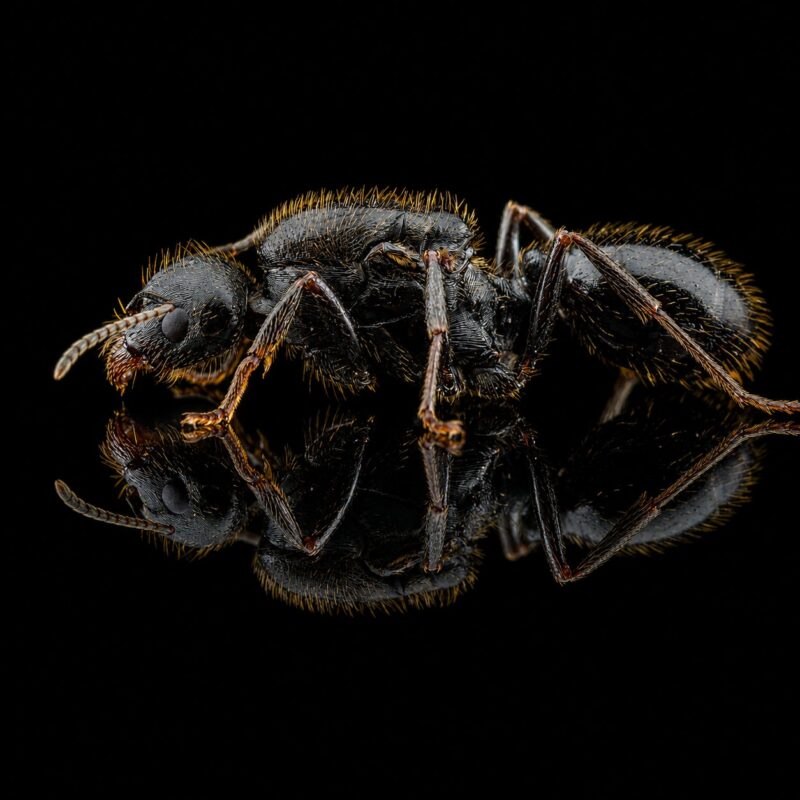
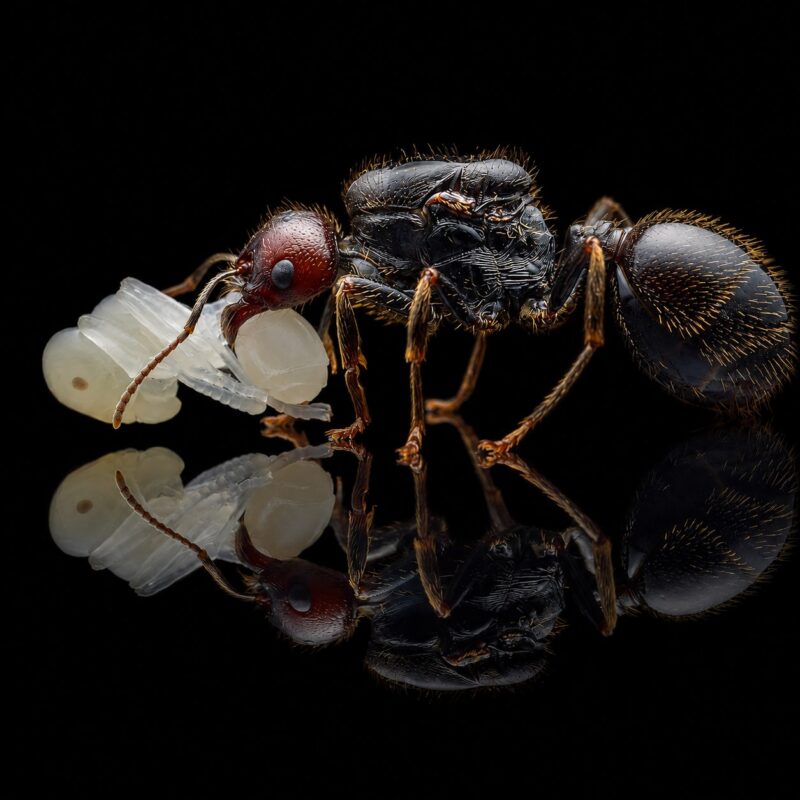
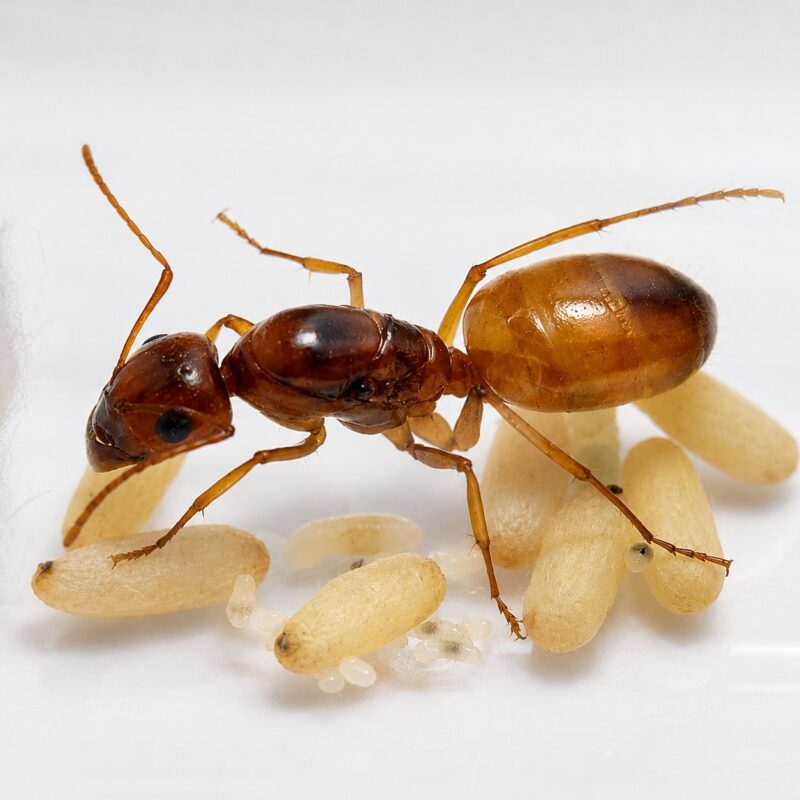
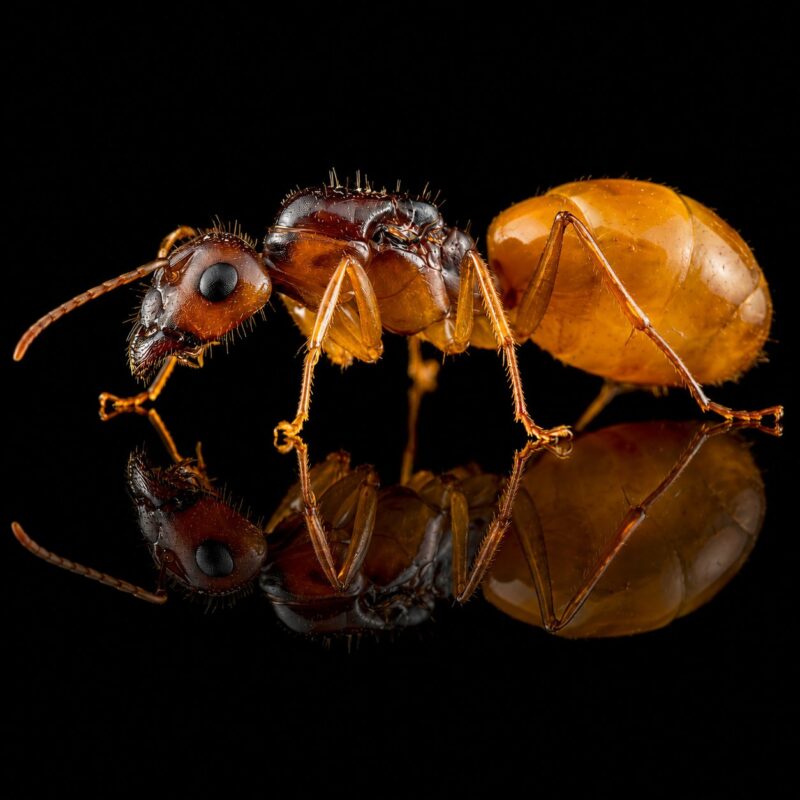
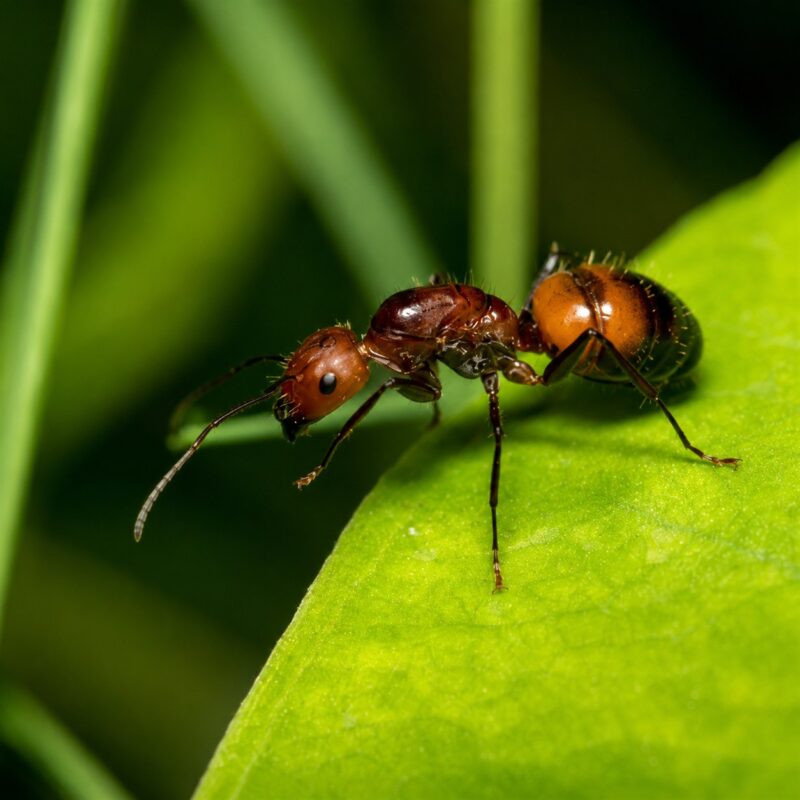
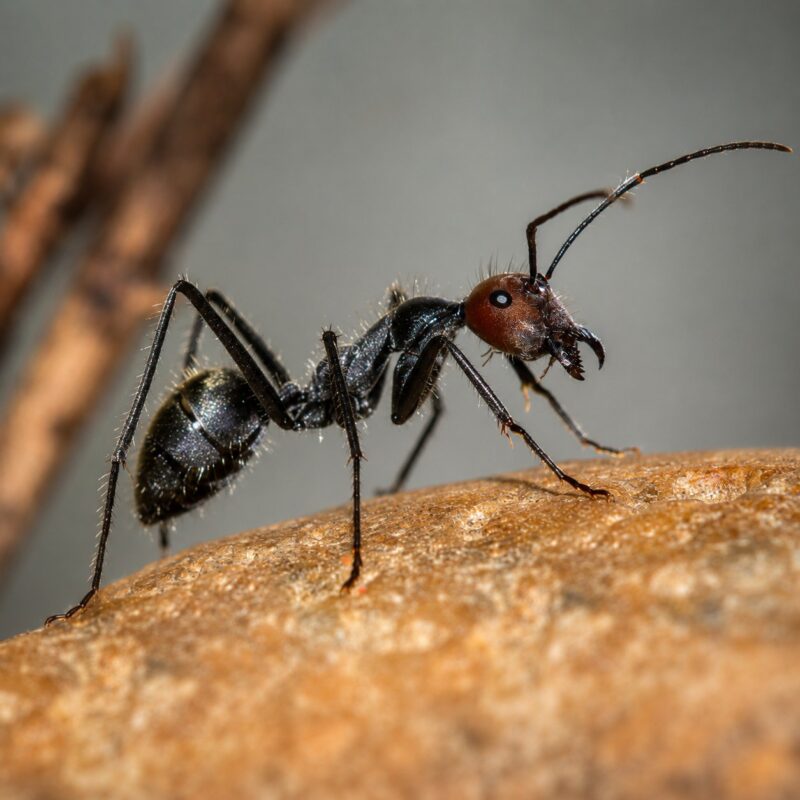
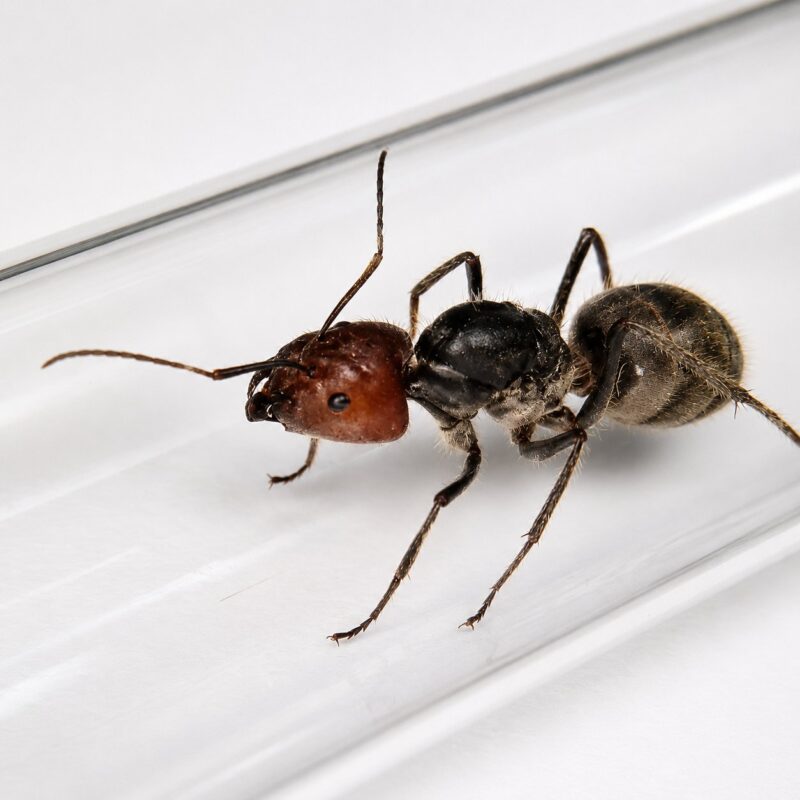
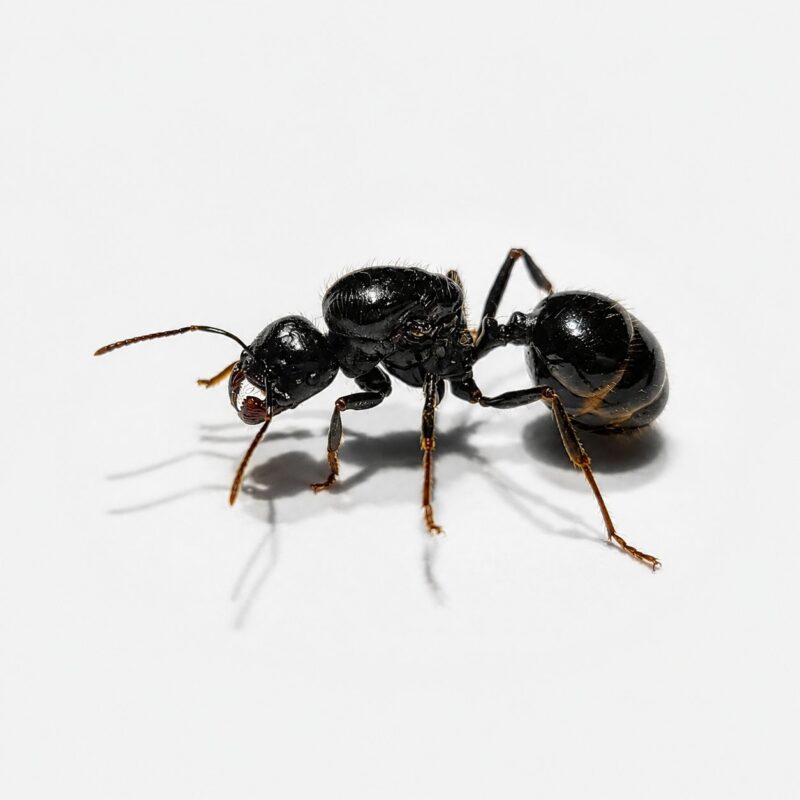
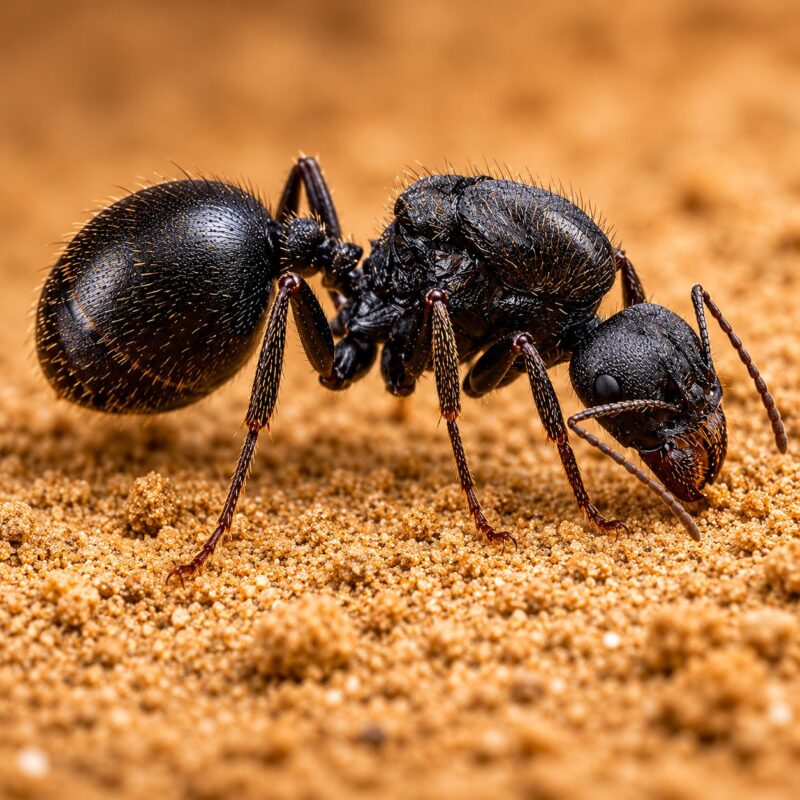
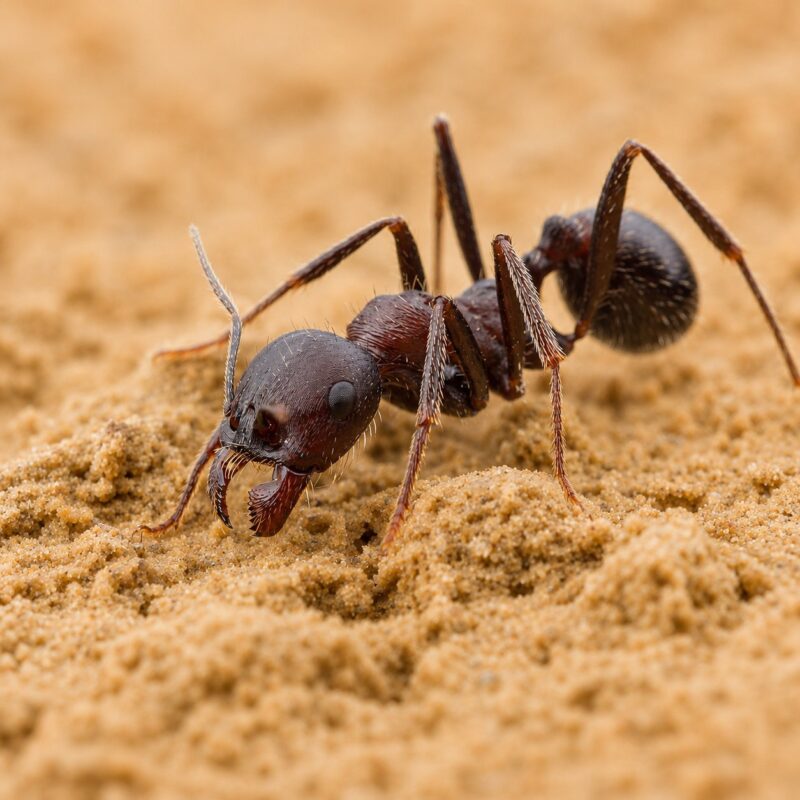
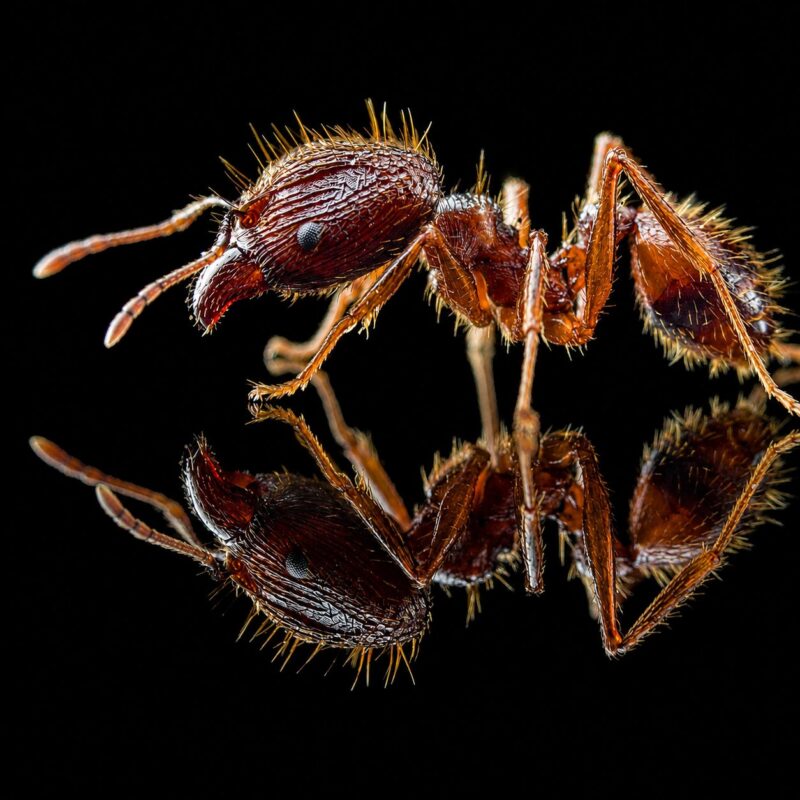
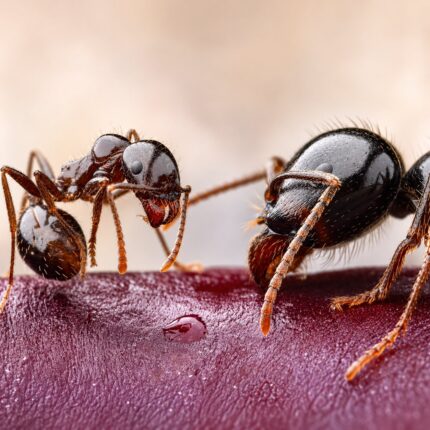
Messor ponticus – Harvester ant. A quality live ant colony for sale – monogyne colony with seed-collecting harvester workers and a mated queen. Beginner-friendly, no winter rest needed, has a sting.
A rewarding species to watch grow at home. Buy from ANTonTOP – live queen guarantee with 24 h unboxing video proof, shipped from Poland in 1–5 days across the EU, worldwide on request.
Additional information
| Behavior | |
|---|---|
| Keeping difficulty | |
| Origin | |
| Ant size | |
| Hibernation | |
| Sting |
Has sting |
Messor ponticus
| Common name | Harvester ant |
|---|---|
| Origin | Turkey (Eastern Mediterranean and the Black Sea region) |
| Colony form | Monogyne (1 queen) |
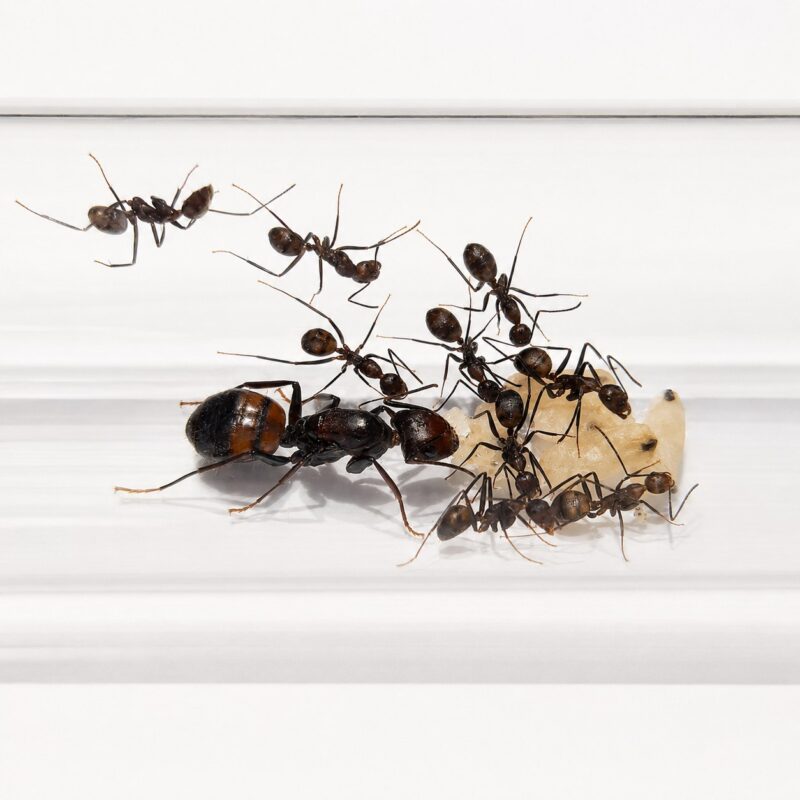
| Mature colony | Up to 10,000 workers |
| Queen | 11–14 mm |
| Worker | 3–8 mm |
| Soldier (major) | 7–10 mm |
| Founding | Claustral |
| Temperature | Nest 24–32 °C / Arena 24–32 °C |
| Humidity | Nest 40–65% / Arena 40–65% |
| Hibernation | Not required |
| Habitat (wild) | dry steppe |
| Difficulty | Beginner |
| Stings or bites | Mild bite, has a sting |
Why this species
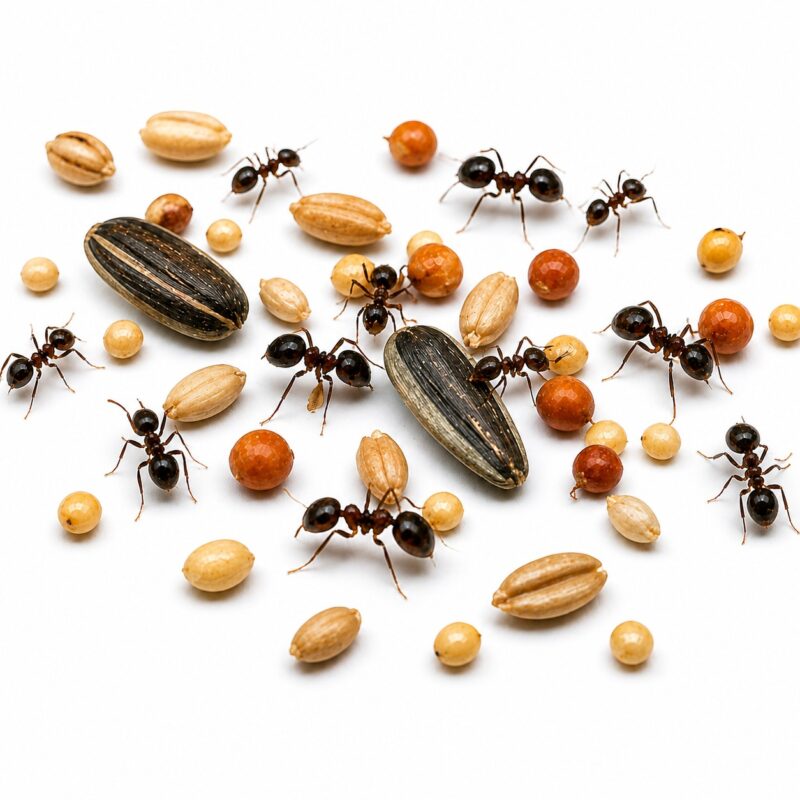
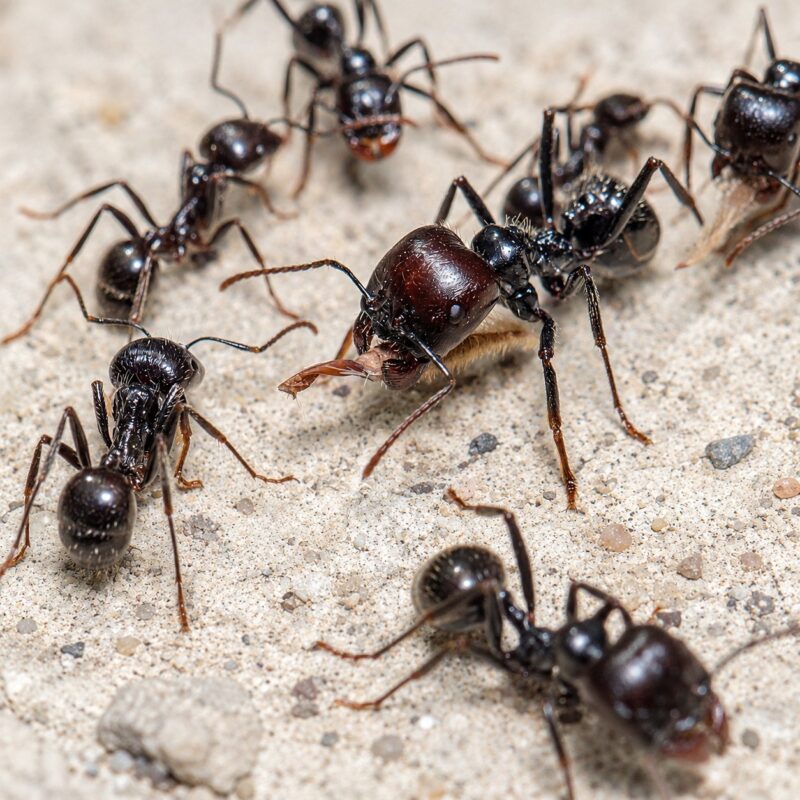
Messor ponticus is a harvester ant from the dry steppe of Turkey, the Caucasus and the Black Sea coast. Stitz described it in 1923, naming it for the historic region of Pontus. Like all Messor it runs a granary: foragers haul seeds back along trails, and broad-headed majors crack and mill them into “ant bread” for the colony. Colonies grow large and busy, which makes a harvester one of the most watchable ants you can keep.
Housing
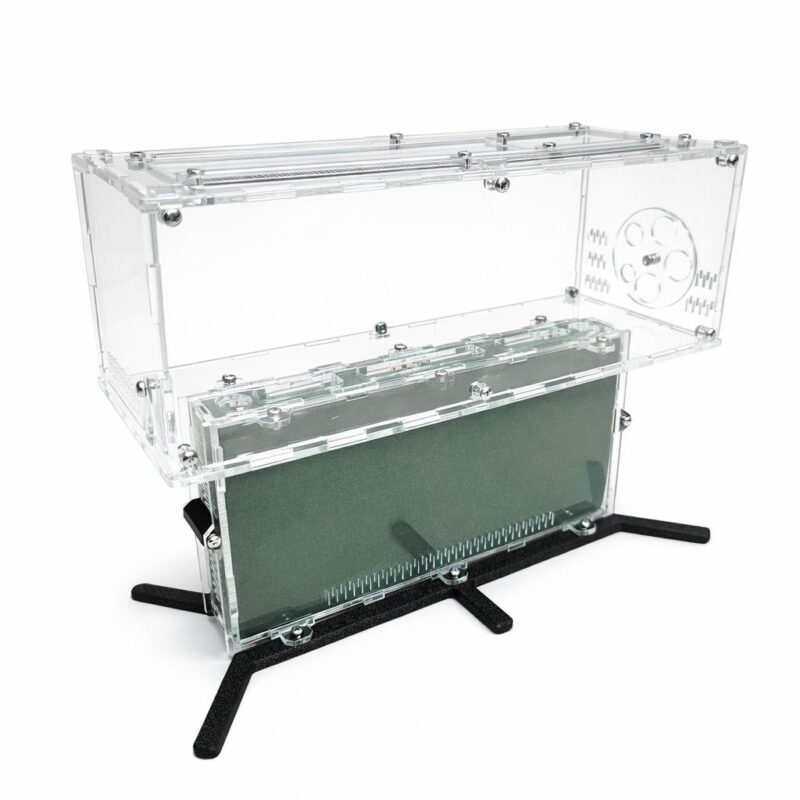
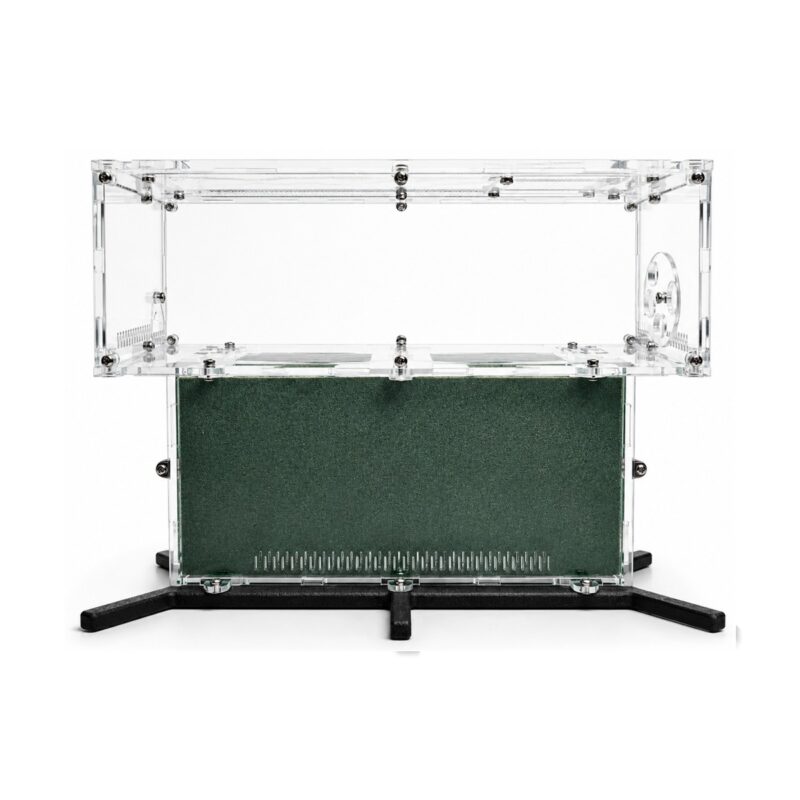
Messor are ground-nesting harvesters, not wood-dwellers, so they want a firm nest with two zones: a dry chamber for storing seed (the granary) and a slightly damp chamber for the brood. Gypsum or ytong nests suit them. Give a roomy, escape-proof outworld, since foraging is half the fun with this genus, and a shallow dish where they can pile and husk their seed.
Temperature and humidity
Keep it warm, 24-32 °C, with the granary on the dry side and only the brood chamber humid. Damp seed moulds, so err dry in the storage area. Overall humidity 40-65%, concentrated where the brood sits.
Feeding
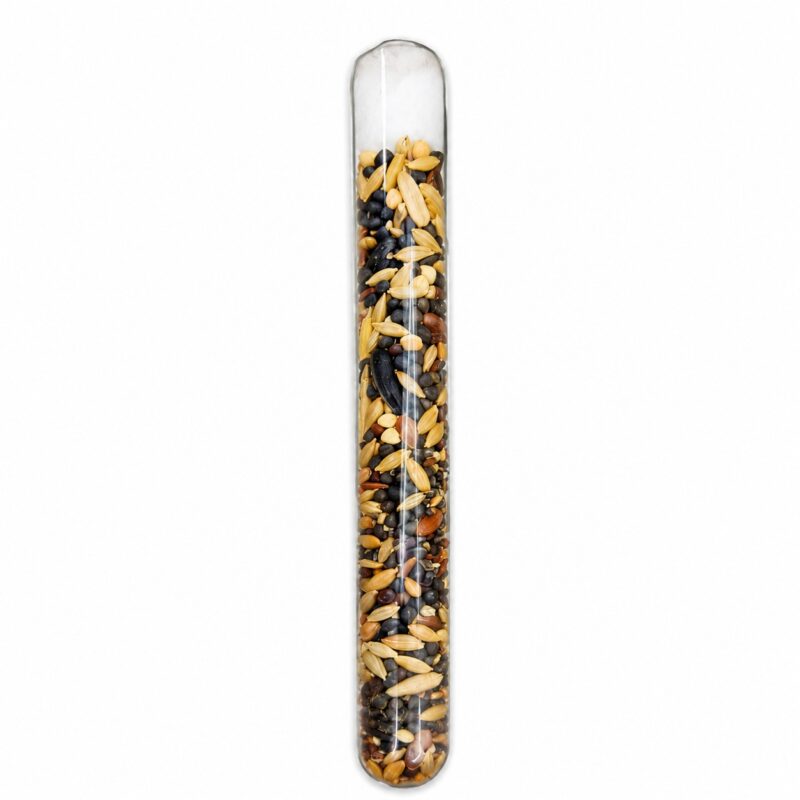
This is a seed specialist. The staple is a dry seed mix (poppy, dandelion, grass and other small seeds) available at all times for the colony to store and mill. Add protein occasionally, a dead insect every week or two, to push brood growth. Sugar water is taken but comes second to seed.
Wintering
A Pontic harvester comes from a region with real winters and does best with a cool rest. A 2-3 month slowdown near 12-15 °C with reduced feeding mimics its natural cycle and keeps the queen laying strongly in spring. It survives without one, but the rest pays off in colony health.
Escape prevention
Apply PTFE escape barrier on the top inner edge of the outworld – reapply every few months.
Use a tight lid with fine mesh; check it after every cleaning.
Inspect the formicarium silicone joints and tubing connectors monthly.
Keep the outworld dry on the inside edge where PTFE is applied – wet PTFE loses grip.
Important keeping reminders
Never disturb the queen during founding. Keep her in the dark, in a test tube, with minimal vibration.
Move the colony to a formicarium only when there are 15–20 workers and the test tube is genuinely full.
Always offer water on a separate cotton outside the food.
Quarantine any new insect feed for 24 hours before offering it to the colony.
Avoid synthetic fragrances, smoke and aerosols in the room with the colony.
Before you buy
This species is a good fit for first-time keepers. Even so, an ant colony is a living organism – your responsibility starts the moment it arrives. Read the care information here and in our care guides before placing the order, and contact us if anything is unclear.
What we ship
Your colony ships in a sealed glass test tube with a cotton water reservoir and a cotton plug – the same setup we use ourselves. It is packed in an insulated, padded shipping box. We hand-pick every colony, count workers and inspect the queen on the day of dispatch.
Did you know?
- Described by Hermann Stitz in 1923 from Turkey – the species name ‘ponticus’ references the historic Pontus region.
- Ranges across Turkey, the Caucasus, and parts of the eastern Mediterranean.
- Common in dry steppe, field margins, and Mediterranean scrubland.
- True harvester – workers gather seeds from grasses and herbs.
- Majors with broader heads handle seed-cracking duty inside the nest.
Frequently asked questions
What do Messor ponticus eat?
Mainly seeds, milled by the majors. A dry seed mix is the staple; add protein every week or two and keep water available.
Do harvester ants need a granary?
Yes. Give them a dry chamber to stockpile seed, kept separate from the humid brood area.
How big do colonies get?
Up to about 10,000 workers, ranging from 3 mm minors to 7-10 mm majors, with an 11-14 mm queen.

Reviews
Clear filtersThere are no reviews yet.