

Brachymyrmex laevis
159,90 zł – 559,90 złPrice range: 159,90 zł through 559,90 zł
Live Queen Guarantee
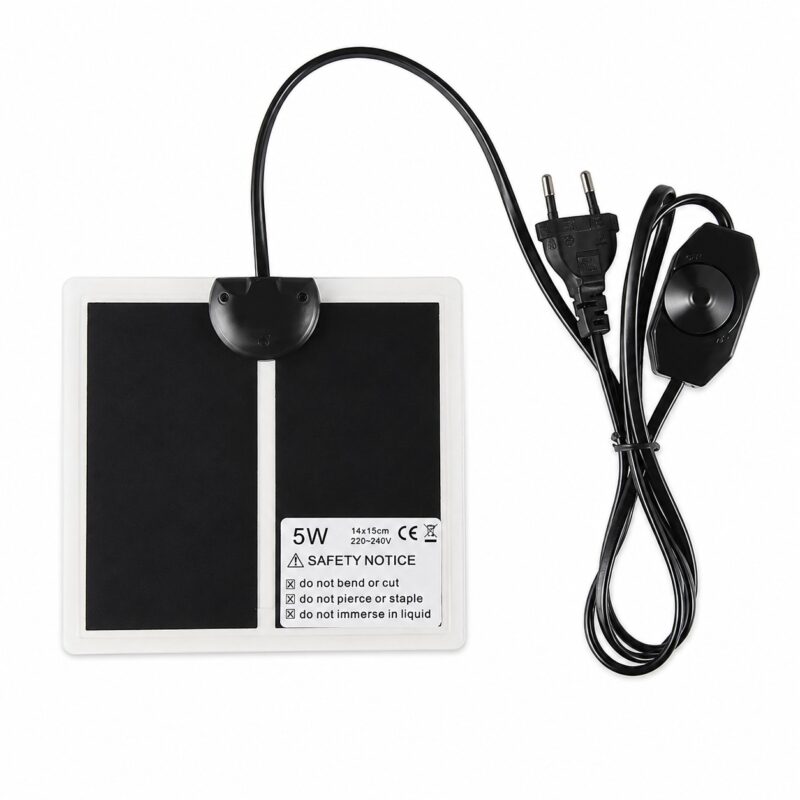
Heat Pack & Summer Cooling
Fertilised Queen in Every Colony
Ships Within 24 h
Free Care Guide
24/7 Expert Support
Description
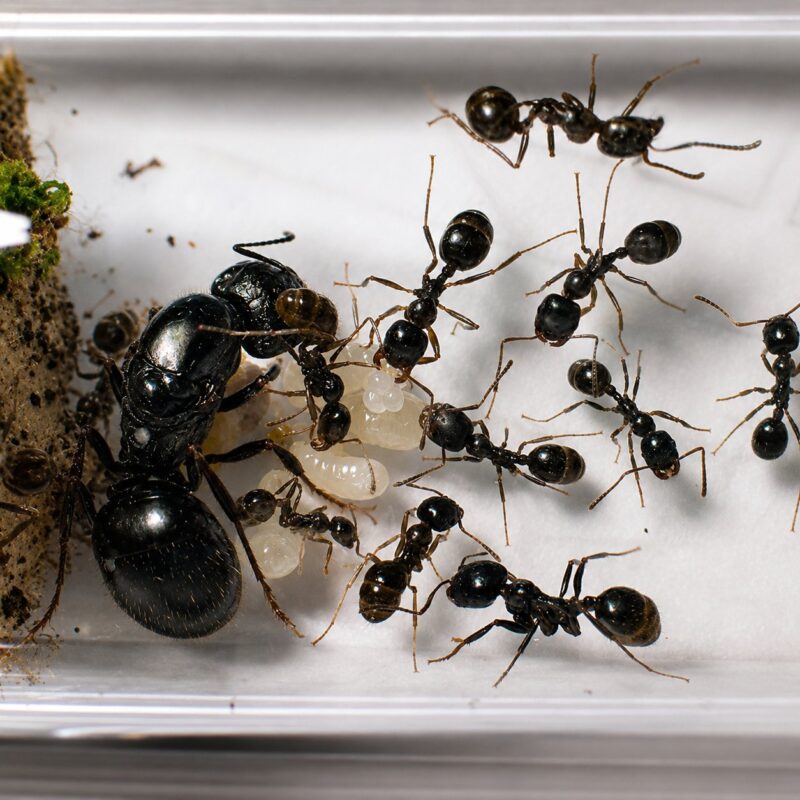
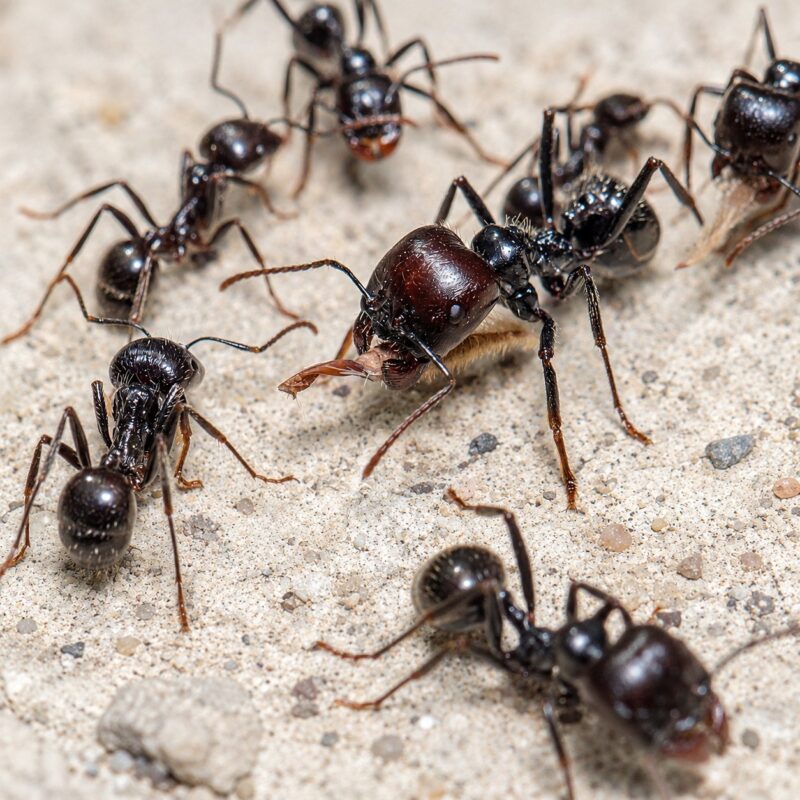
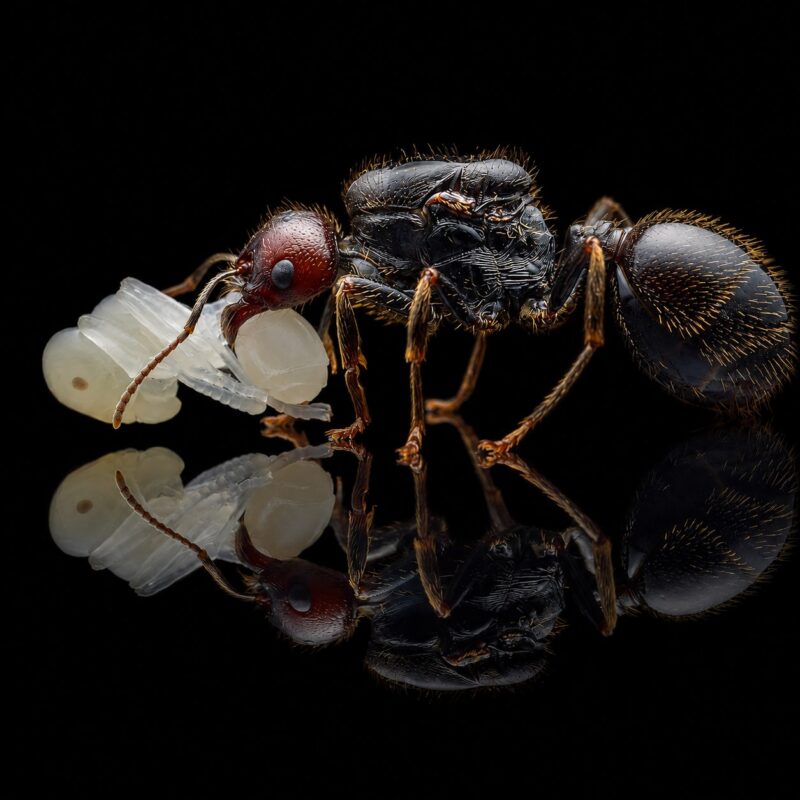
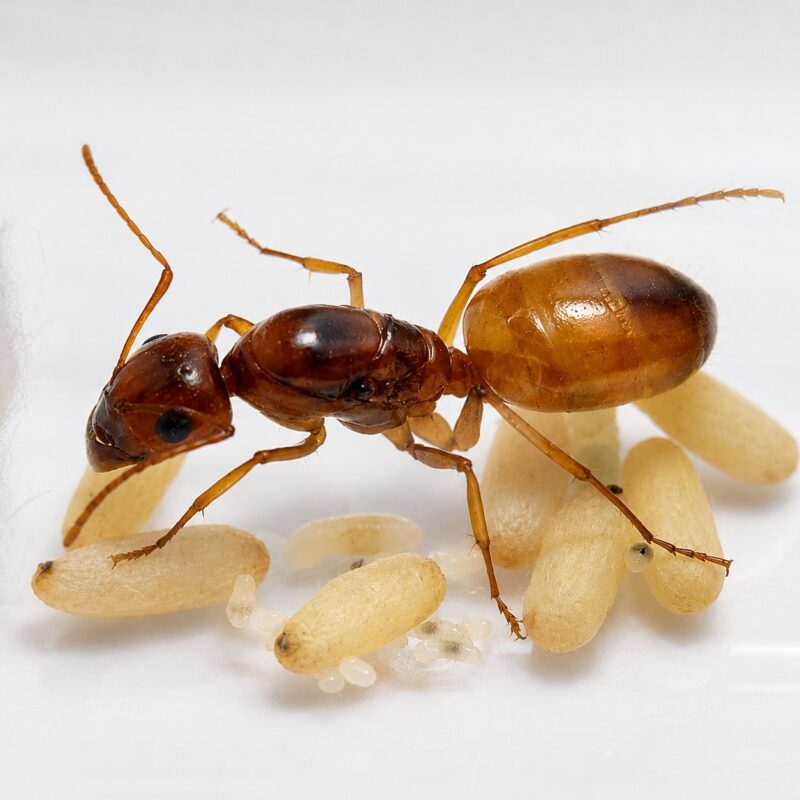
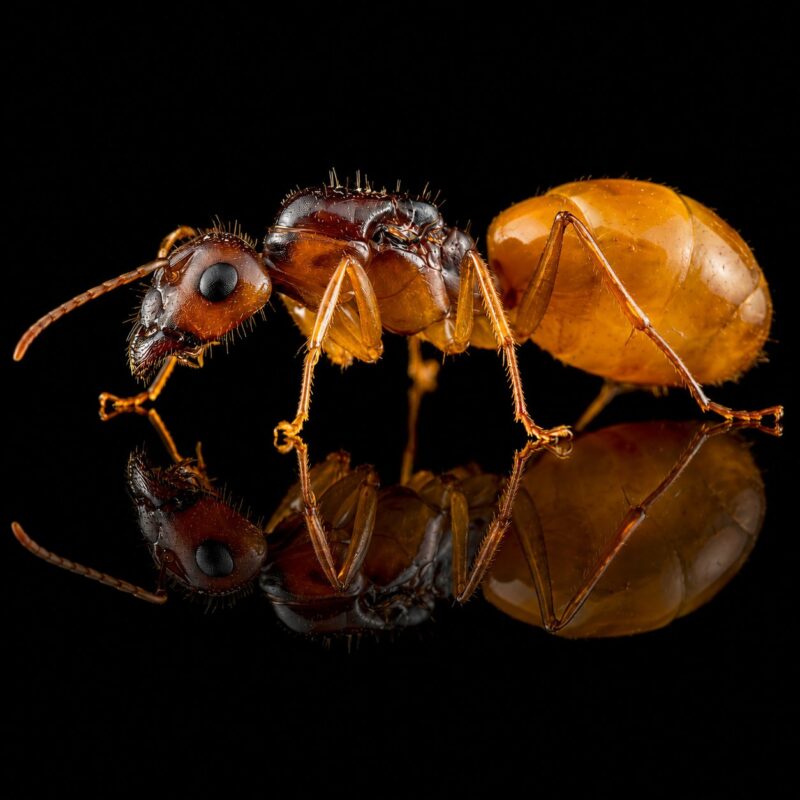
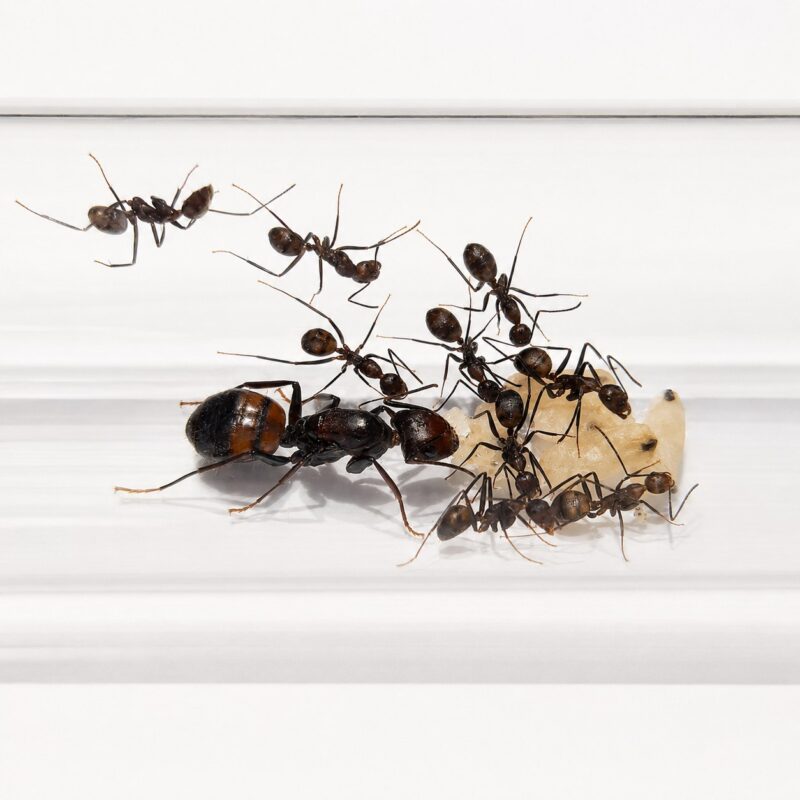
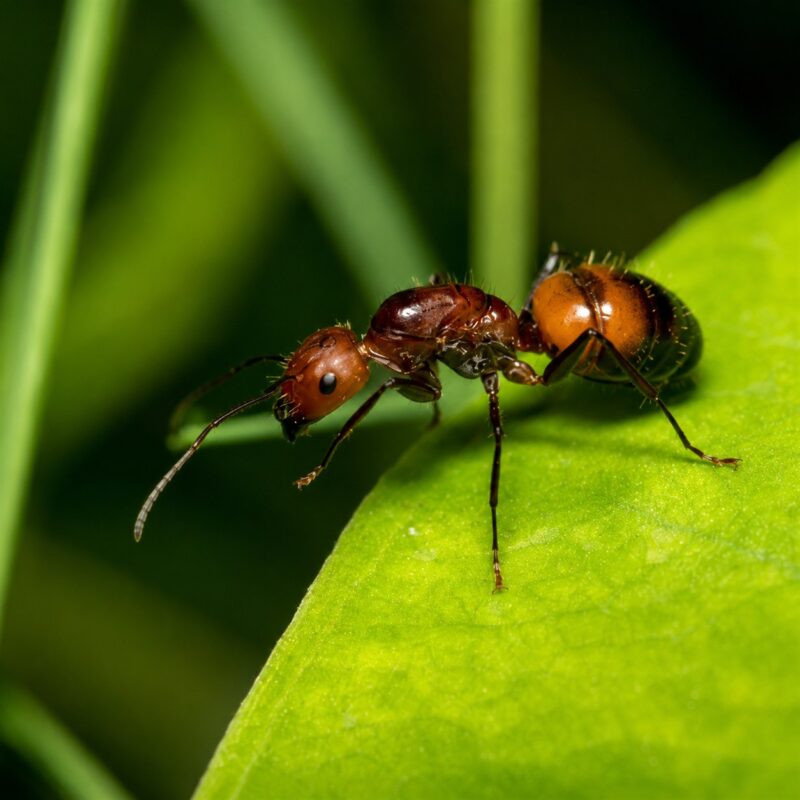
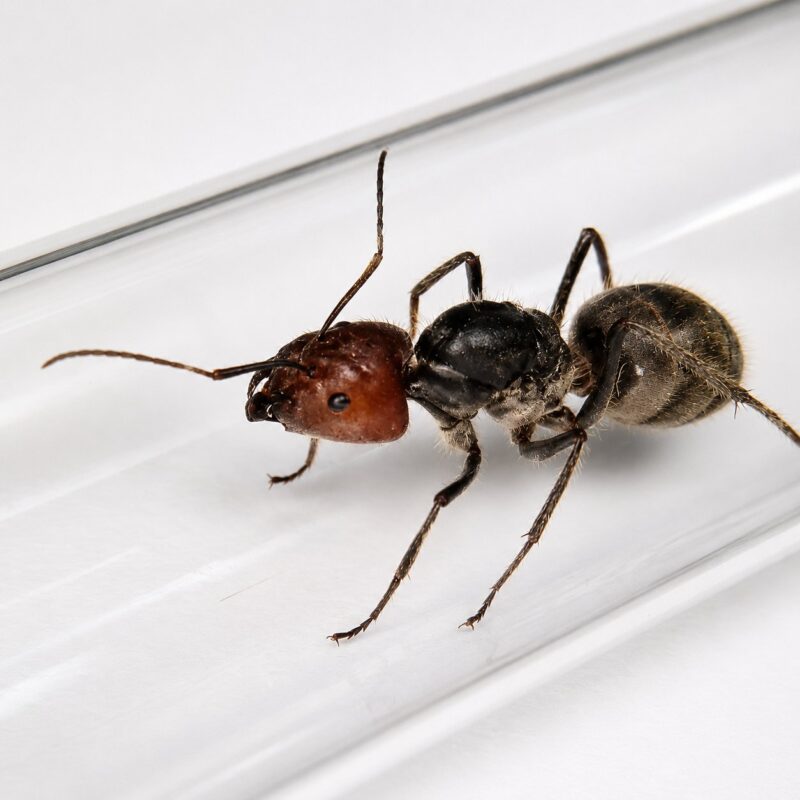
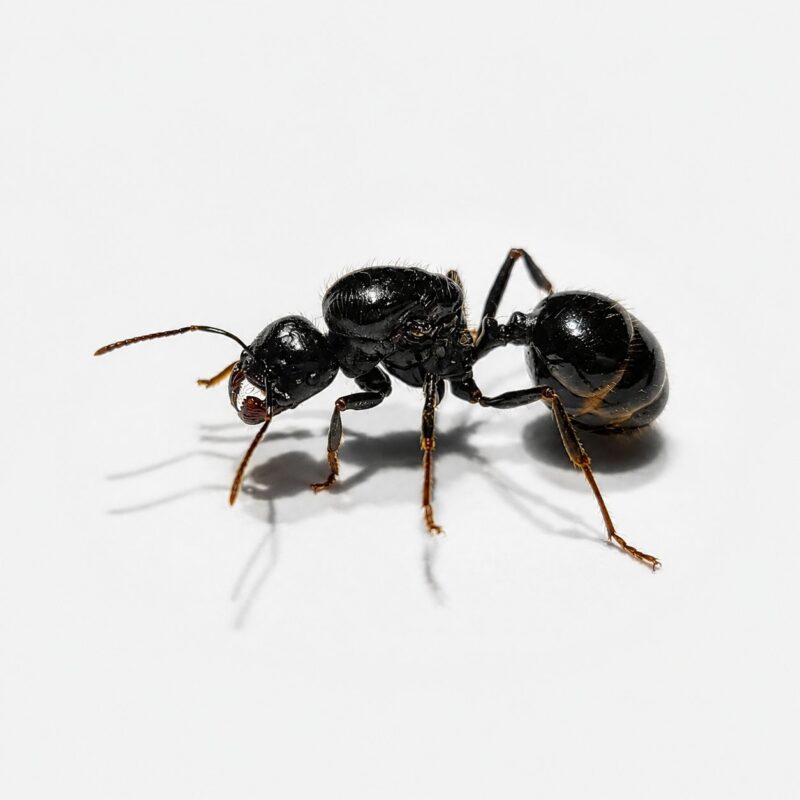
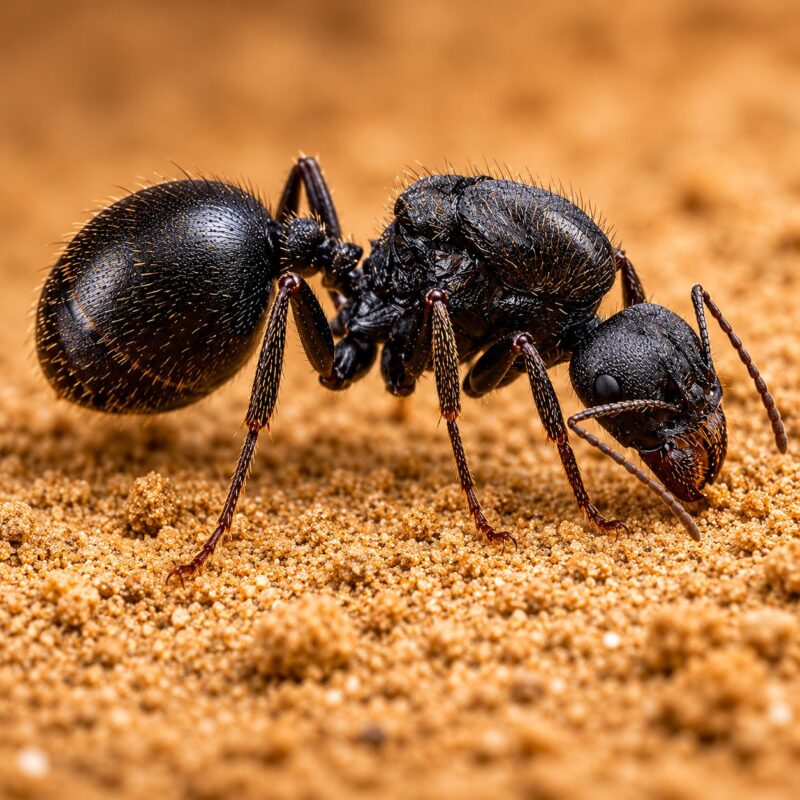
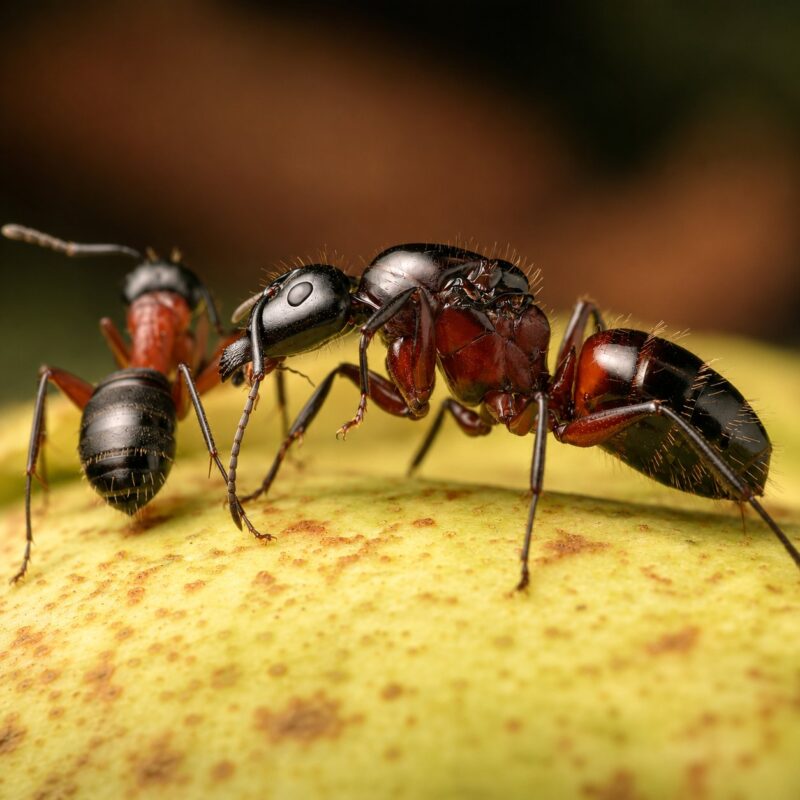
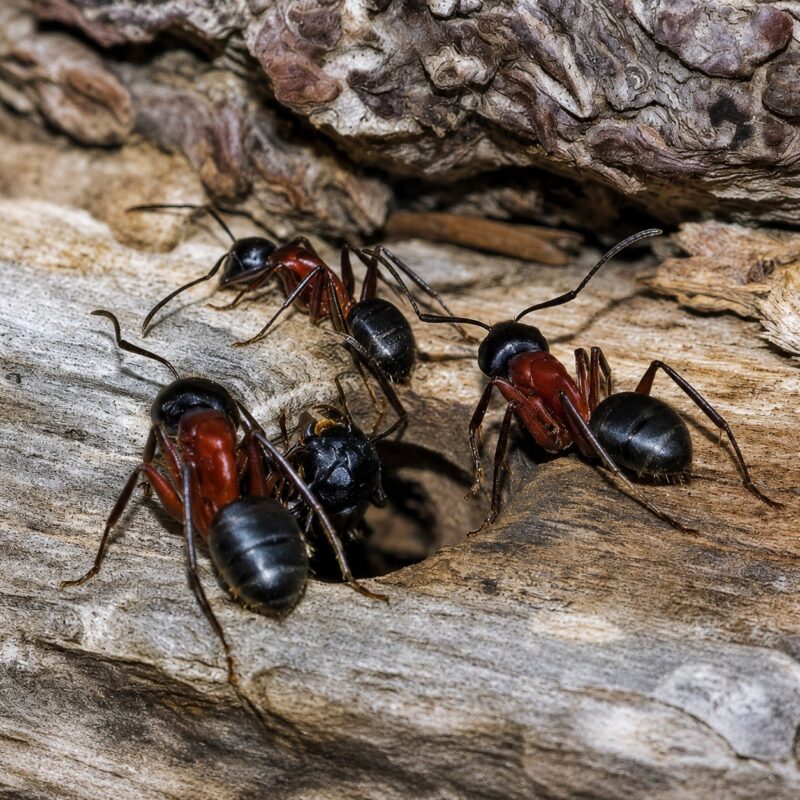
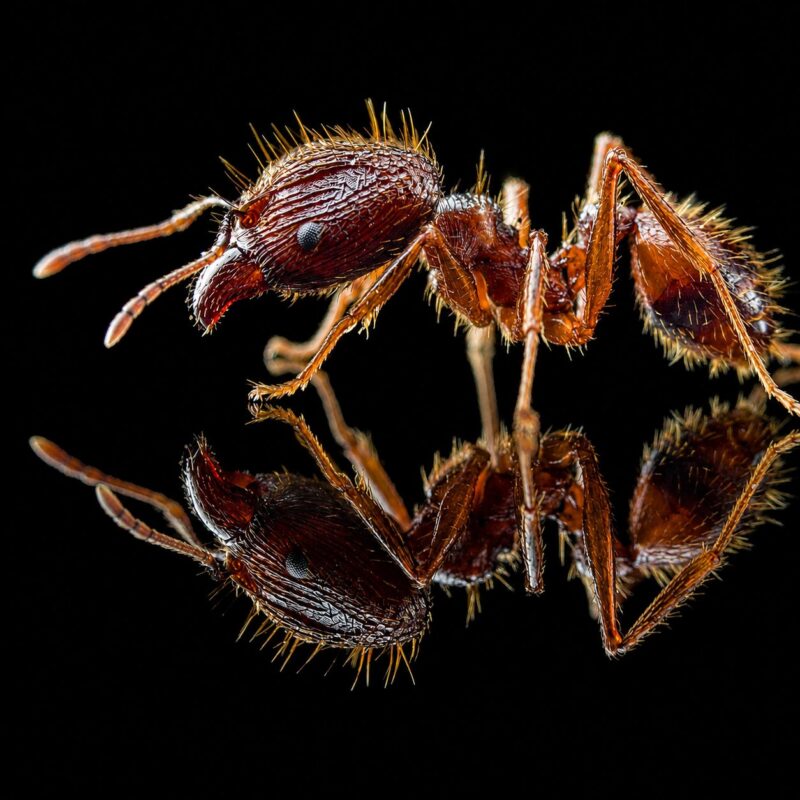
Brachymyrmex laevis, the rover ant, packs several thousand 1-2 mm workers into a colony you could rest in your palm, a magnifier-and-coffee kind of species. Add a Brachymyrmex laevis colony from ANTonTOP.
Free shipping across Europe over 1299 zł.
DHL / InPost / EMS · ships the EU & worldwide.
Intermediate · Q 3-5 mm / W 1-2 mm · Several thousand workers · Not required · Omnivore · Argentina (South America) · No sting, mild bite
Additional information
| Behavior | |
|---|---|
| Keeping difficulty | |
| Origin | |
| Ant size | |
| Hibernation | |
| Sting |
No sting |
Brachymyrmex laevis – Rover ant
| Origin | Argentina (South America) |
|---|---|
| Difficulty | Intermediate |
| Colony form | Polygyne (2+ queens) |
| Max workers | Several thousand workers |
| Queen | 3-5 mm |
| Worker | 1-2 mm |
| Soldier / major | – |
| Founding | Claustral |
| Temperature | 22-26 °C |
| Humidity | 60-80% |
| Hibernation | Not required |
| Diet | Omnivore |
| Sting / bite | No sting, mild bite |
| Egg to first worker | 4-5 weeks |
| Queen lifespan | 6-10 years |
| Nuptial flight | July-October |
| Activity | diurnal |
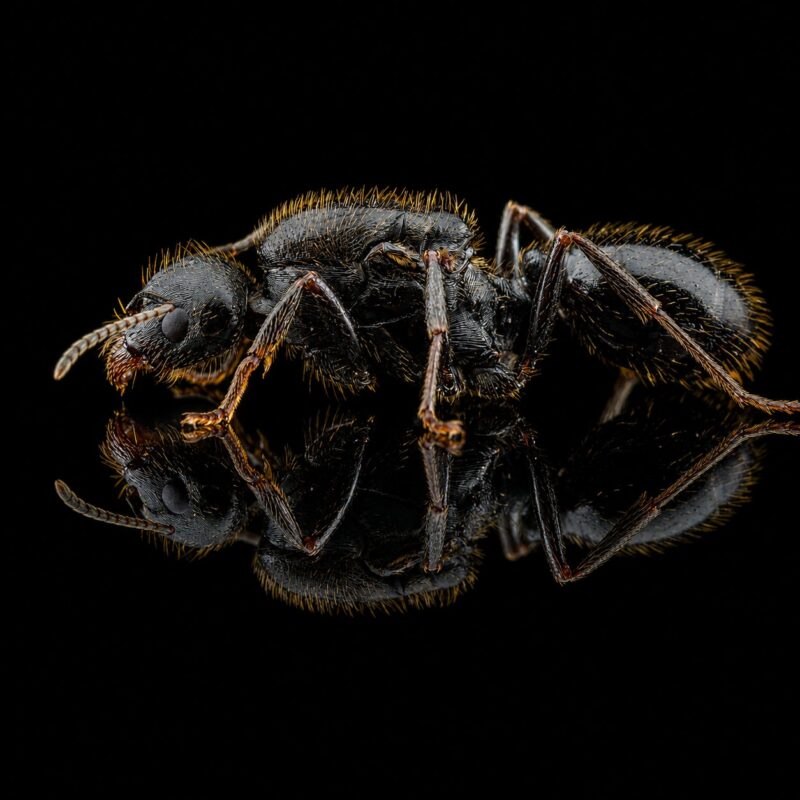
Brachymyrmex laevis, the rover ant from Argentina, is one of the smallest ants in the hobby, a dense, busy colony you can hold in one hand. A fun intermediate step up.
Why this species
The draw here is scale in reverse: rover ants are so tiny that a magnifier earns its place beside the nest, and watching that much life packed into a few centimetres is a different kind of fun. They are sugar-loving foragers in the wild and take readily to honey and small insects in the arena. Handling stays relaxed thanks to a mild bite and no sting. The intermediate rating is about the size, not the temperament; minute workers escape gaps a larger ant never could, so containment and steady feeding are where your attention goes. A great pick if you want something properly different.
Feeding
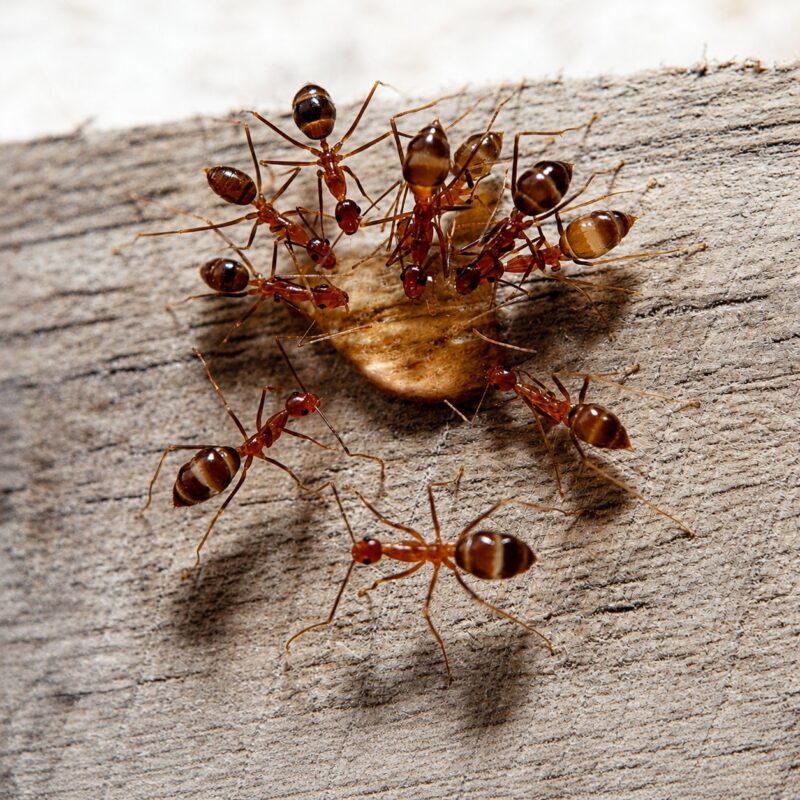
A sugar-leaning omnivore: these minute ants are strongly drawn to sweets and honeydew for energy, taking small soft insects as the protein that feeds the brood. Keep a sugar source always available and offer little bits of insect protein through the week.
| Sugar water / honey water | ★★★ |
| Ant nectar / sugar jelly | ★★★ |
| Honey | ★★★ |
| Protein jelly | ★★★ |
| Crickets | ★★★ |
| Cockroaches (Dubia / Turkish) | ★★★ |
| Fruit flies (Drosophila) | ★★★ |
| Houseflies | ★★★ |
| Locusts | ★★ |
| Boiled egg yolk | ★★ |
| Mealworms | ★ |
| Superworms | ★ |
| Boiled lean chicken / shrimp / meat | ★ |
| Soft fruit (apple, pear, banana) | ★ |
| Dried insects | ★ |
| Soft seeds (poppy, sesame, chia) | ✗ |
| Hard seeds (canary, millet, sunflower) | ✗ |
★★★ readily · ★★ moderately · ★ occasionally · ✗ not eaten
Housing & formicarium
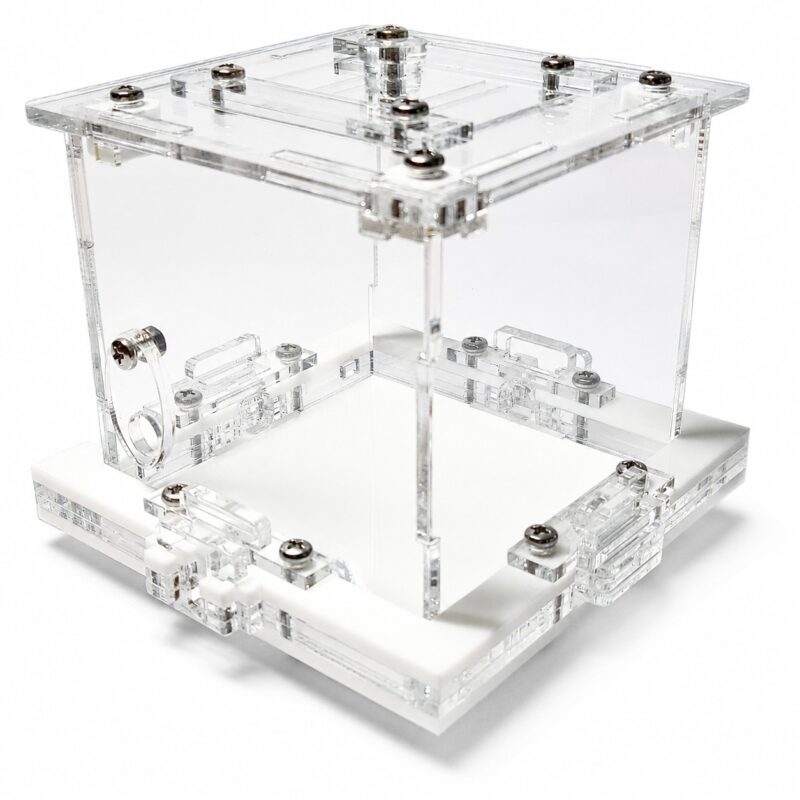
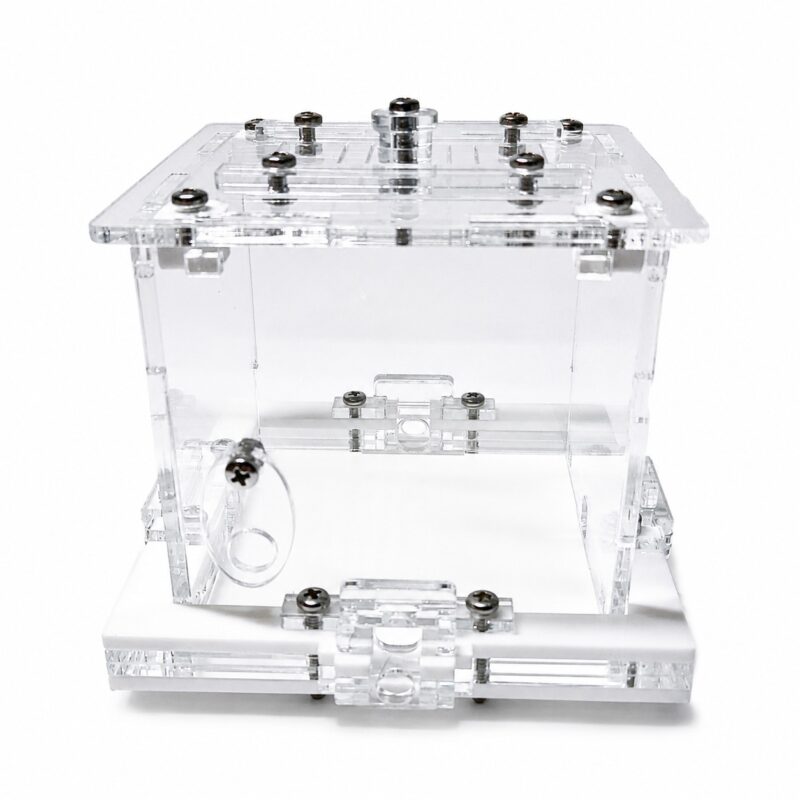
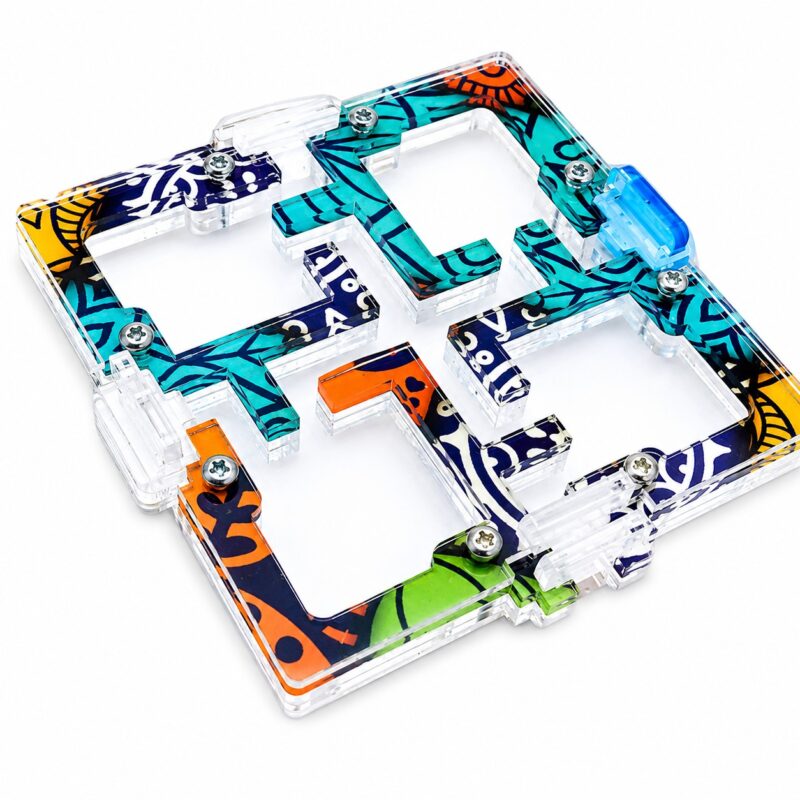
Found the colony in a test tube, then step up to a compact ytong or acrylic nest with very fine connectors. These ants are barely a couple of millimetres across and will slip through any tube or seam a larger species could never breach, so check every joint before you trust it. Move up only when the first nest is properly crowded, since too much room overwhelms such tiny workers. Keep one side dampened and rim the arena with fluon (PTFE), watching for gaps. ANTonTOP formicaria and starter kits give a tight-sealed home scaled to small colonies.
Climate & wintering
Hold the setup at a steady 22-26 °C with humidity around 60-80%. Warm just one end so the colony can string out along a gradient and choose its comfort zone rather than sitting at one fixed temperature. No hibernation is needed here; keep the ants warm and feeding straight through the year instead of cooling them down.
Growth forecast + what you receive
For such a tiny ant the build is quick once several queens are laying, the colony thickening into a dense mass of several thousand workers. Your colony arrives as a queen with workers and brood, a small but complete starting group ready for its first proper nest.
Did you know
- Brachymyrmex are commonly called rover ants, named for the way their tiny workers wander widely in loose, unhurried trails.
- At 1-2 mm they are among the smallest ants kept in the hobby, slipping through gaps that would stop almost any larger species.
- The genus has no sting and only a faint bite, relying on small size and big numbers rather than any real defence.
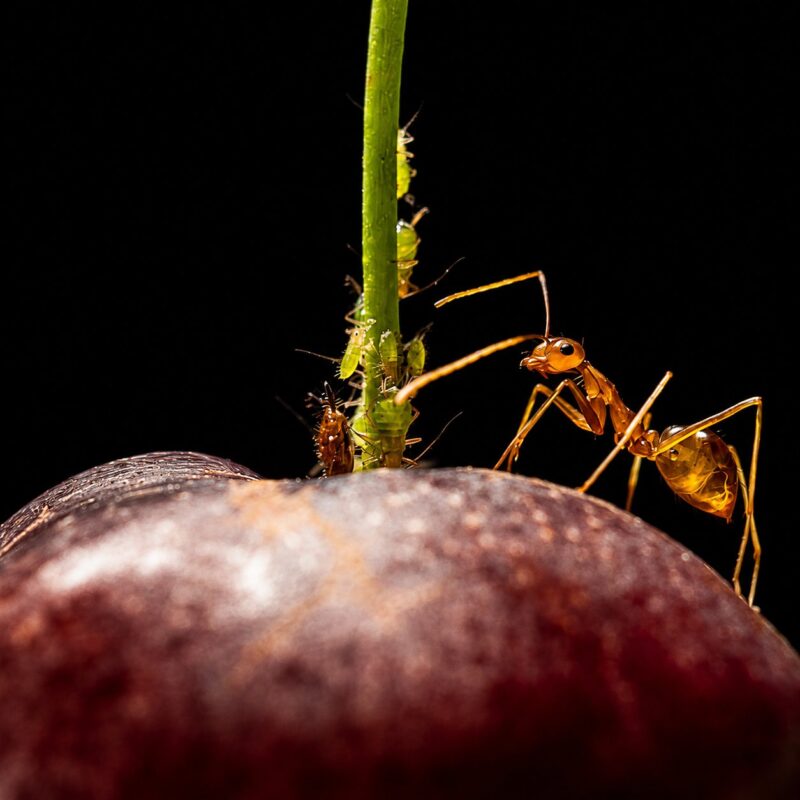
- Brachymyrmex are keen tenders of honeydew from aphids and scale insects, and their fondness for sugar makes them frequent visitors to sweet foods.
Frequently asked questions
Is Brachymyrmex laevis good for beginners?
It is rated Intermediate and doable, but the tiny size and quick growth call for a careful keeper.
Do they need hibernation?
No, hibernation is not required; keep them warm and feeding year-round.
Do they sting?
No sting, just a mild bite.
How big does the colony get?
Several thousand workers thanks to multiple queens.
How large is the queen?
She is 3-5 mm, larger than the 1-2 mm workers but still small.
How fast do they grow?
Quick for such a small ant once the queens are laying together.
What do they eat?
Mostly sugar water and nectar, plus small soft insects for protein.
Will they arrive alive?
Yes, we ship a queen with workers and brood, add a heat or cool pack, and dispatch within 24 h with tracking.
Keeping & shipping essentials
Escape prevention. Coat the inner rim of every open arena with fluon (PTFE), or use talc-and-water or an oil barrier as a backup, and keep a tight, fine-mesh lid on top. Check the barrier regularly, since dust, condensation and feeding debris break a fluon line over time. Keep tubing connectors tight and seal any gaps in the nest.
Keeping reminders. Always offer fresh water and never let the nest dry out completely. Give carbohydrates continuously and protein a few times a week, and remove uneaten insect prey within 24 hours before it moulds. Keep the formicarium out of direct sunlight and away from constant vibration, which stresses a young colony. A water-filled test tube plugged with cotton makes an ideal spare incubator whenever you need one.
Before you buy – do not rehouse too early. Have a test-tube setup or a small formicarium with an outworld and a working barrier ready before your colony arrives. A founding colony grows slowly at first, which is normal. Moving a small colony into a large nest too soon invites mould, mites and stress, and the workers die off one by one. Keep the colony in its open test tube on the arena, plug the nest entrance with cotton, and open up the next chambers only once the colony fills roughly 10-15% of the space.
What we ship. Every colony ships with a live-arrival guarantee, backed by our 24h unboxing-video guarantee: if the queen does not arrive alive, we reship free. Parcels travel with DHL, InPost (PL) or EMS, with a heat or cold pack to suit the season, packed discreetly and securely. We ship across the EU and worldwide, with free shipping over the Europe threshold.

Reviews
Clear filtersThere are no reviews yet.