





If you buy only one dish, make it this one. The Drinking Bowl Medium is the square everyday size, about 3 × 3 cm, holding a useful amount of water without crowding a standard arena. A walk-in slope and low rim keep every worker safe, while a flat side tucks it into a corner. Tough ant-safe plastic, ready for water, sugar water, diluted honey or liquid jelly. Colours are assorted, so the shade may differ from the photo.
The everyday water dish that works in almost any arena.
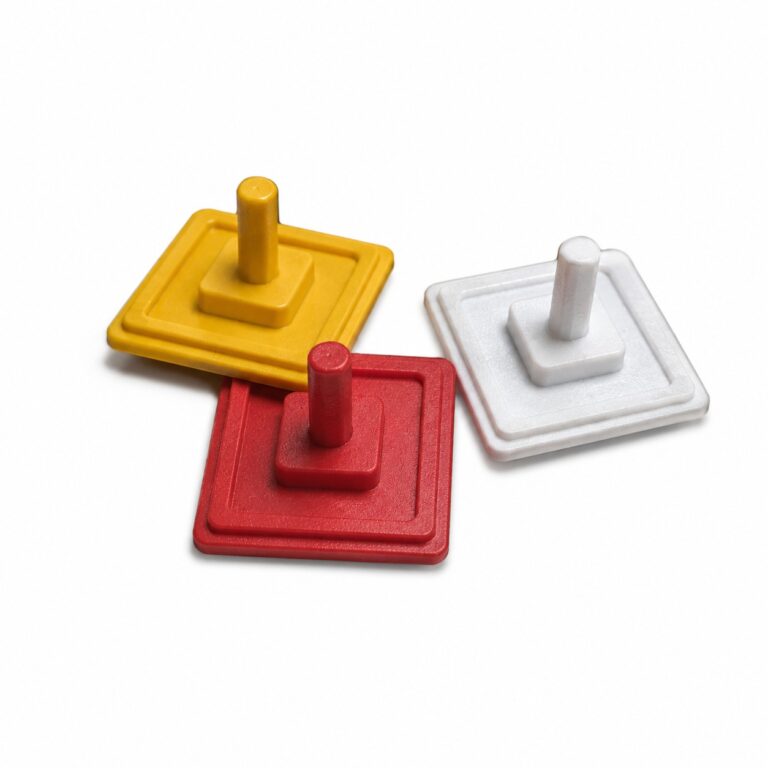
Heavy drinkers such as Camponotus and tropical ants burn through water fast, and the Drinking Bowl Type 2 Large keeps pace: roughly 4 × 4 cm of shallow, 3D-printed dish with a textured floor for grip and a film of water held by surface tension. Workers of every size drink and walk out dry. It doubles as a feed dish for sugar water, diluted honey or liquid jelly. Colours are assorted, so the shade may differ from the photo.
Give a thirsty colony all the water it can reach safely.

Ask most keepers which cup empties first and banana is the answer. Sweet, soft and instantly recognisable, it holds about 16 g of jelly that keeps its shape, lasts 4-7 days in the arena, and feeds clean carbohydrate without a single spill. A dependable go-to for Camponotus, Lasius and harvester ants like Messor.
Want fast takeup? Drop a banana cup in the cart.
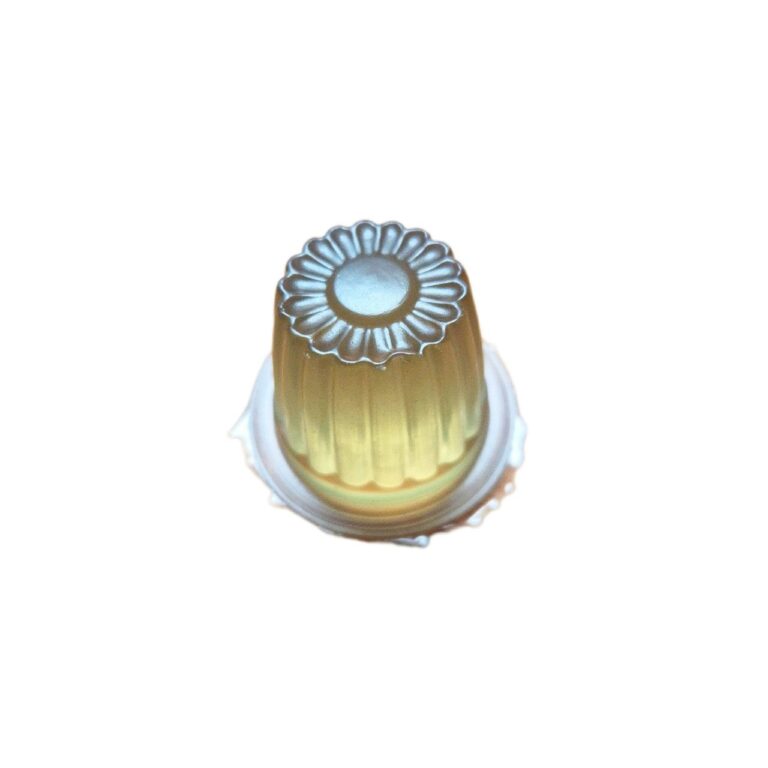
Light, fresh and easy on the palate, melon is the summery cup of the range. Around 16 g of soft jelly that keeps its shape in the arena, lasts 4-7 days, and feeds clean carbohydrate with no spills or sugar puddles. An effortless crowd-pleaser for Camponotus, Lasius and even harvester ants like Messor.
Add a melon cup for a fresh twist on the menu.
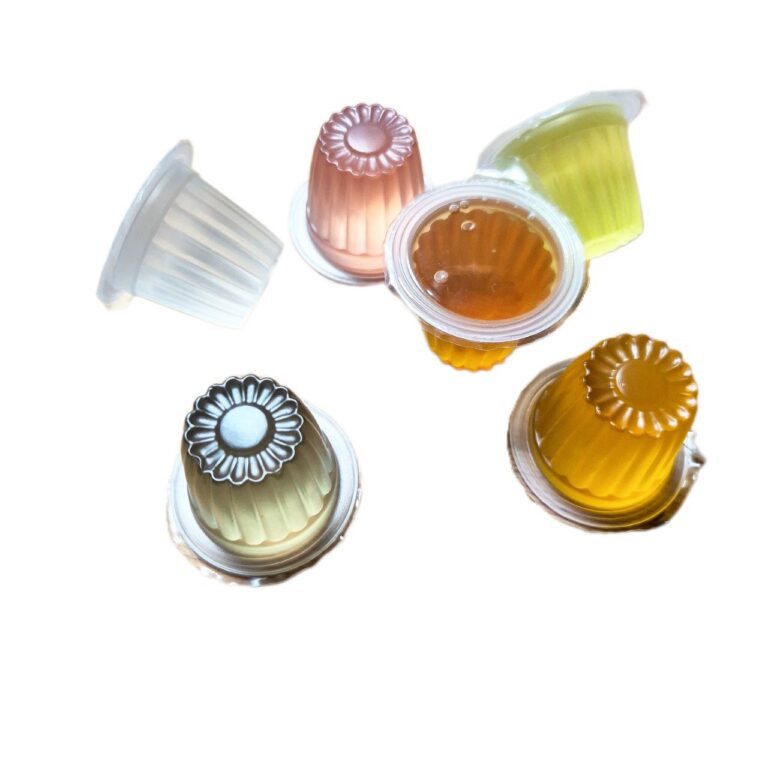
You order the cup, we pick the flavour, and that surprise is the whole point. The mixed selection ships an assorted ~16 g jelly cup so you can spot which one your colony swarms hardest, with all the usual clean carbohydrate, 4-7 days in the arena and no mess. Suits Camponotus, Lasius and harvester ants like Messor.
Not ready to commit to one flavour? Let us surprise you.
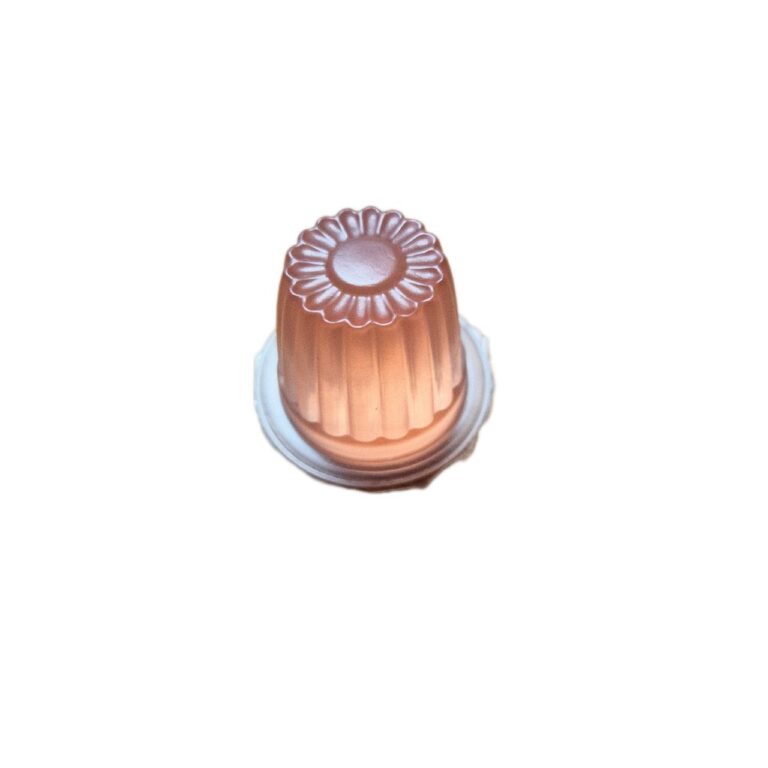
Ripe, sweet strawberry earns its place as one of the rarely-refused flavours in the range. Inside sits about 16 g of soft jelly that keeps its shape, lasts 4-7 days in the arena, and feeds clean carbohydrate with no syrup and no drowning risk. Camponotus, Lasius and harvester ants like Messor take to it eagerly.
Go for a crowd favourite — add a strawberry cup.

Creamy instead of sweet, the yogurt cup is what to reach for when a run of fruity flavours needs a break. Roughly 16 g of soft, mellow jelly that stays firm in the arena and keeps well for 4-7 days, with no spills or drowning risk. Camponotus, Lasius and harvester ants like Messor all take it.
Rotate in something mellow — drop a yogurt cup in the cart.


Big colonies burn through seed. Grain Set Large is the bulk pack for established granivores — 500 workers and up — that empty a small pack in days. Millet, poppy, sesame, flax and other grains, the full natural diet for Messor, Pogonomyrmex, Aphaenogaster and Veromessor. Natural seeds, no chemical treatment. Same blend as the Small and Medium packs; only the quantity differs. Keep the granaries stocked all season.
Less refilling, more colony — keep the bulk pack on the shelf.
The middle pack in our grain range, sized for a harvester colony that has left the founding tube behind but isn’t a giant yet. Millet, poppy, sesame, flax and other grains make up the working diet for Messor, Pogonomyrmex, Aphaenogaster and Veromessor. Natural seeds, no chemical treatment. Same blend as the Small and Large packs; only the amount changes. Keep it dry, top up steadily through the season.
The everyday refill for a growing colony.
Founding a harvester colony? Start here. A starter pack of mixed seed (millet, poppy, sesame, flax and more) sized for queens with their first 10–100 workers, and for testing whether a new species takes the blend before you commit. Identical grains to our Medium and Large packs in a fresh, fast-used quantity. Natural seeds, no chemical treatment. Crush a few for tiny colonies; add jelly during brood-rearing.
The right first seed for a young Messor or Pogonomyrmex.
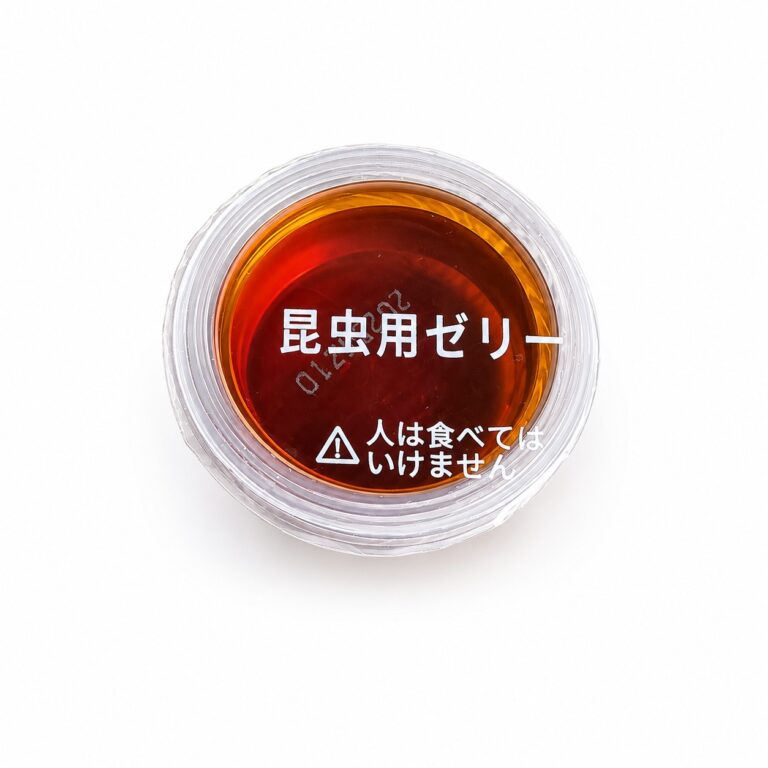
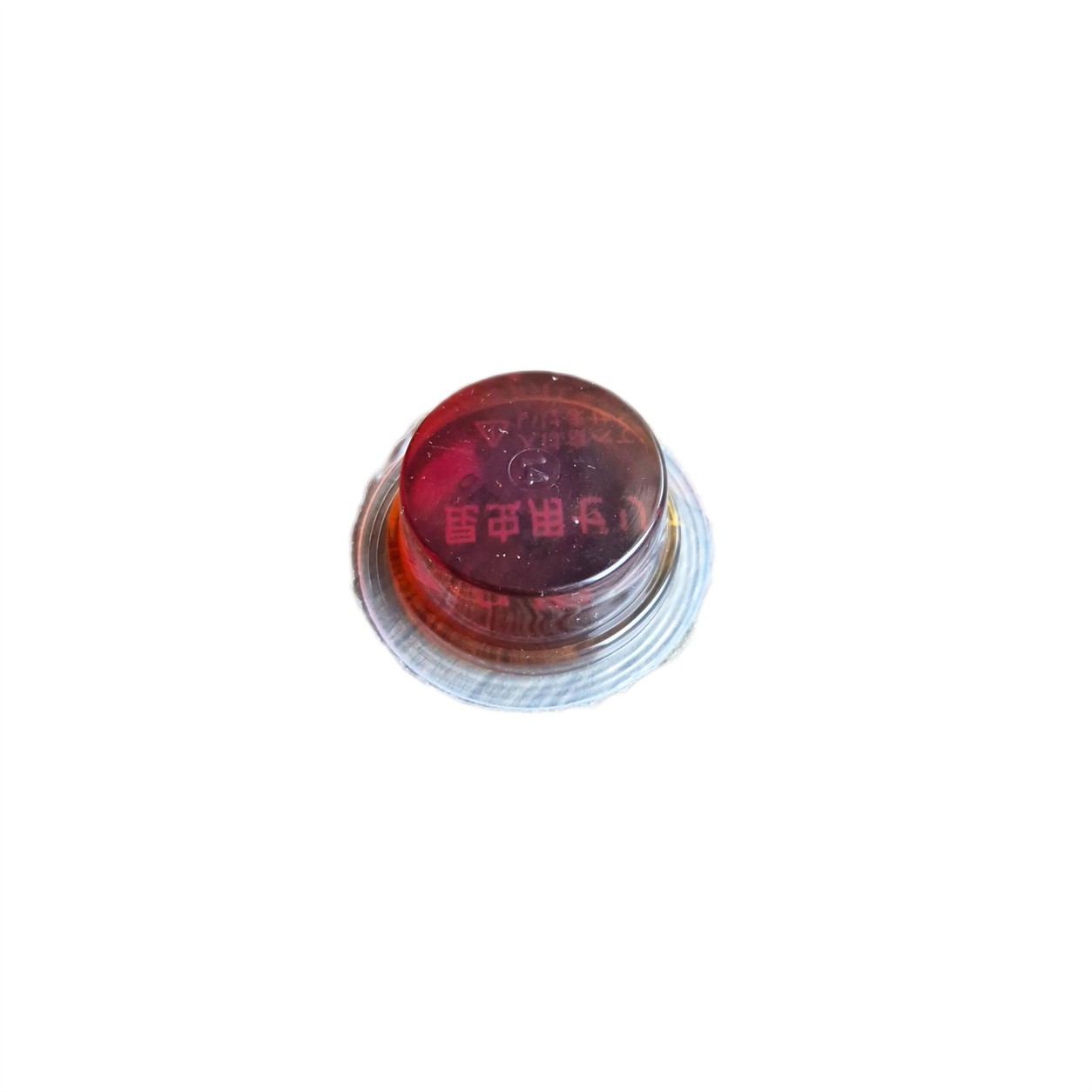
Deeper and more caramelised than a plain honey jelly, Brown Candy carries a brown-sugar note some colonies respond to more strongly than anything sweeter. Each single-use ~16 g cup holds its shape, stays good 4-7 days in the arena, and feeds clean carbohydrate with no sticky mess. Nearly every species takes it, Messor included.
Peel, place, and your colony has energy it comes running for.
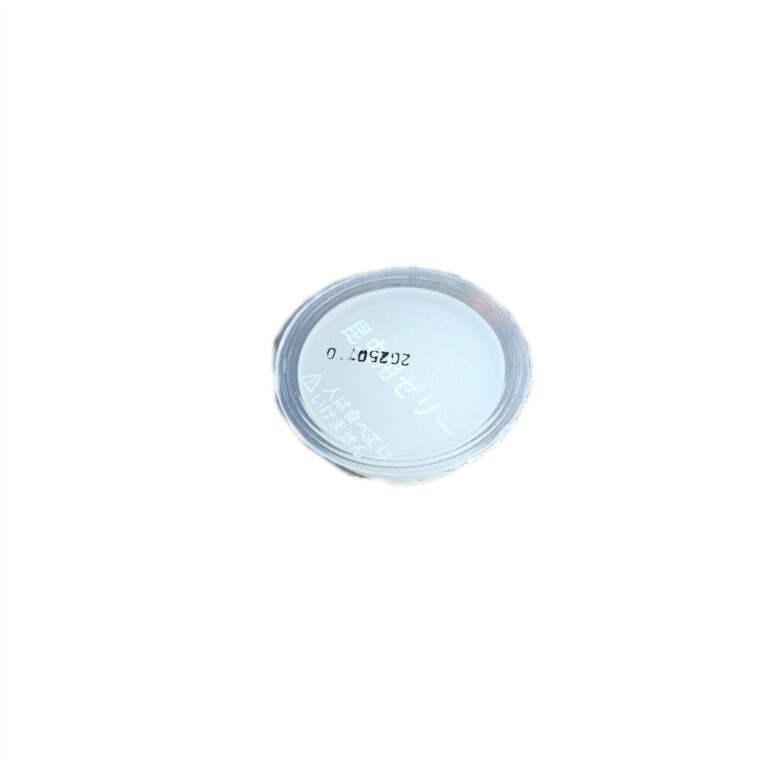
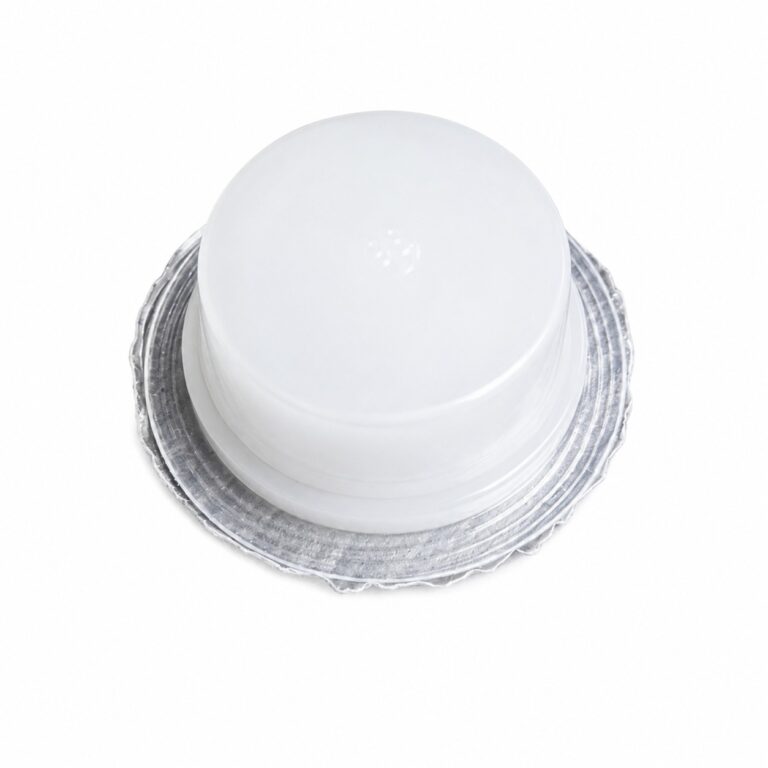
Peel the foil, drop it in, watch the brood grow. Jelly Food White Protein is a sealed, ready-to-feed protein cup (approx. 16 g) of soft white paste — the cleanest way to put protein in front of larvae, no live or frozen prey to handle. Stays fresh 4–7 days in the arena. Taken by most omnivorous and carnivorous species, and even harvester ants like Messor feed on it for brood protein. Run it alongside our carbohydrate jellies for a balanced diet.
Keep a few cups on the shelf and open one when the colony is rearing brood.
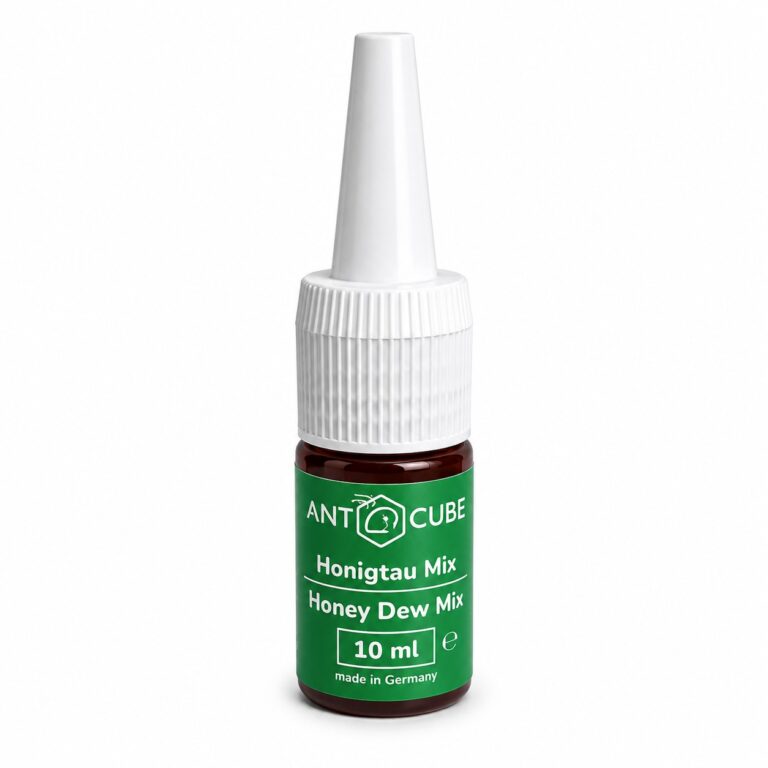
The classic first food for a new queen. One drop of this natural honey, diluted in a little water, gives a founding queen and her first nanitics clean energy without the drowning risk of raw honey. A 10 ml dropper lasts a small colony a very long time. Taken eagerly by nearly every species, even harvester ants like Messor.
Starting a queen? This is the food to have on hand.
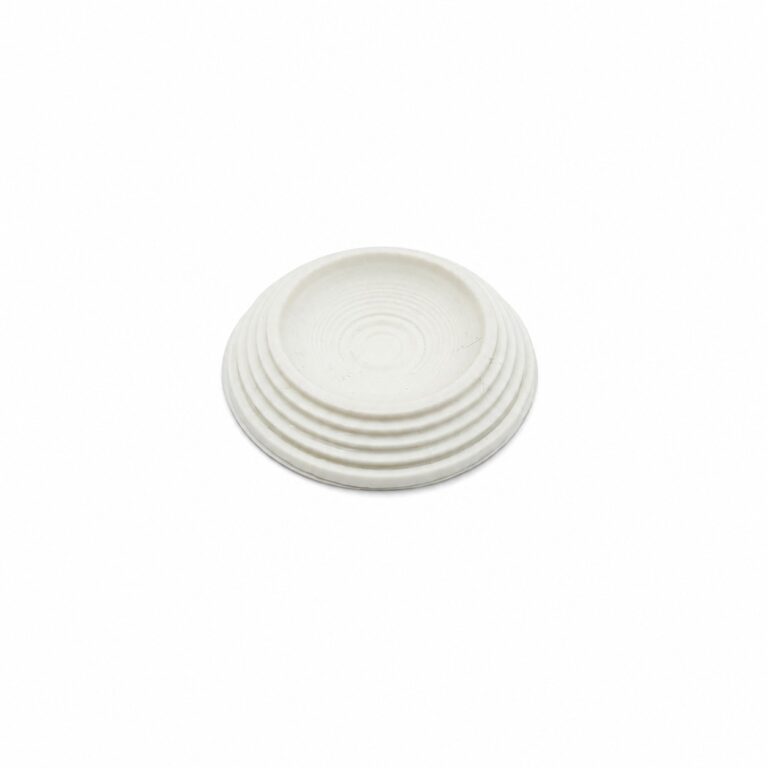
Round by design. The Large bowl offers a continuous drinking edge with no corners, so a busy colony fans out and more workers reach the water at once. It measures about 4 cm across, 3D-printed in ant-safe plastic, with a shallow walk-in floor that lets even the smallest workers sip and climb out dry. Holds water, sugar water, diluted honey or liquid jelly.
Add it to a thirsty arena and watch the queue at the water disappear.
A young queen has only a handful of workers, and a deep cup or a soaked cotton plug can pick them off one by one. The Round Drinking Bowl Small answers that: ⌀≈2 cm, 3D-printed, with a shallow walk-in floor and a corner-free edge scaled for a test tube or nano arena. It holds water, sugar water, diluted honey or liquid jelly without risking a single forager.
Give your first workers somewhere safe to drink.
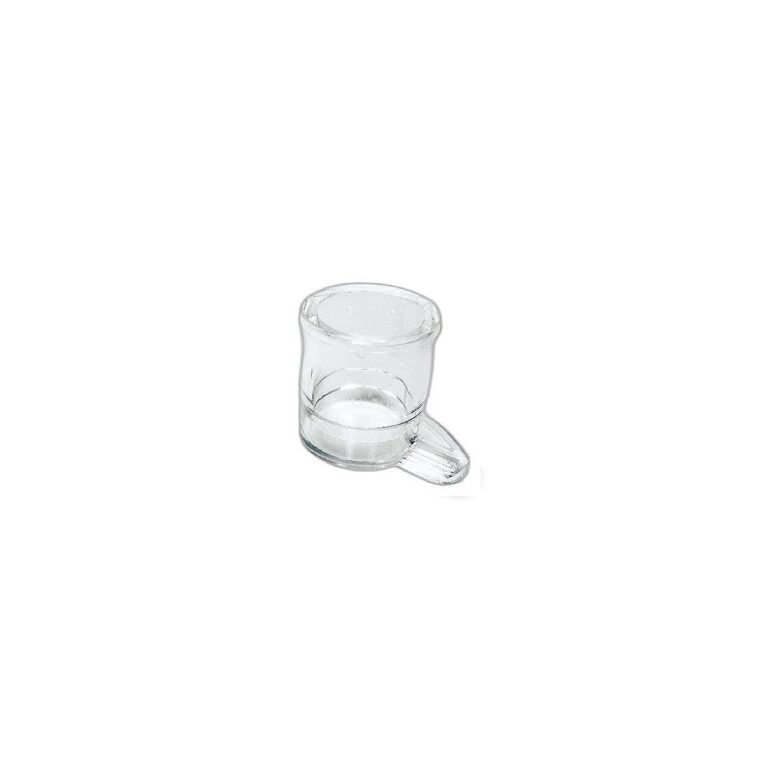
Water the entire colony from one clear dish — first nanitics through to a full foraging arena. The Acrylic Drinking Bowl Large runs 4.2 cm long, 3.2 cm high and 2.5 cm across, the bigger of the clear sizes, and its walk-in slope stays shallow enough for callow workers while giving established foragers room to gather. The see-through wall shows the level, so you top up before it empties. Cast from inert acrylic and ready for water, sugar water, diluted honey or liquid jelly.
Give every worker a safe place to drink, from the first to the largest.
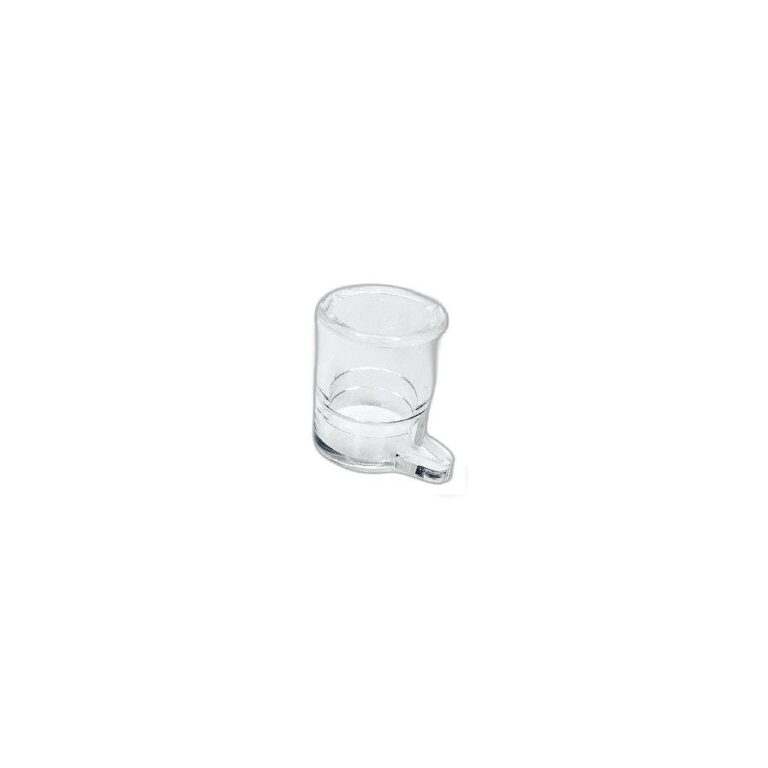
The middle clear size that fits almost anywhere. The Acrylic Drinking Bowl Medium spans 2.5 cm across and stands 2 cm high — a shallow walk-in dish where the tiniest workers step in, drink and climb back out unharmed. Its transparent wall lets you check the water at a glance and top up before the colony runs it dry, and the inert cast acrylic wipes clean without holding a smell. Handles water, sugar water, diluted honey or liquid jelly.
Keep fresh water in reach without risking a single worker.

A small dish empties quickly, and that is precisely where clear acrylic earns its place — you spot the last few drops and refill in time. The Acrylic Drinking Bowl Small measures 2.5 cm long, 1.8 cm high and 1.5 cm across, a shallow walk-in dish scaled for a test tube or nano arena where tiny workers must drink and climb out safely. Inert cast acrylic, ready for water, sugar water, diluted honey or liquid jelly.
The compact dish made for first workers and tiny arenas.
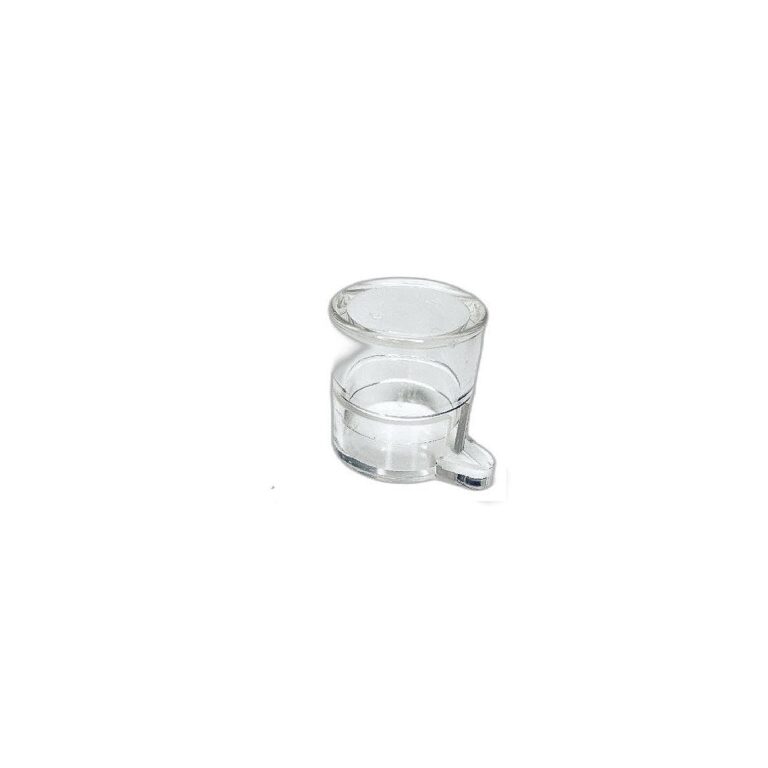
More capacity, the same safe profile. The Acrylic Drinking Bowl XL holds the most of the clear range at 3.2 cm across and 3 cm high, so a populous colony stretches further between refills, while the shallow walk-in slope still lets the smallest workers drink and climb out. Its clear side shows the level at a glance, and the inert cast acrylic wipes clean. Takes water, sugar water, diluted honey or liquid jelly.
More water, fewer refills, for a thriving colony.
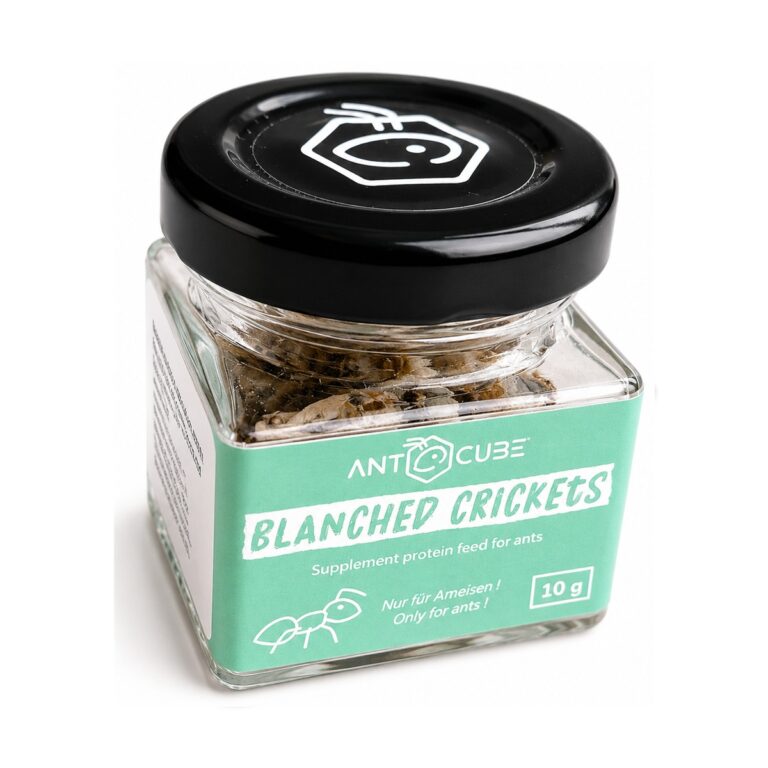
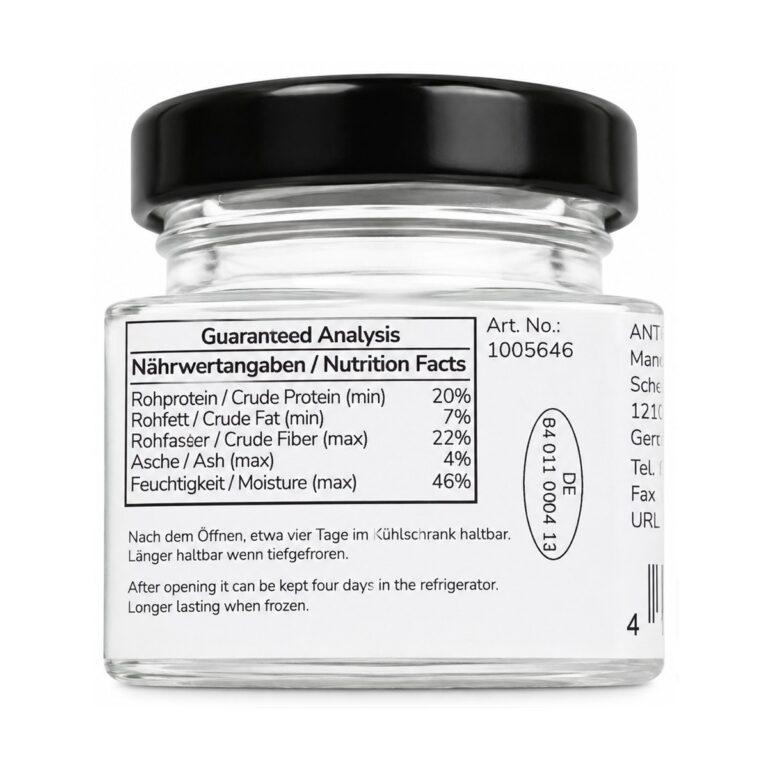
Give the workers something to dismember. Blanched Whole Crickets are pre-killed, briefly boiled crickets preserved in a sealed jar — whole-prey protein for brood, ready to feed, with no live insects to store or escape. The classic protein source for growing colonies of Camponotus, Pheidole, Lasius and tropical species, and the format that lets workers process prey the way they do in the wild. Once opened, refrigerate and use within about a week, or freeze spare portions. Pairs with ANTonTOP jellies and a drinking dish.
Feed your brood real whole prey, no live insects to keep.