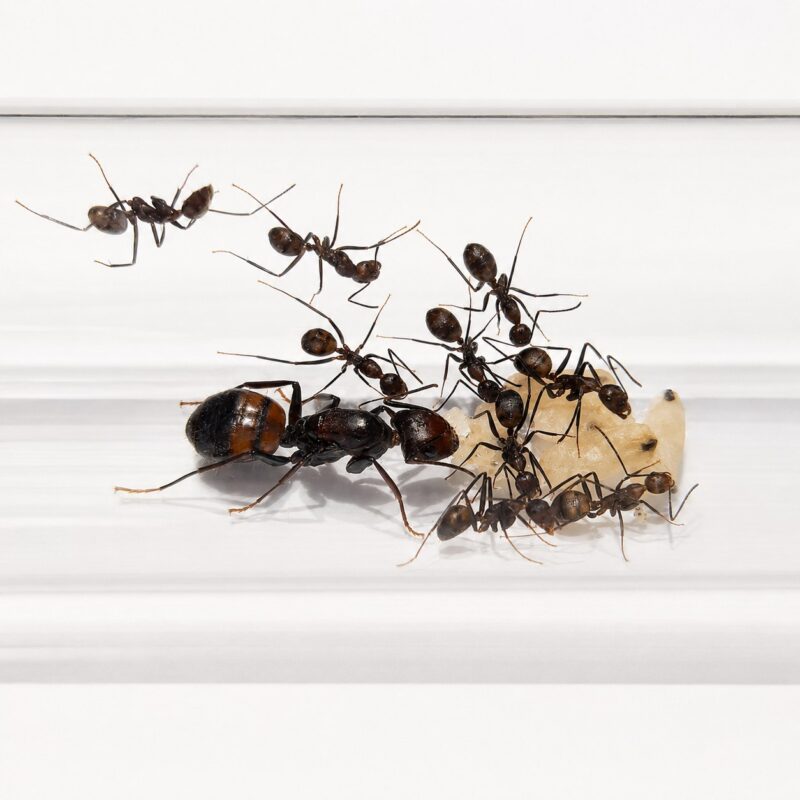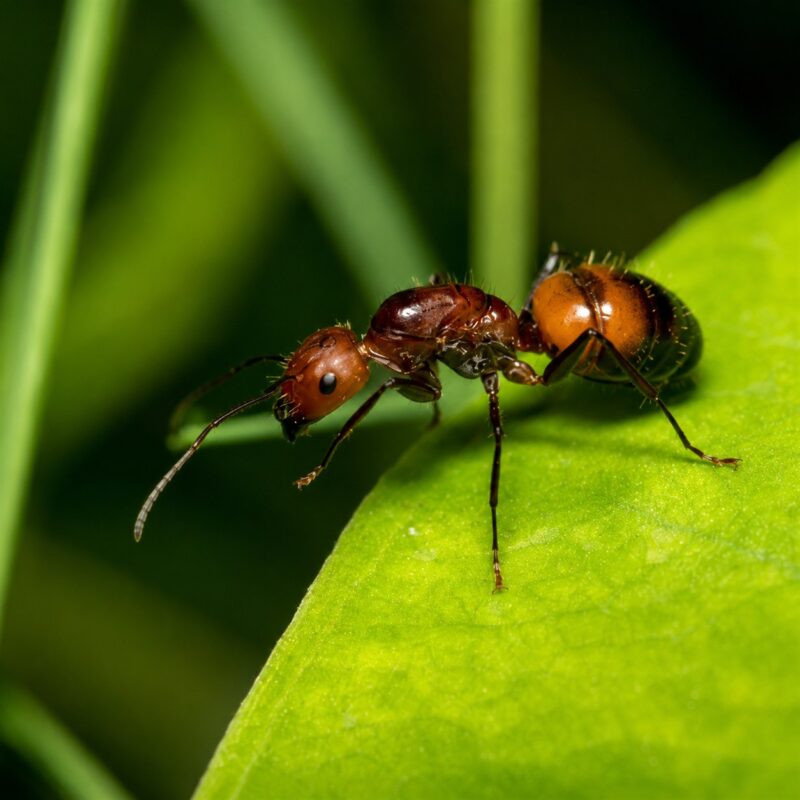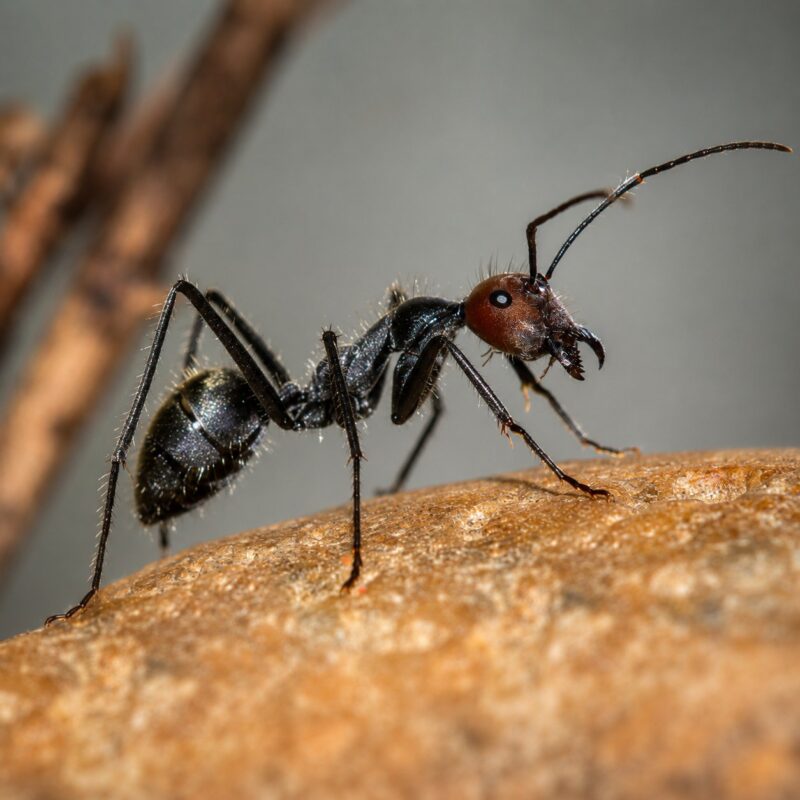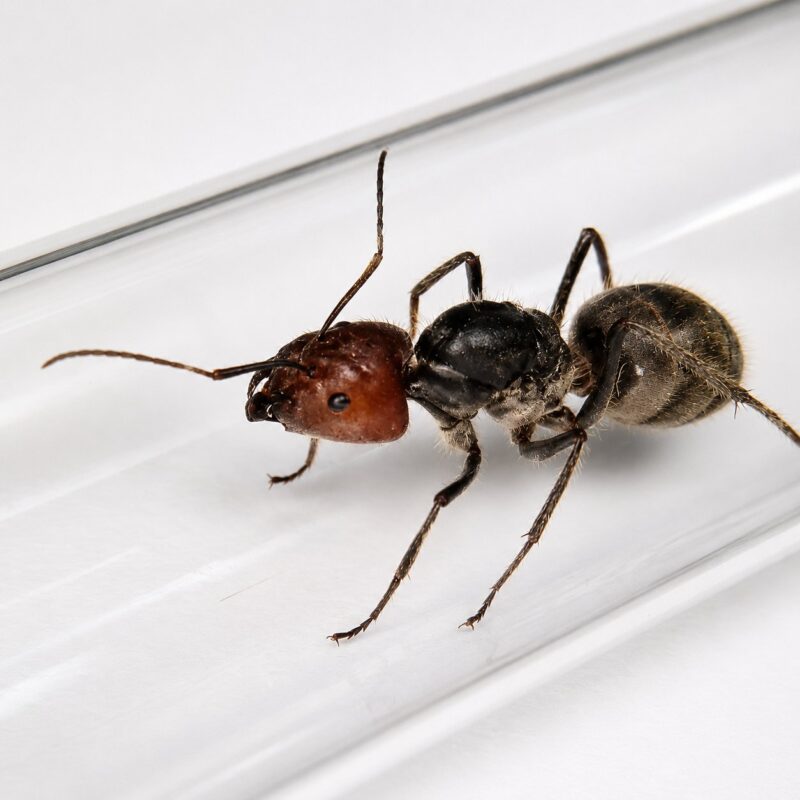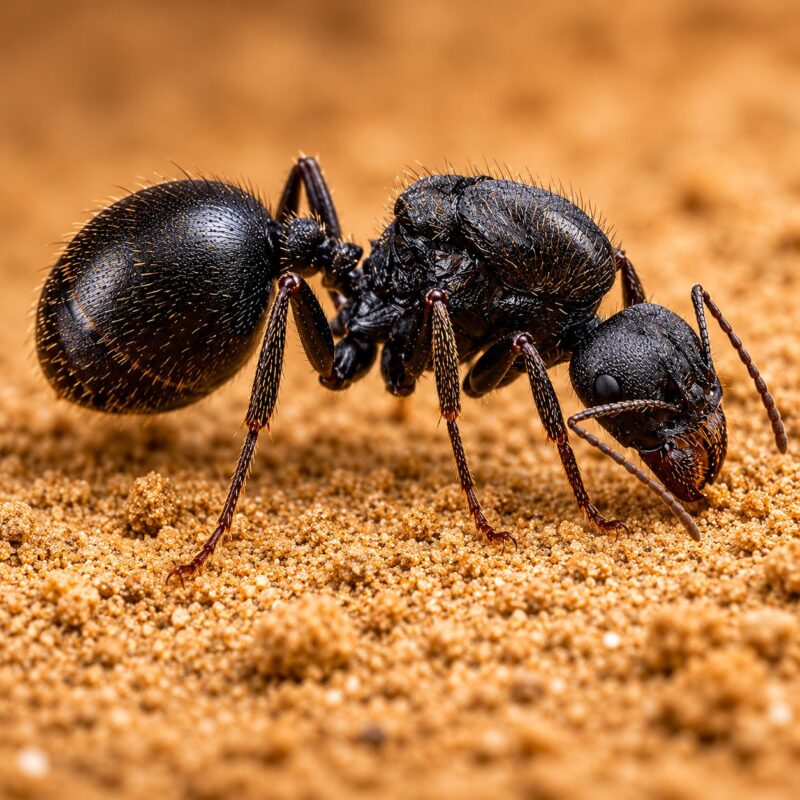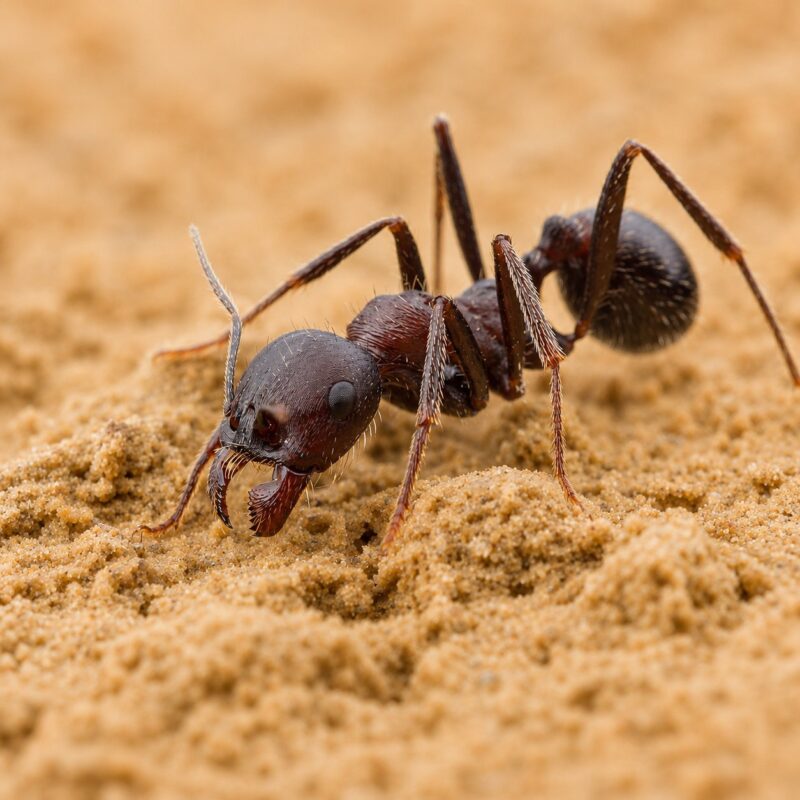

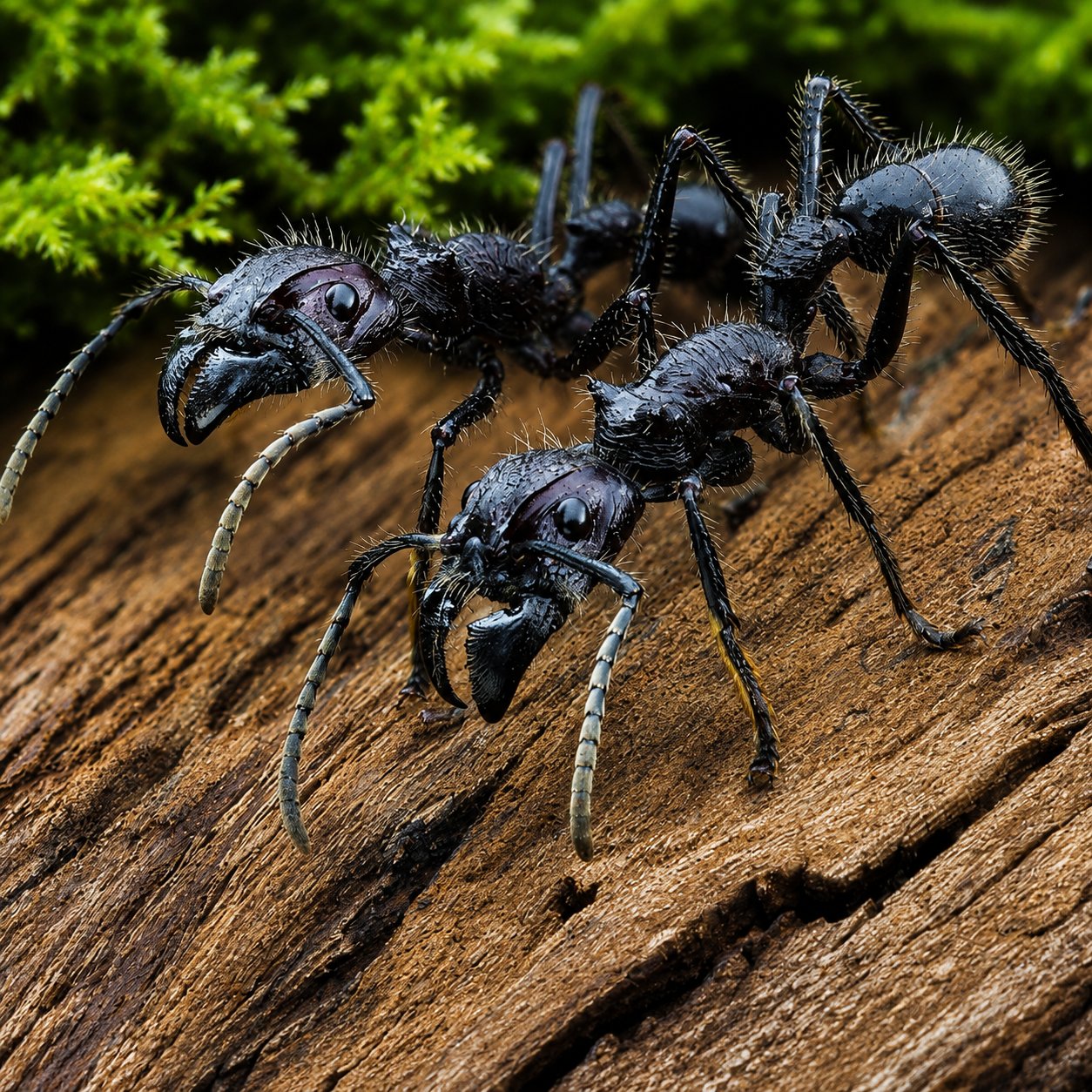
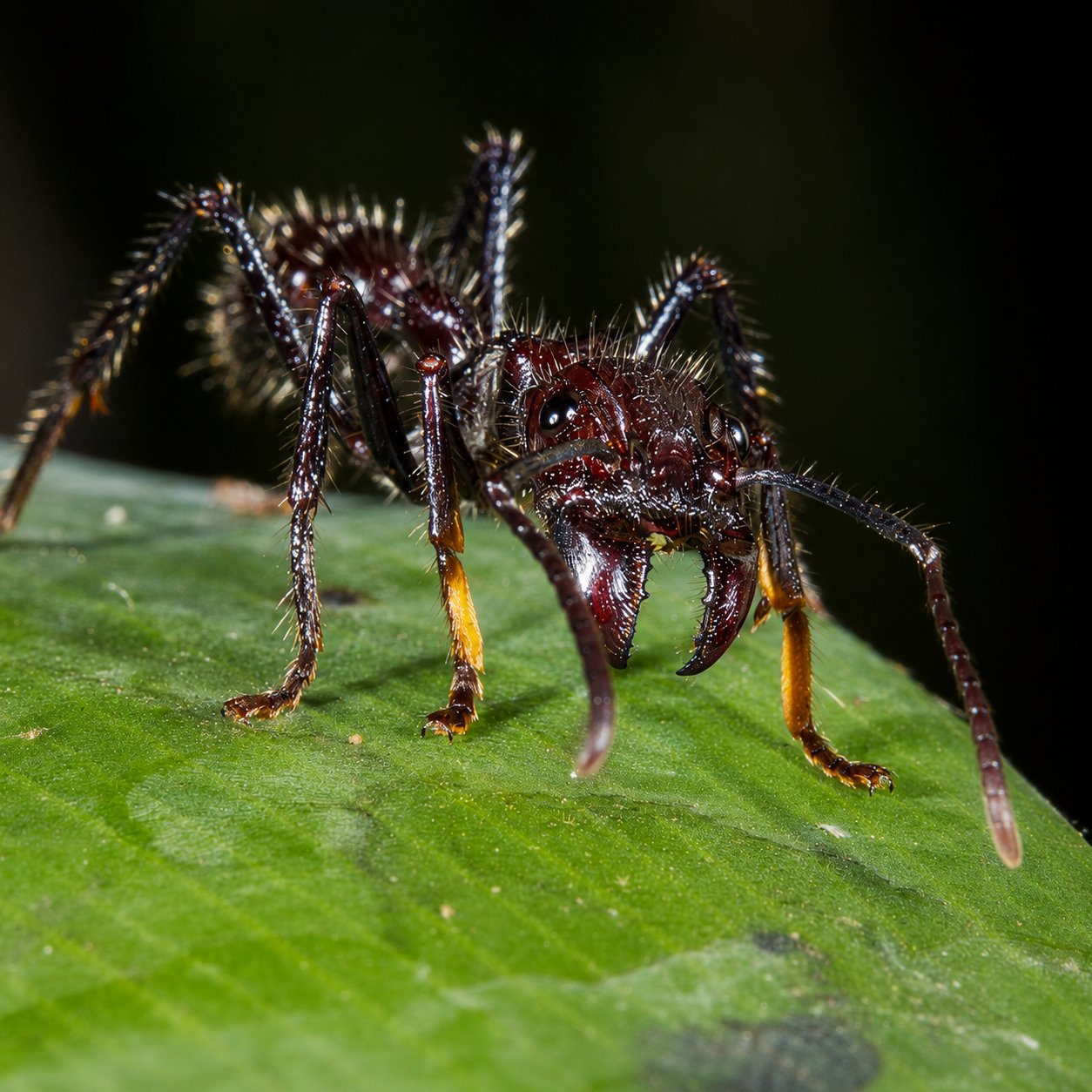
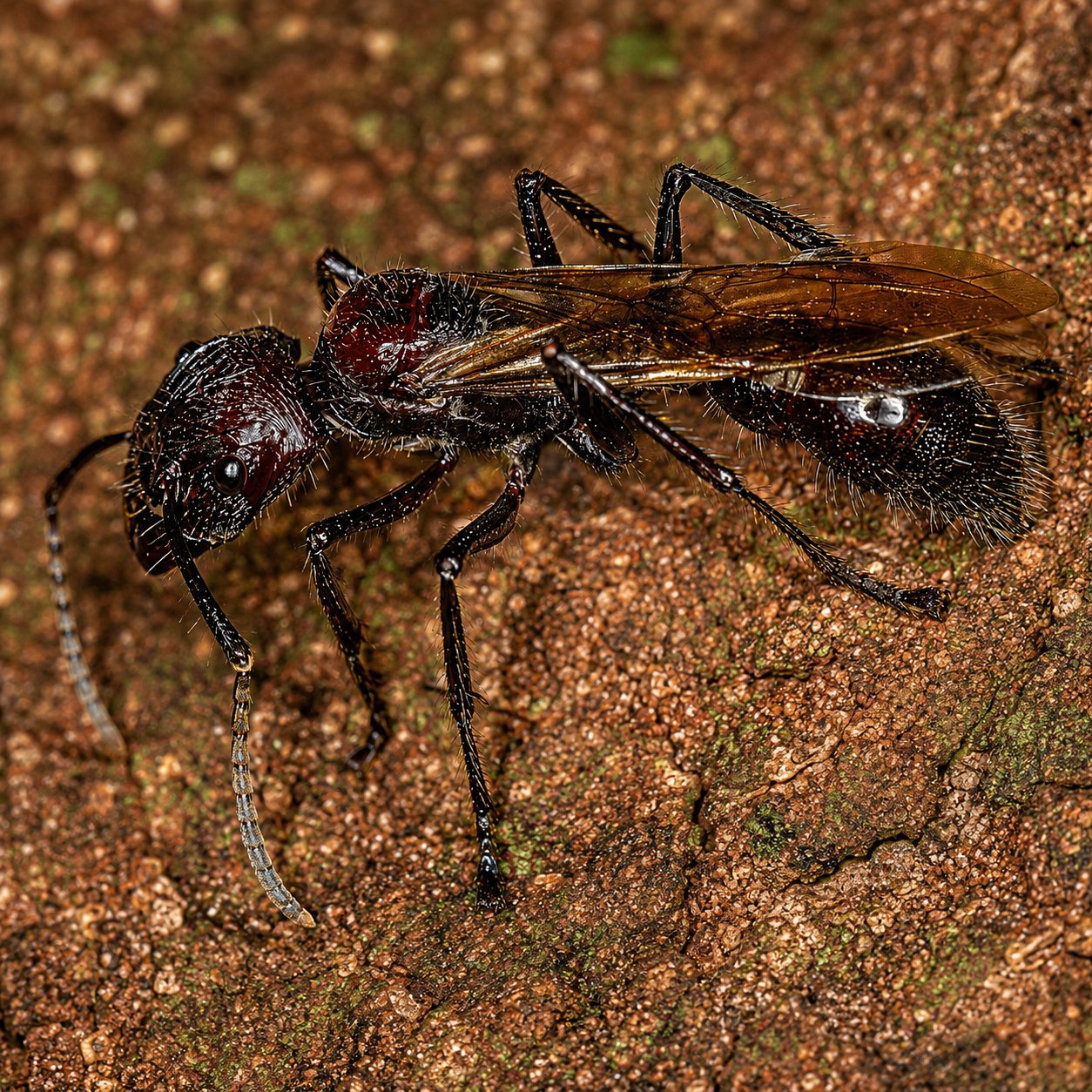
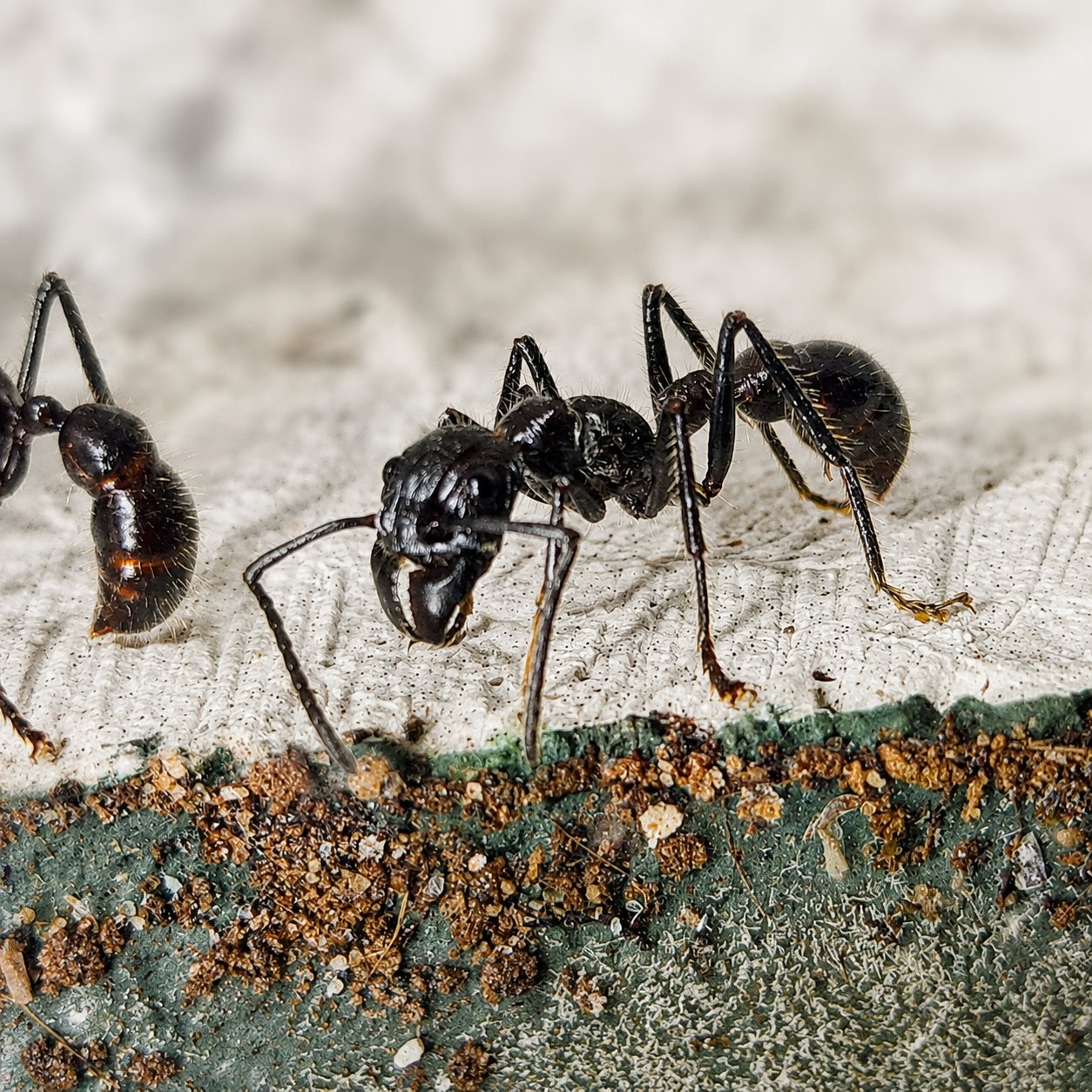
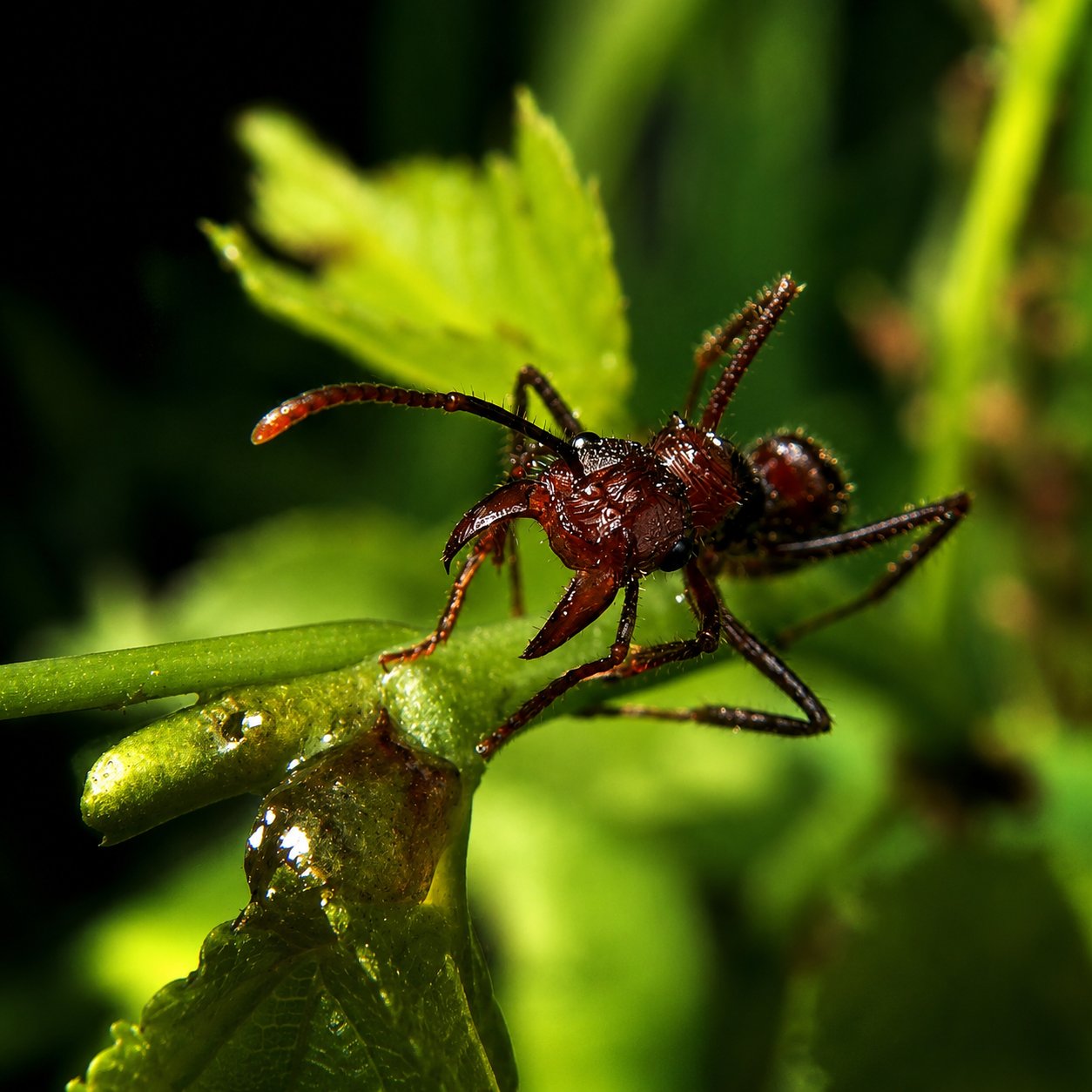
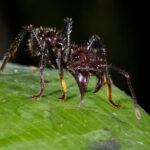
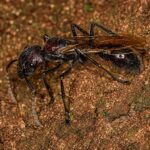
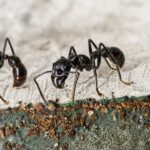
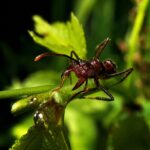
Paraponera clavata
2299,90 zł – 4599,90 złPrice range: 2299,90 zł through 4599,90 zł
Live Queen Guarantee
Heat Pack & Summer Cooling
Fertilised Queen in Every Colony
Ships Within 24 h
Free Care Guide
24/7 Expert Support
Description
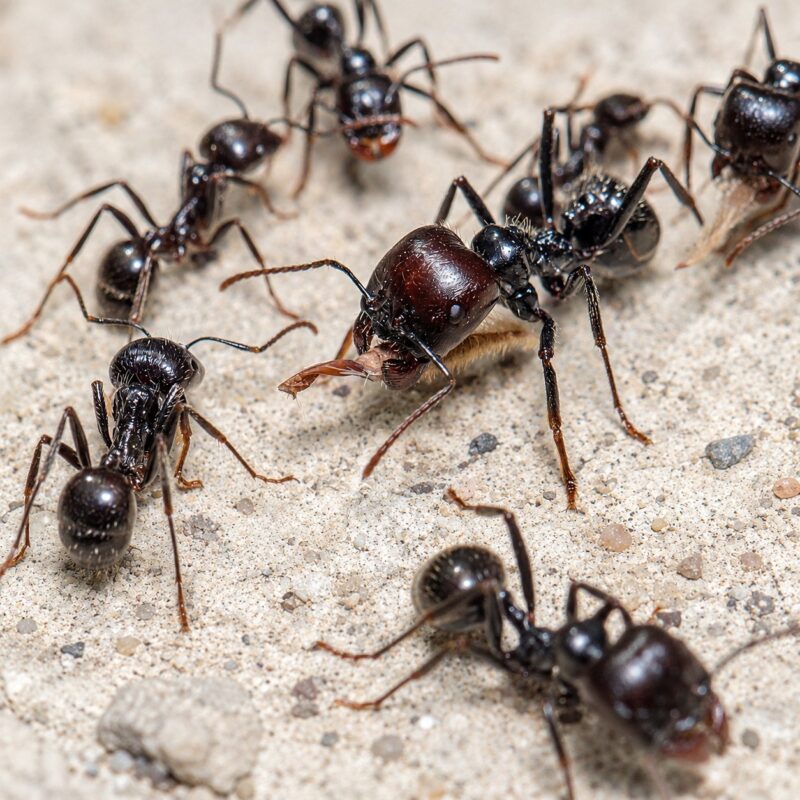
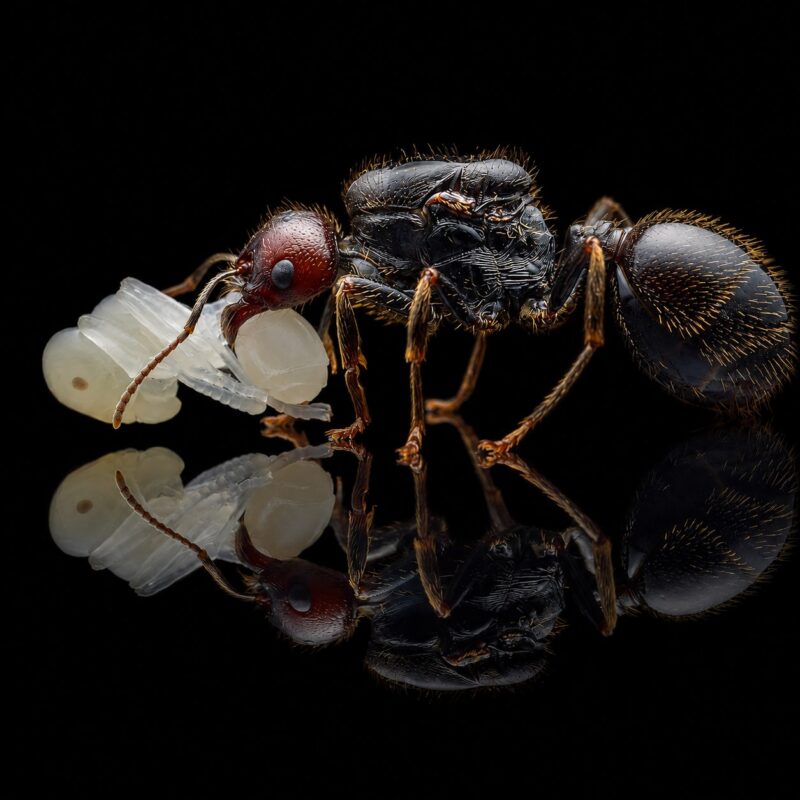
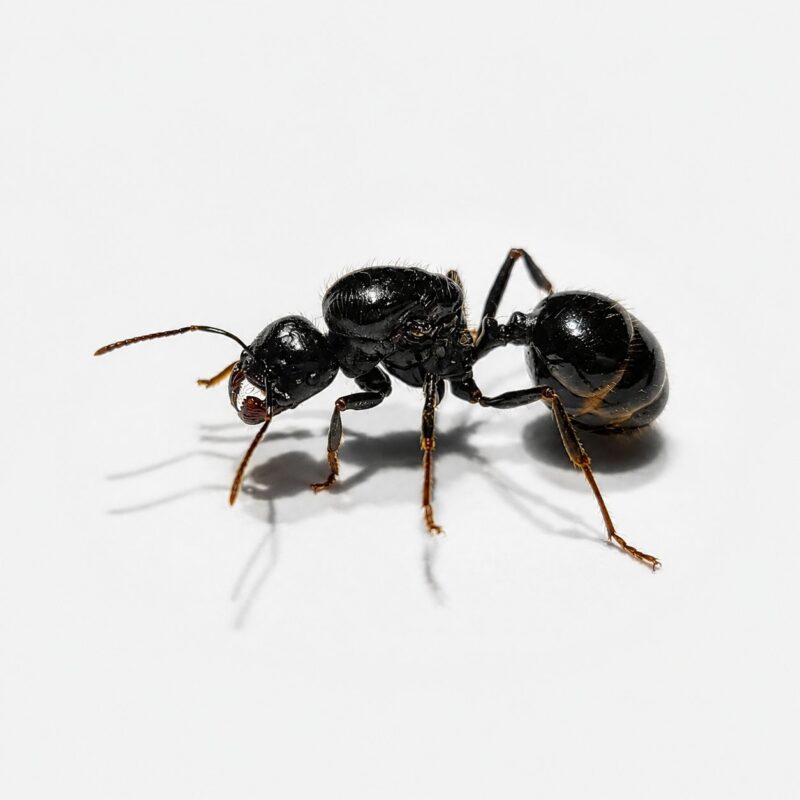
The legendary bullet ant carries the most painful sting catalogued anywhere in the insect world, on a giant body to match, the ultimate display species for the expert who respects it. Add a showpiece colony of Paraponera clavata at ANTonTOP, for experienced keepers only.
Free shipping across Europe over 1299 zł.
DHL / InPost / EMS · ships the EU & worldwide.
Pro · Q 26-30 mm / W 20-26 mm · Up to 3,000 workers · No hibernation (tropical) · Predator · South America (Central and South America) · Sting (severe, Schmidt 4, bullet ant)
Additional information
| Behavior | |
|---|---|
| Keeping difficulty | |
| Origin | |
| Ant size | |
| Hibernation | |
| Sting |
Has sting |
Paraponera clavata – Bullet ant
| Origin | South America (Central and South America) |
|---|---|
| Difficulty | Pro |
| Colony form | Monogyne (1 queen) |
| Max workers | Up to 3,000 workers |
| Queen | 26-30 mm |
| Worker | 20-26 mm |
| Soldier / major | – |
| Founding | Semi-claustral |
| Temperature | Nest 24-27 °C / Arena 24-28 °C |
| Humidity | Nest 75-90% / Arena 65-80% |
| Hibernation | No hibernation (tropical) |
| Diet | Predator |
| Sting / bite | Sting (severe, Schmidt 4, bullet ant) |
| Egg to first worker | ~24-26 weeks (~6 months) |
| Queen lifespan | 10-20 years |
| Nuptial flight | dry-to-wet season transition (onset of rains) |
| Activity | both (mainly nocturnal/crepuscular) |
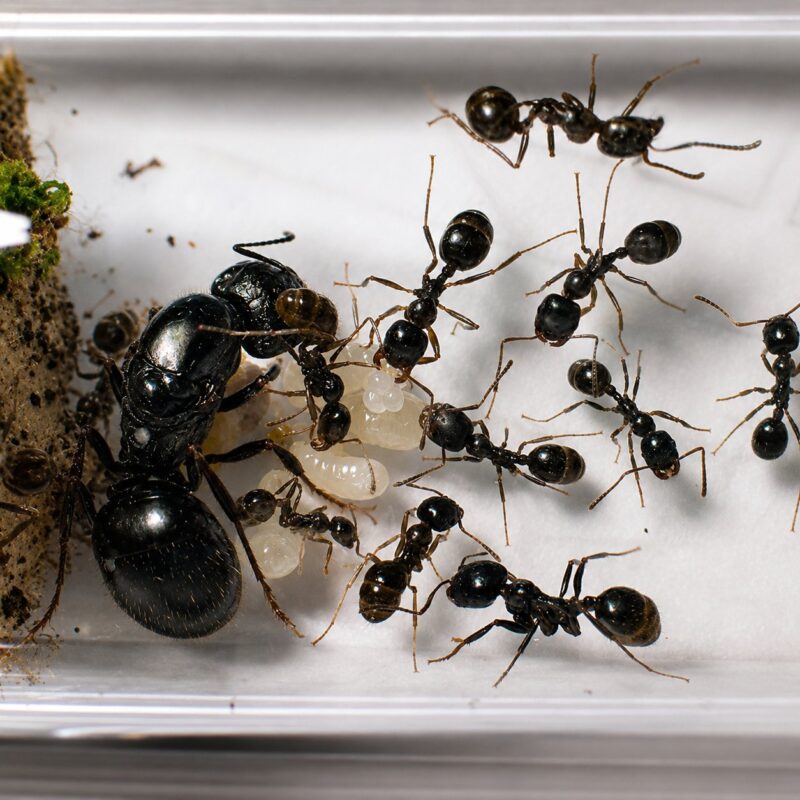
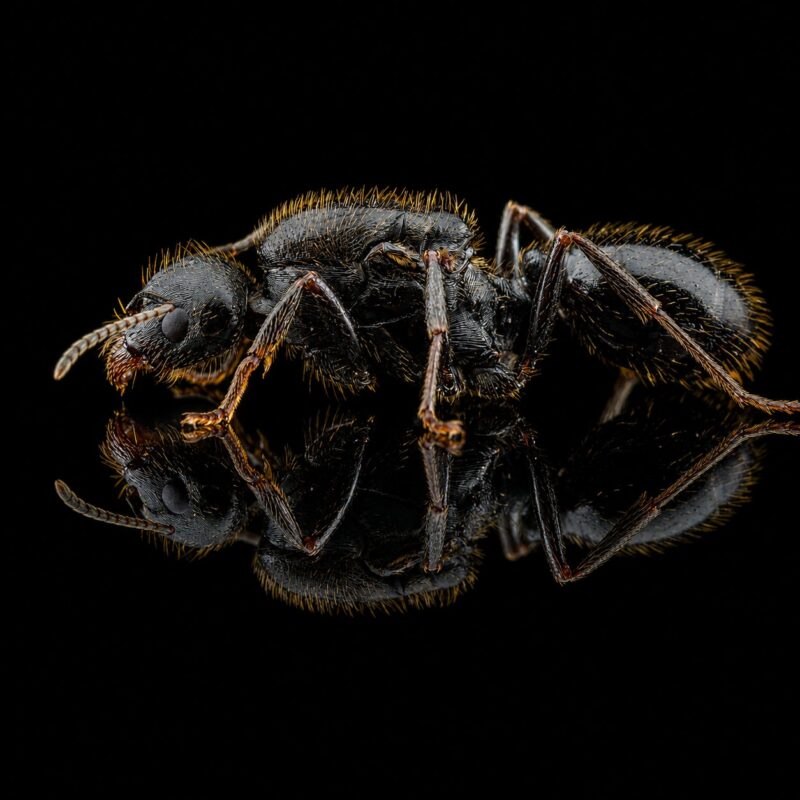
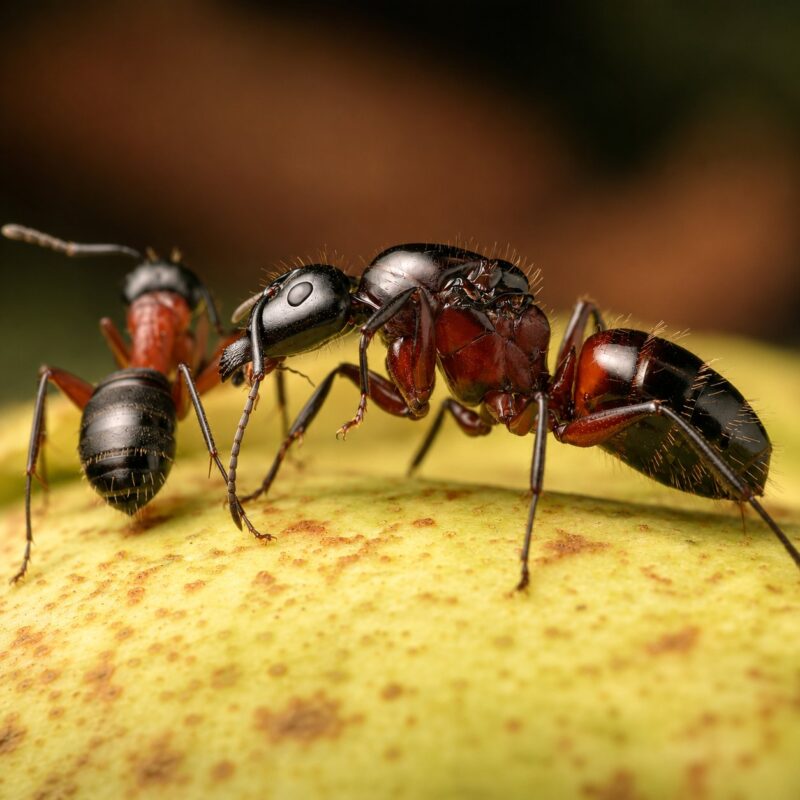
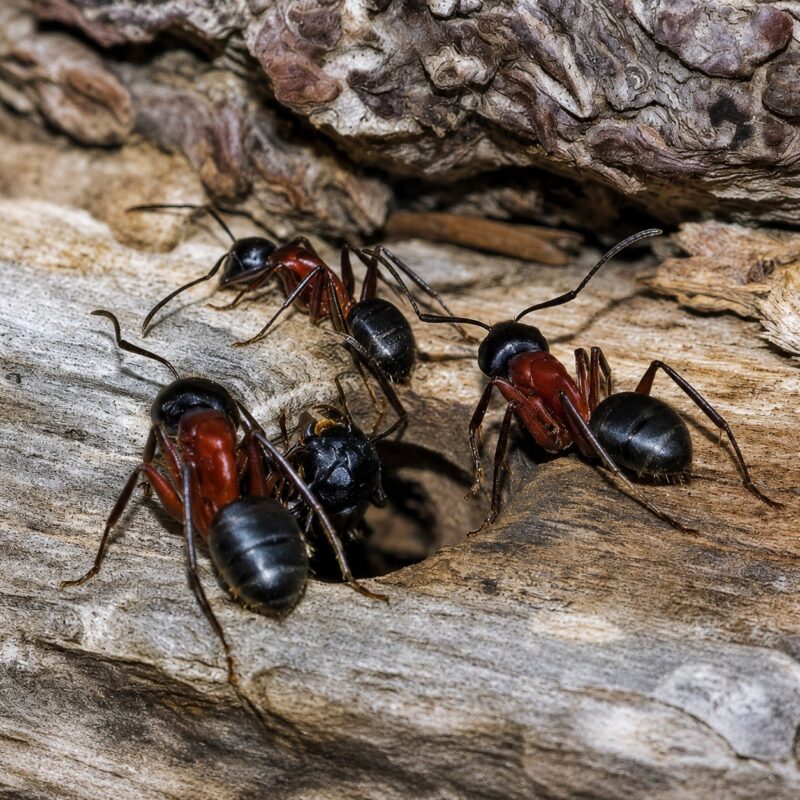
Paraponera clavata is the legendary bullet ant, a giant tropical ponerine with the most painful sting in the insect world, strictly for the expert keeper who respects what they are housing.
Why this species
This is the species that tops every sting chart, the bullet ant, named for a sting so severe it is likened to being shot. It is a giant rainforest ponerine, founds on a single queen and builds a substantial colony of deliberate, heavy-bodied hunters. There is no beginner version of this ant: the extreme sting, the semi-claustral founding and the very high humidity needs put it at the very top end of the hobby, for keepers with solid experience and a careful, hands-off routine. As a centrepiece predator, treated with the respect it demands, nothing else in ant keeping compares.
Feeding
A giant tropical predator that hunts live prey through the leaf litter and canopy and also gathers sugary nectar high in the trees. Insect prey builds the slow brood, while the colony takes nectar and sugars for energy.
| Live / fresh crickets | ★★★ |
| Cockroaches (Dubia / Turkish) | ★★★ |
| Fruit flies | ★★★ |
| Mealworms | ★★★ |
| Houseflies / moths | ★★★ |
| Sugar water / nectar | ★★ |
| Honey | ★★ |
| Boiled egg yolk | ★ |
| Soft fruit | ★ |
| Soft seeds (poppy, sesame) | ✗ |
| Hard seeds (canary, millet) | ✗ |
★★★ readily · ★★ moderately · ★ occasionally · ✗ not eaten
Housing & formicarium
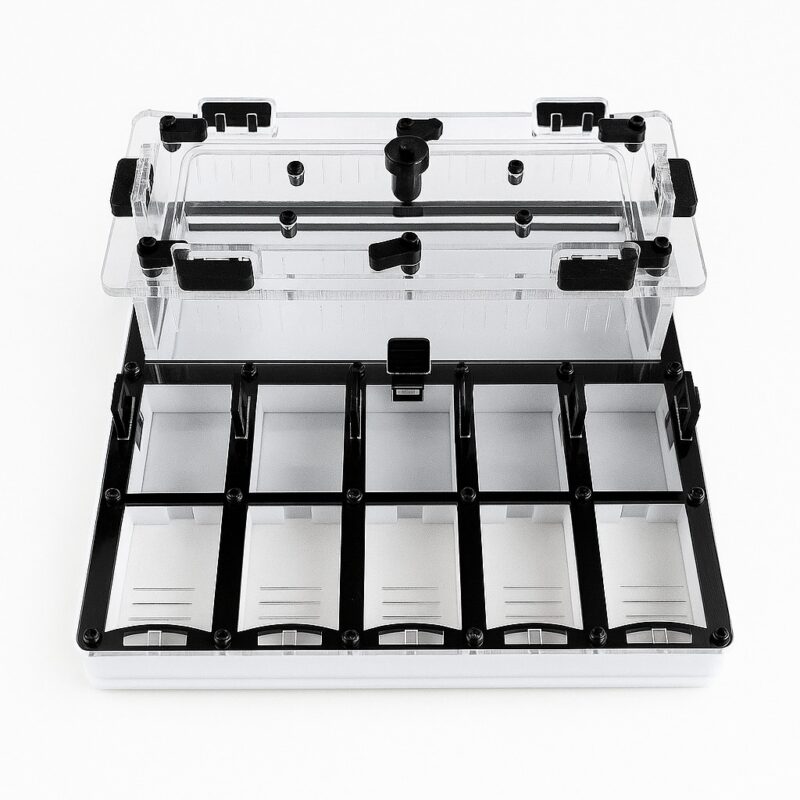
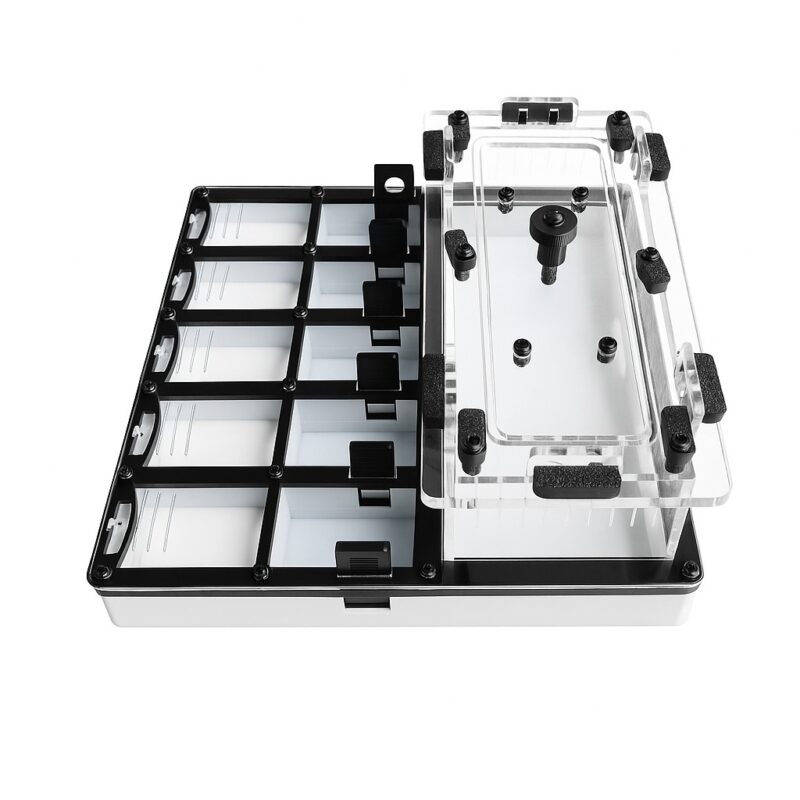
Founding is semi-claustral, so the queen must feed early: begin in a test tube setup or a compact ANTonTOP starter kit with feeding access. This rainforest giant demands very high humidity, so move it into a moisture-retaining, hydratable formicarium kept consistently damp, with deep chambers for such a large ant and a big, well-sealed hunting arena. Step up nest size as the colony grows toward 3,000 workers. Because of the potent sting the escape barrier must be flawless: fluon (PTFE) on smooth walls, or oil where PTFE will not hold, and the enclosure must stay sealed at all times. ANTonTOP formicaria and starter kits supply that secure, humid setup.
Climate & wintering
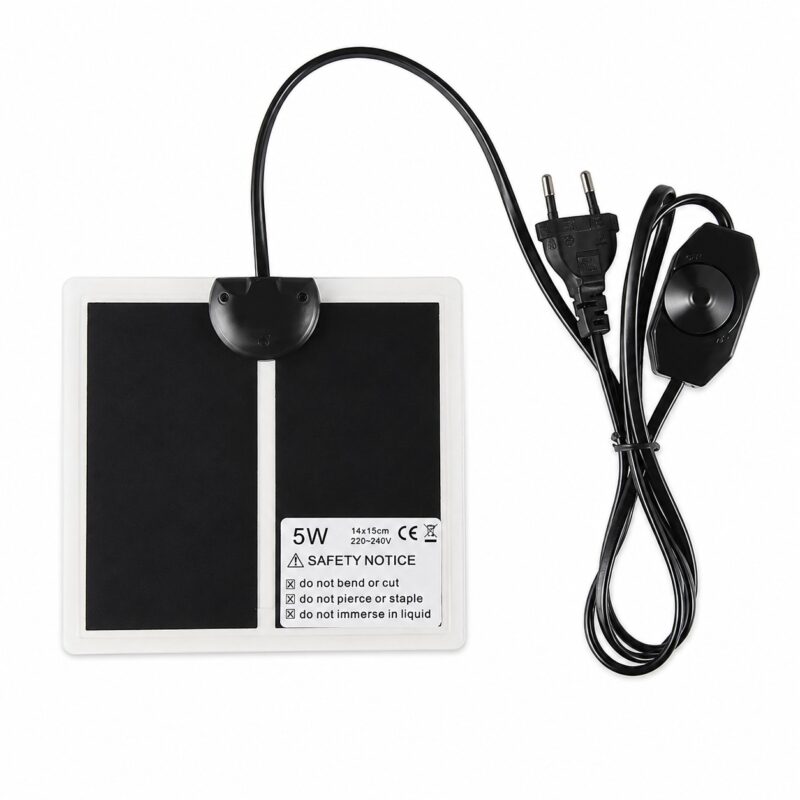
A rainforest giant that demands constant warmth and very high humidity. Keep the nest at 24-27 °C and the arena at 24-28 °C, with nest humidity right up at 75-90% and arena humidity 65-80%. Build a gentle gradient with a heat mat on one side and keep the nest consistently damp. It is tropical with no hibernation: keep it warm, very humid and fed all year.
Growth forecast + what you receive
This is a patient keeper’s ant. Brood development crawls along at roughly 24-26 weeks, about 6 months, and the colony reaches up to 3,000 workers only over a long timeframe. Settle in for the long view. You receive a queen with workers and brood, ready for a humid nest with feeding access from day one.
Did you know
- The bullet ant tops the Schmidt sting pain index at the highest rating, with a sting often compared to being shot, hence the name.
- The pain comes from a neurotoxin called poneratoxin, which can keep throbbing for many hours after a single sting.
- Some Amazonian communities use bullet ants in initiation ceremonies, in woven gloves the wearer must endure, a practice that has drawn wide scientific and ethnographic attention.
- It is among the largest ants kept by enthusiasts, with workers of 20-26 mm and a queen reaching 30 mm, and individuals can be remarkably long-lived.
Frequently asked questions
Is Paraponera clavata good for beginners?
No, it is a Pro/expert-only species with an extreme sting and demanding humidity, never a first colony.
Does the bullet ant need a winter rest?
No. It is tropical and active all year; keep it warm, very humid and fed.
How bad is the bullet ant’s sting?
It is the most painful sting known, rated Schmidt 4. Never handle it; keep the enclosure sealed.
How big can the colony get?
Up to 3,000 workers.
How big is the queen?
The queen is 26-30 mm and workers are 20-26 mm, a giant ant.
How quickly does a bullet ant colony build?
Very slowly; brood takes around 24-26 weeks (about 6 months) to develop.
What does the bullet ant feed on?
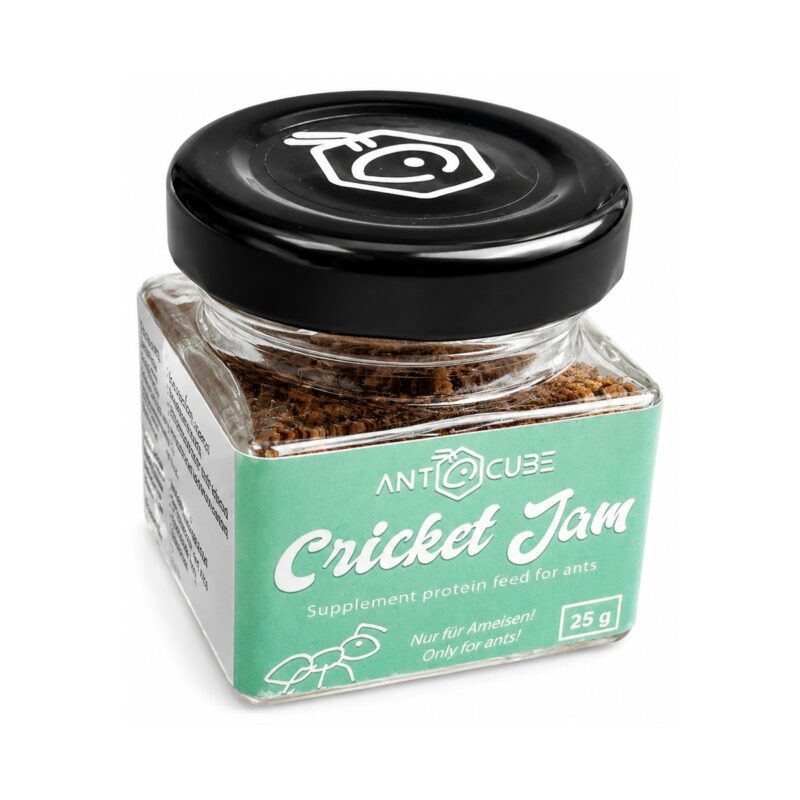
Mainly live insects such as crickets and flies, plus nectar or jelly for carbohydrates.
How is it shipped and will it arrive alive?
You get a queen with workers and brood plus a heat or cool pack, dispatched within 24 h with tracking to keep transit short and safe.
Keeping & shipping essentials
Escape prevention. Coat the inner rim of every open arena with fluon (PTFE), or use talc-and-water or an oil barrier as a backup, and keep a tight, fine-mesh lid on top. Check the barrier regularly, since dust, condensation and feeding debris break a fluon line over time. Keep tubing connectors tight and seal any gaps in the nest.
Keeping reminders. Always offer fresh water and never let the nest dry out completely. Give carbohydrates continuously and protein a few times a week, and remove uneaten insect prey within 24 hours before it moulds. Keep the formicarium out of direct sunlight and away from constant vibration, which stresses a young colony. A water-filled test tube plugged with cotton makes an ideal spare incubator whenever you need one.
Before you buy – do not rehouse too early. Have a test-tube setup or a small formicarium with an outworld and a working barrier ready before your colony arrives. A founding colony grows slowly at first, which is normal. Moving a small colony into a large nest too soon invites mould, mites and stress, and the workers die off one by one. Keep the colony in its open test tube on the arena, plug the nest entrance with cotton, and open up the next chambers only once the colony fills roughly 10-15% of the space.
What we ship. Every colony ships with a live-arrival guarantee, backed by our 24h unboxing-video guarantee: if the queen does not arrive alive, we reship free. Parcels travel with DHL, InPost (PL) or EMS, with a heat or cold pack to suit the season, packed discreetly and securely. We ship across the EU and worldwide, with free shipping over the Europe threshold.

Reviews
Clear filtersThere are no reviews yet.